Introduction
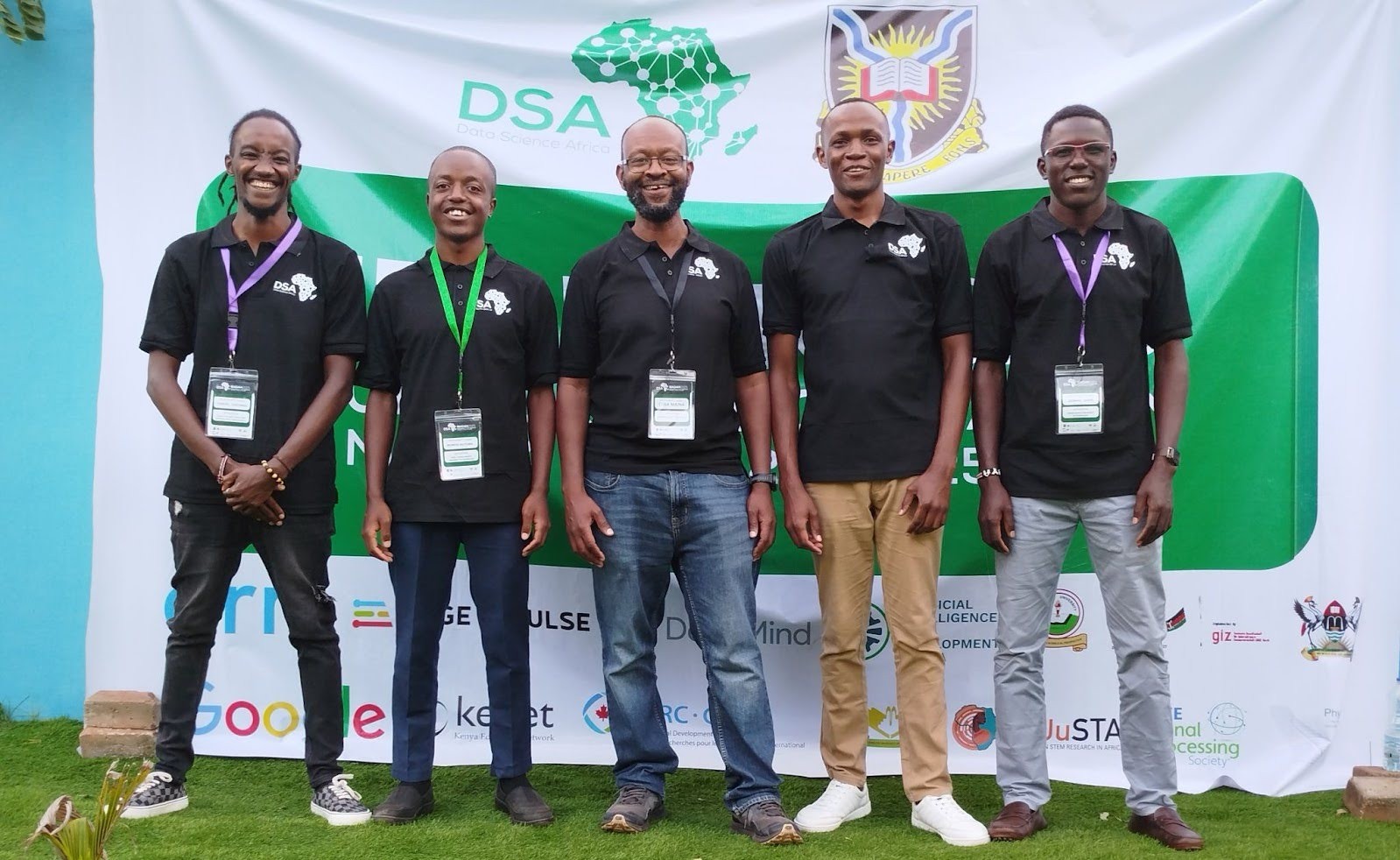
Data Science Africa (DSA) continues to be one of Africa's leading platforms for advancing data science and artificial intelligence through training, research, and collaboration. This year's Summer School and Workshop, held at Makerere University in Kampala, Uganda from July 20th to 24th, 2026 brought together more than 400 students, researchers, practitioners, and industry professionals from across the continent to exchange ideas on how AI is addressing local challenges and exploring its potential impact.
This year’s theme, "Foundational and Practical Data Science in the Age of Generative AI," shaped discussions throughout the week. From machine learning fundamentals to Generative AI, multimodal systems, Agentic AI, responsible AI, and African language technologies, the programme emphasized on building AI systems that are technically sound, practical, and responsive to African challenges. Rather than focusing solely on the rapid advancement of AI, the conference highlighted the importance of developing solutions grounded in local contexts, datasets, and communities.
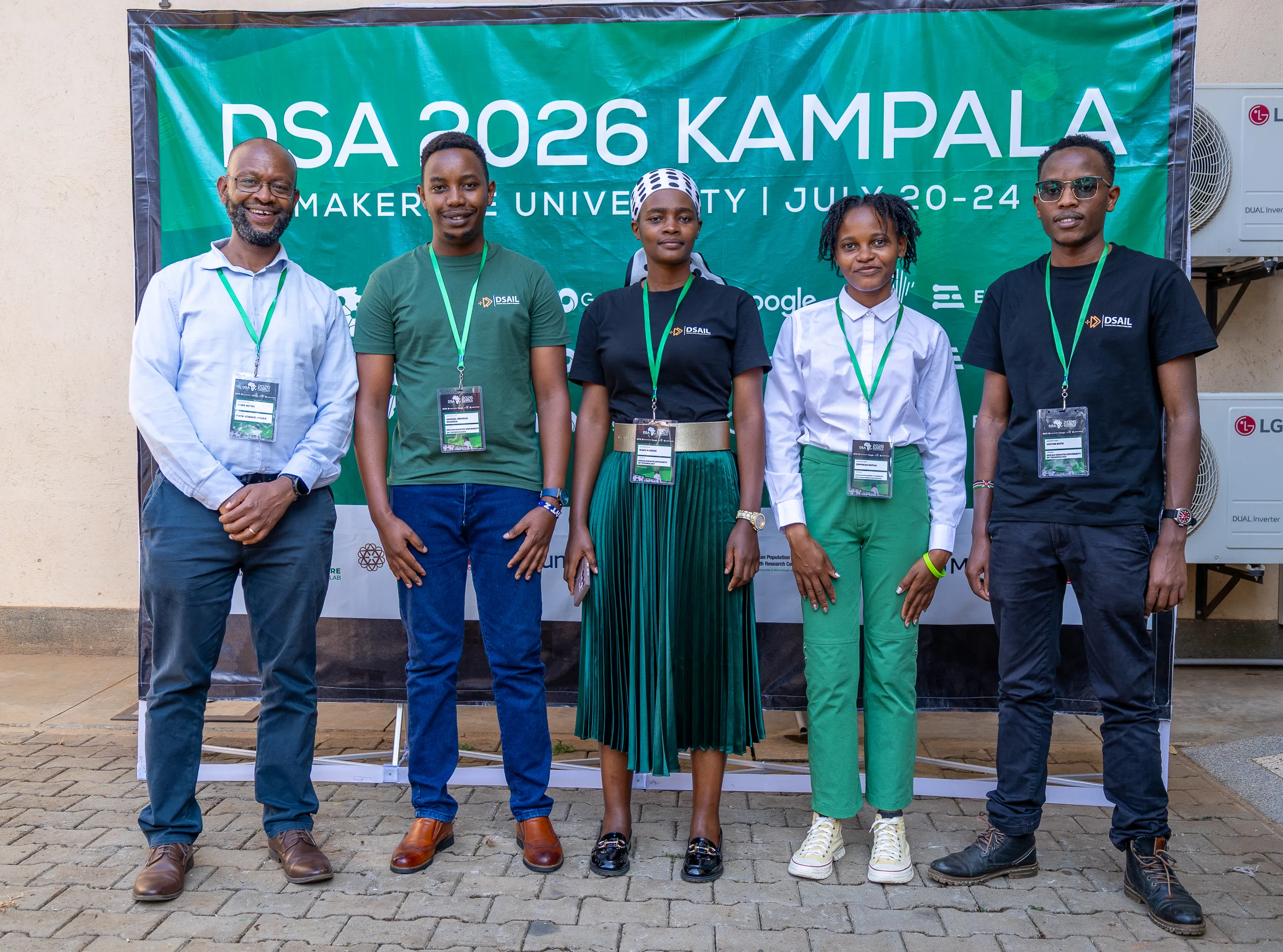
Being part of this year’s event, we participated in the Summer School where we showcased our research during the DSA lab showcase, presented a research paper during the workshop, and connected with researchers working across diverse fields of AI.
Building AI for African Challenges
The Summer school, taking the first three days (20-22 July) of the programme, combined lectures with hands-on practical sessions. We explored diverse topics including machine learning, Generative AI, multimodal AI, Agentic AI, AI on the Edge, African language technologies, explainable AI, and responsible AI. Rather than treating these as isolated topics, the programme demonstrated how they can be applied to real African challenges using local datasets and practical examples.
Among the sessions that stood out was Dr. Sekou L. Remy's keynote on Practical Generative AI Systems for Africa, which explored how foundation models can be adapted for African contexts while considering constraints such as limited computing resources and locally available data. Another memorable session by Dr. Andrew Katumba introduced participants to Agentic AI and Multi-Agent Systems, highlighting how AI is evolving beyond prompt-response interactions towards systems capable of planning, coordinating tasks, and supporting decision-making.
A recurring message throughout the Summer School was that Africa's opportunity lies not simply in adopting AI technologies but in developing solutions that respond to local needs in healthcare, agriculture, conservation, education, climate resilience, and language technologies.
DSAIL at the Lab Showcase
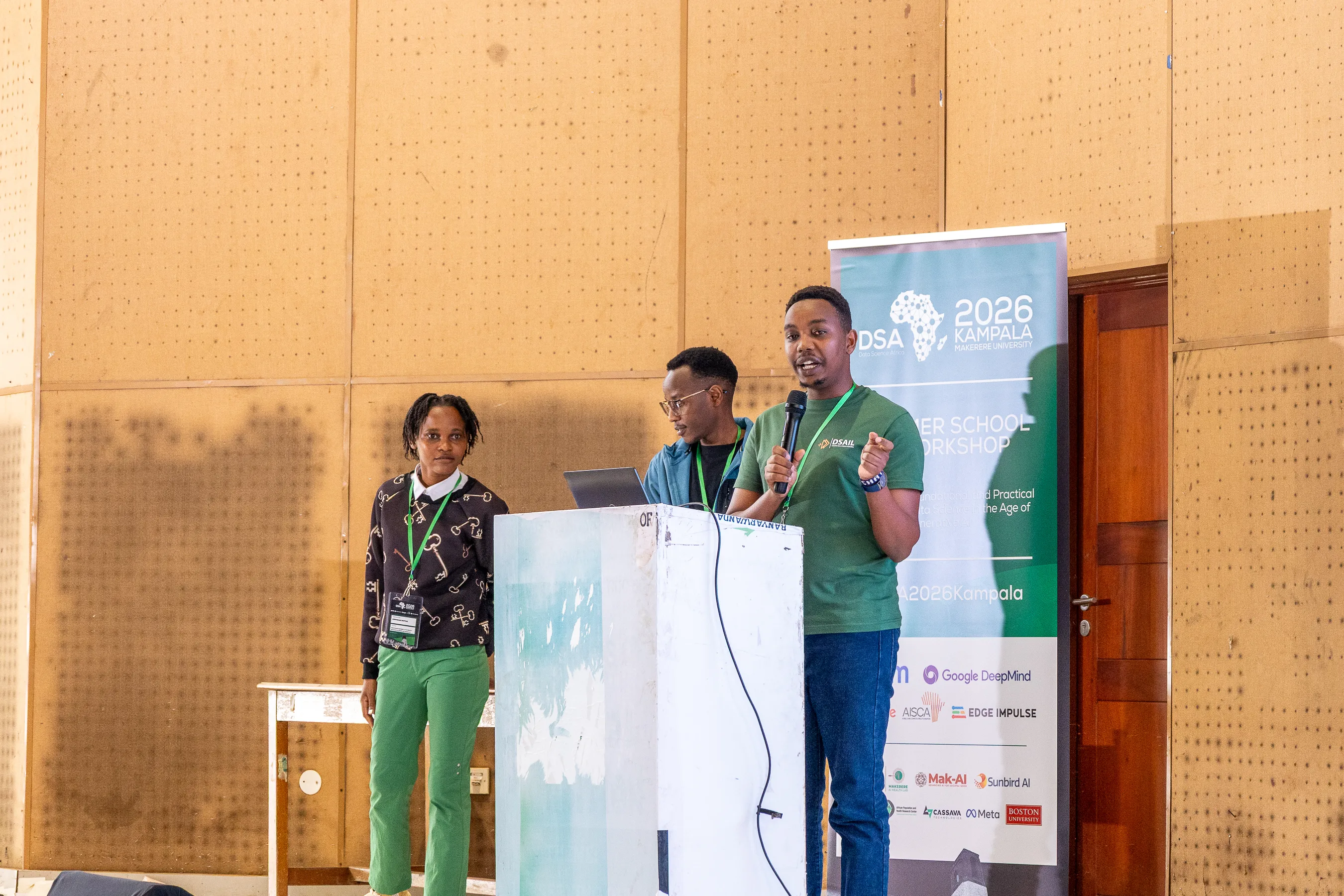
The DSA Lab Showcase provided an opportunity for research groups to share their ongoing work with other participants throughout the Summer School.
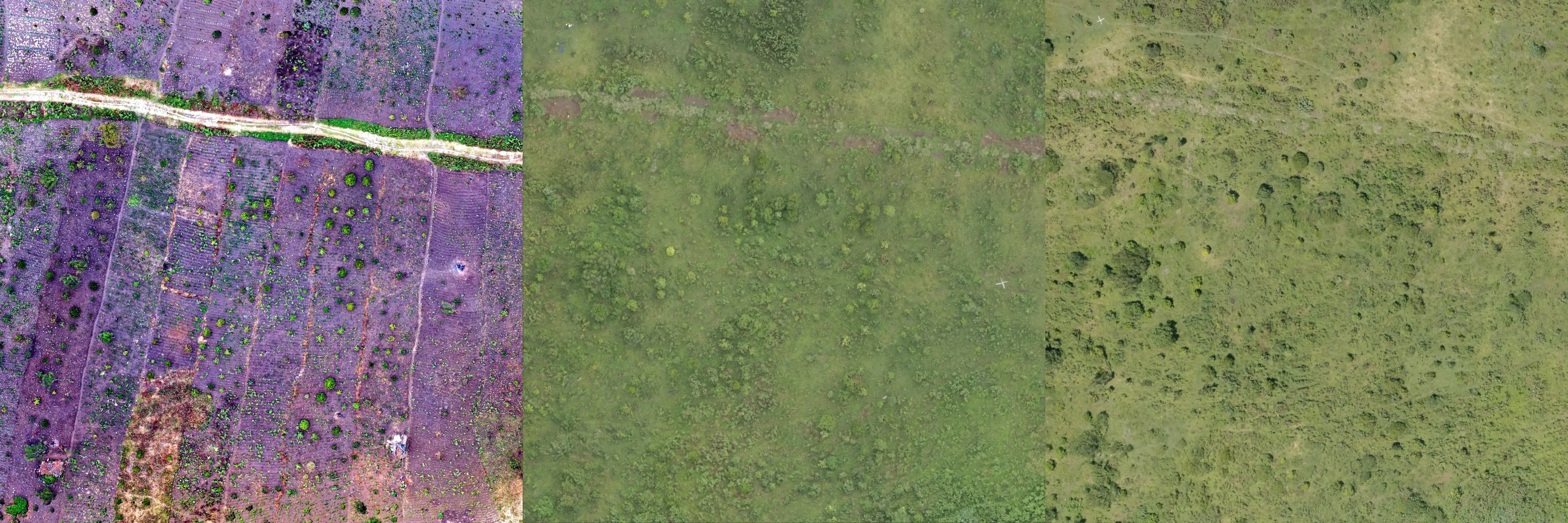
We presented our work spanning environmental monitoring, bioacoustics, biodiversity conservation, weather intelligence, health, robotics, and language technologies.
A key focus was demonstrating how AI and IoT can be deployed in real field settings to address key challenges in environmental monitoring. With traditional biodiversity monitoring often being limited by manual surveys that are time-consuming, expensive, and difficult to scale, it consequently derails conservation efforts. To address this, we demonstrated a piwild powered system that enables continuous monitoring through automated bird sound recognition, allowing species activity to be tracked over long periods with minimal human intervention.
Data is king; garbage in, garbage out. The essence of having well annotated data for downstream machine learning tasks can’t be understated in this time and age. In our presentation we demonstrated an AI-based rainfall quality control system designed to tackle the problem of noisy, incomplete, or unreliable weather station data, which can affect the accuracy of climate analysis and forecasting.
In addition, we showcased DSAIL-Annotate, a pipeline developed to address the bottleneck in processing large volumes of camera trap images by automatically filtering, organizing, and preparing wildlife data for analysis.
Taken together, these demonstrations illustrated how practical deployments of AI and IoT can help overcome data collection and processing challenges in environmental and conservation work, enabling more scalable and reliable monitoring in real-world African contexts.
Research, Innovation, and Collaboration
The final two days (23-24 July) shifted to the DSA Workshop, where researchers presented work addressing challenges in environmental monitoring, health, agriculture, robotics, language technologies, and climate science.
A keynote by Dr. John Quinn and Dr. Ernest Mwebaze from Sunbird AI explored the growing field of African Language Models and the importance of building AI systems that better support the continent's linguistic diversity.
Across the paper presentations and poster sessions, a common thread emerged: meaningful AI innovation depends on locally relevant data, interdisciplinary collaboration, and practical deployment.
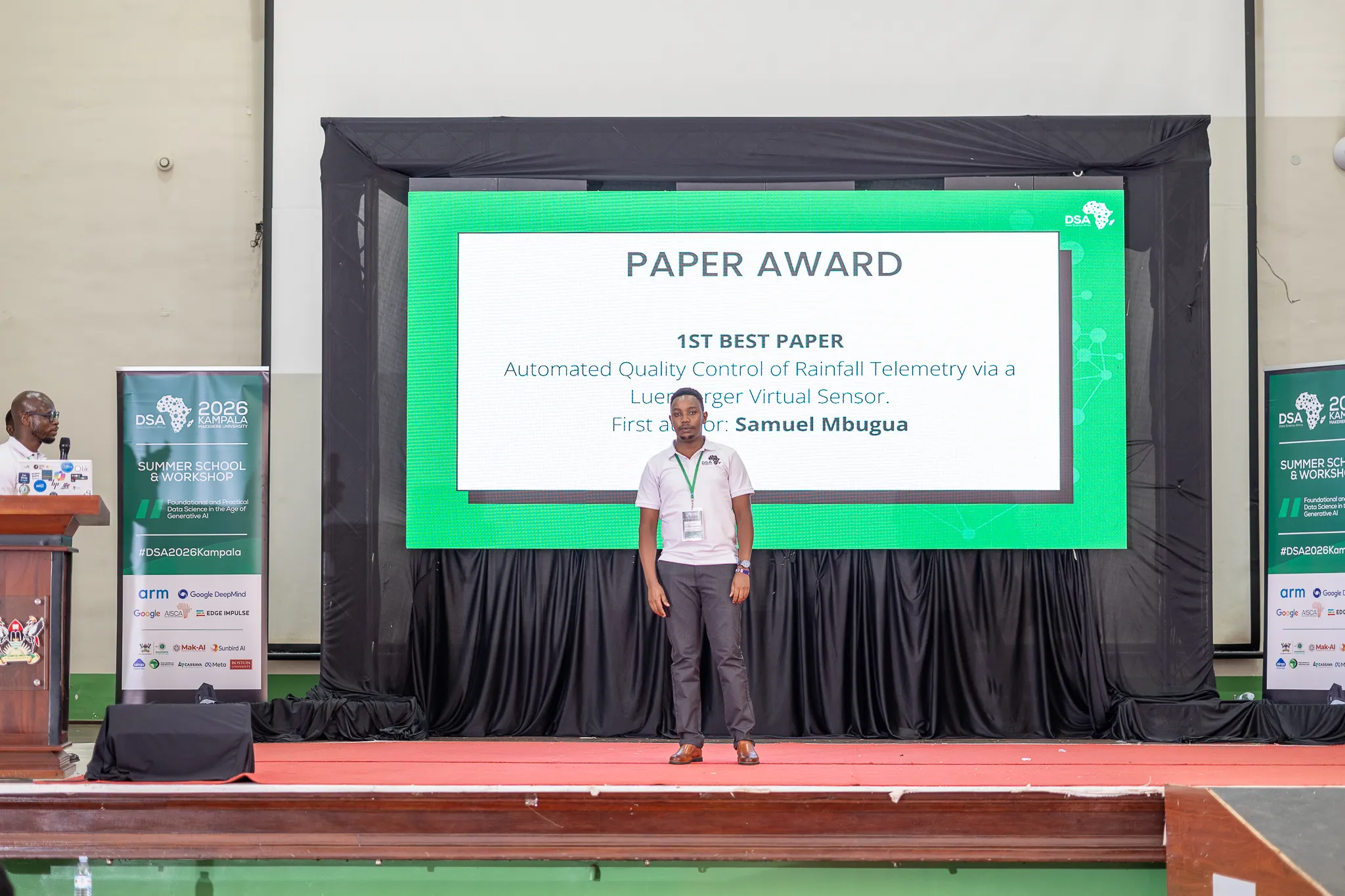
Samuel Mbugua from our lab presented our research on Automated quality control of rainfall telemetry via a Luenberger virtual sensor. We are proud that this work received the Best Paper Award, recognizing its contribution to improving environmental sensing and weather monitoring.
Learning Beyond the Lecture Hall
One of the strengths of Data Science Africa is that learning extends beyond the scheduled sessions.
The DSAIL team visited the MakAI Lab, where we learned about ongoing AI research and student-led innovation at Makerere University. We also visited AirQo, gaining insight into how low-cost air quality sensors, cloud infrastructure, and machine learning are being used to monitor air pollution and support evidence-based decision-making across African cities..
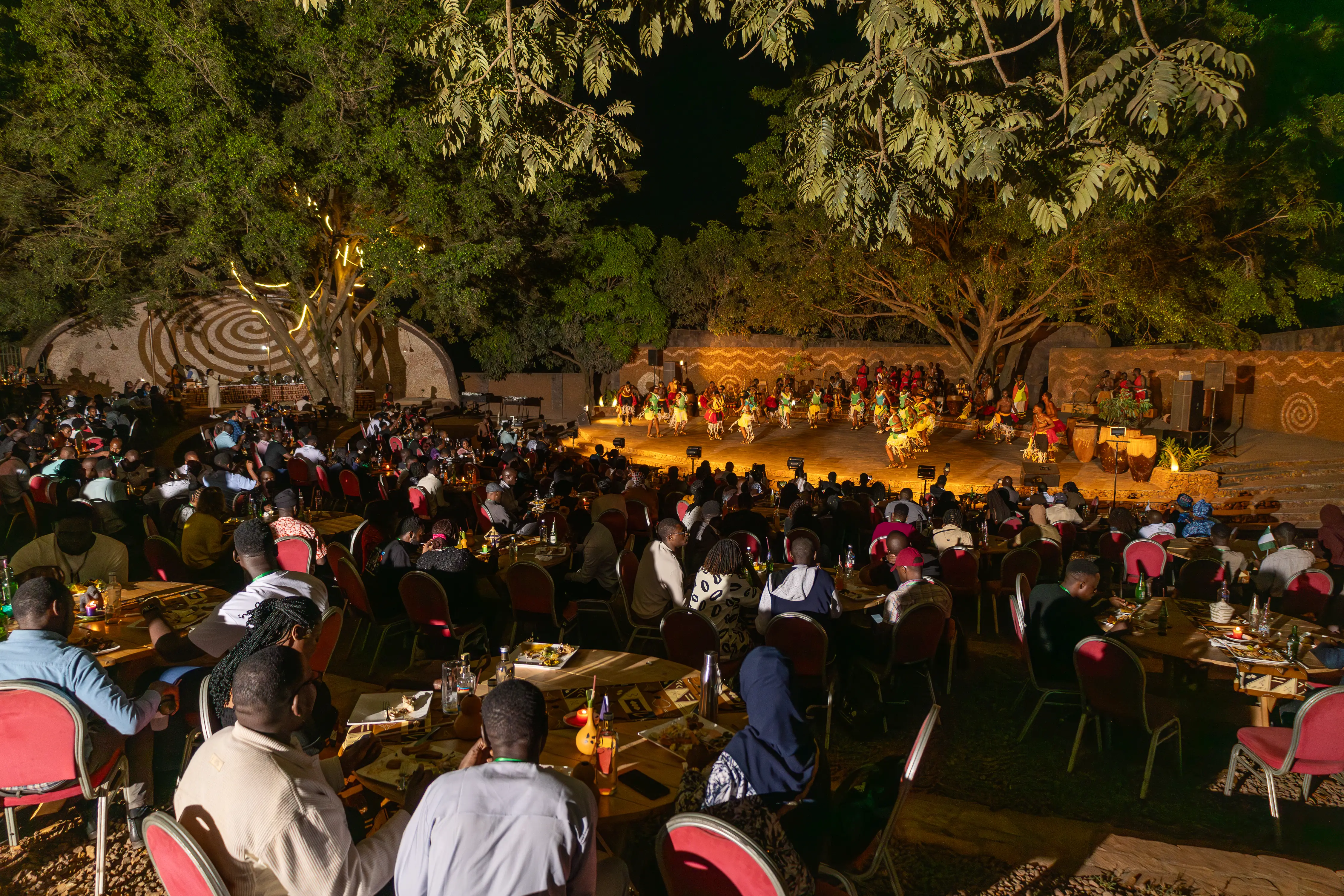
Beyond the technical programme, we experienced Uganda's rich cultural heritage during an evening at the Ndere Cultural Centre. Through music, dance, and storytelling, the performances celebrated the country's cultural diversity and provided an opportunity for participants from different countries to connect outside the conference setting.
These experiences reminded us that conferences are not only about exchanging research, they are also about building relationships, understanding different perspectives, and strengthening the community that drives African science forward.
Team Reflections
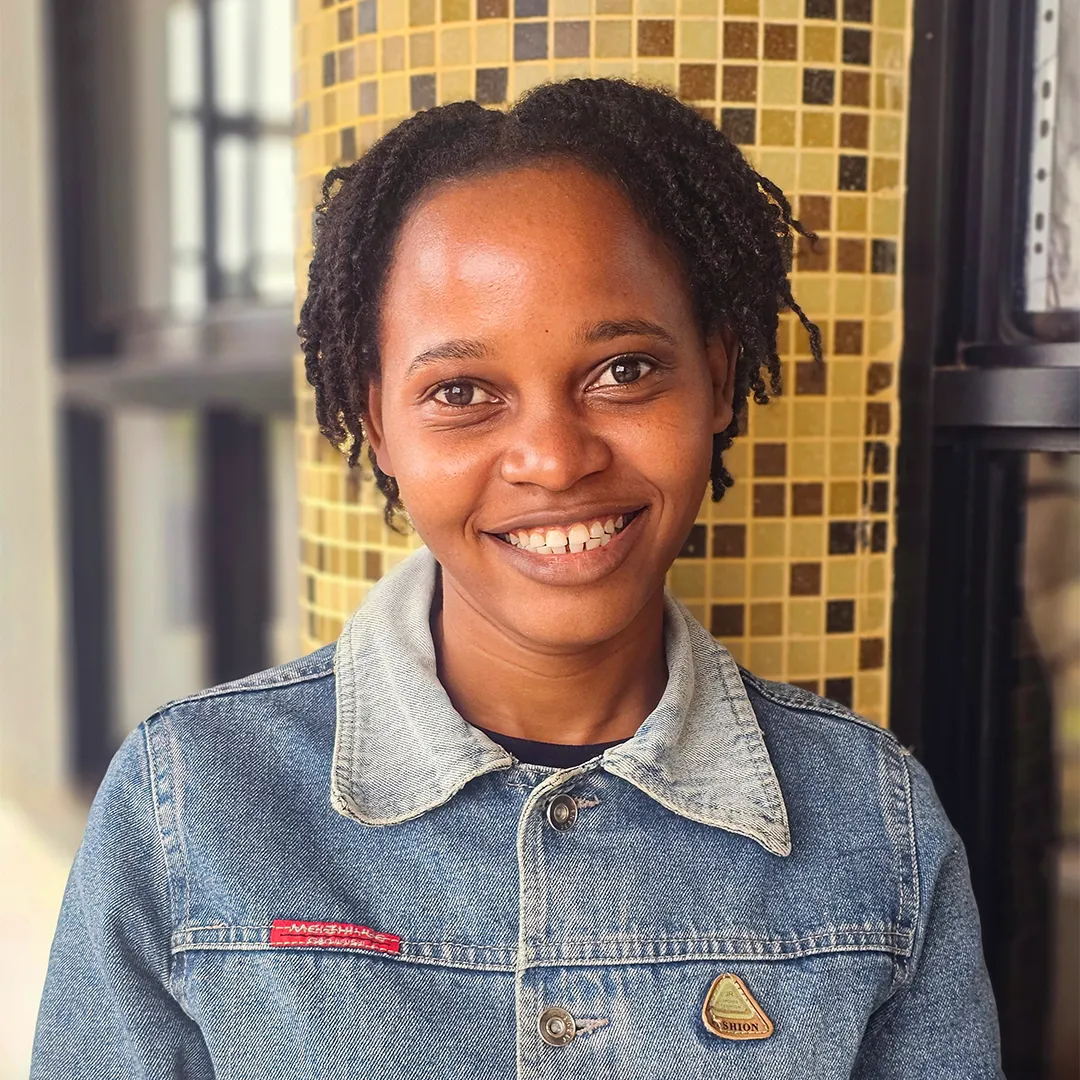
Zipporah Mutua
"There is an African saying: 'Whoever stays with her mother says that her mother is the only cook.' DSA 2026 reminded me of the value of stepping beyond familiar spaces. Learning from researchers across Africa broadened my perspective and inspired me to think bigger about the future of AI on our continent."
Victor Ruto
"A single bracelet does not jingle." DSA 2026 was a great reminder that tackling our complex challenges with AI takes a connected community. Trading insights with fellow researchers from across Africa sparked fresh ideas and reaffirmed that meaningful impact comes from collaboration, shared knowledge and experiences, and diverse perspectives.
Samuel Mbugua
“In the field of observation, chance favours only the prepared mind.” Data science is ultimately about finding meaning in the unknown, much like uncovering an insightful anomaly in a complex dataset. Presenting my work at Makerere University during DSA 2026 taught me that breakthroughs happen when you least expect them. Winning the First Paper Award was a beautiful surprise, mirrored only by the warmth and rich culture of Uganda that fueled our community's journey.
Mary Kariuki
“Wisdom is like a baobab tree, no one individual can embrace it.” Knowledge is too vast to be held by one person, it grows through collective effort. At DSA 2026, this was evident in how communities, researchers, and industry practitioners came together, each contributing unique perspectives and experiences. In the context of low-resource languages, this collaboration is essential, as no single dataset, model, or individual can fully capture the richness of a language. Instead, progress comes from shared effort, where each contribution adds to a larger, evolving body of knowledge.
Looking Ahead
Data Science Africa 2026 reinforced the importance of collaboration, open knowledge sharing, and research that addresses real challenges facing African communities.
For DSAIL, the experience provided new ideas, valuable feedback, and opportunities to connect with researchers across the continent. We return with renewed motivation to continue developing AI solutions for environmental monitoring, conservation, weather intelligence, and other challenges where technology can make a meaningful impact.
We thank the Data Science Africa organizing committee, Makerere University, the speakers, instructors, volunteers, and every participant who contributed to making this year's Summer School and Workshop a success. We also congratulate all researchers whose work was presented throughout the event and look forward to continuing these conversations in future editions of Data Science Africa.