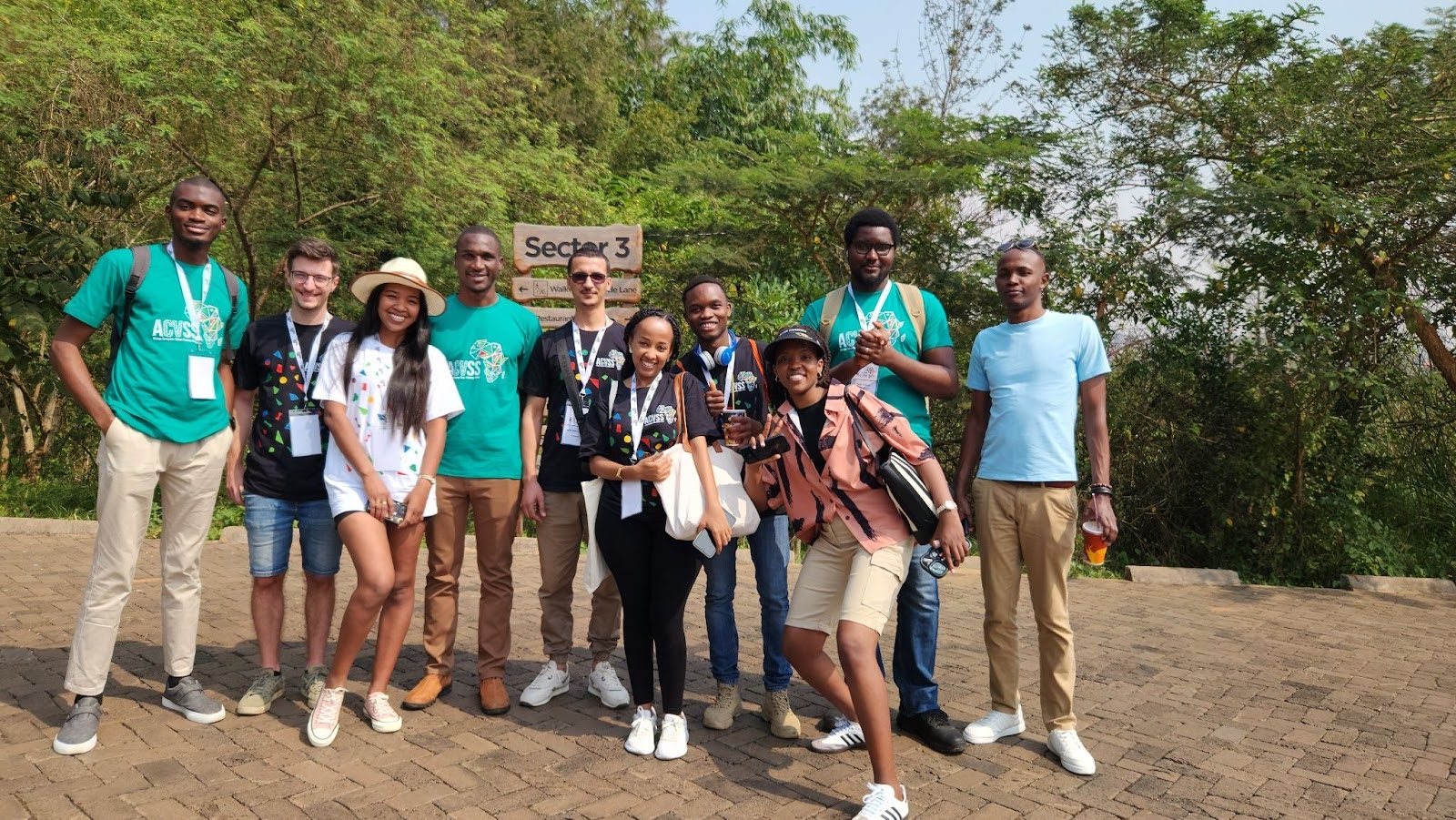
A Summer School that refused to stay indoors
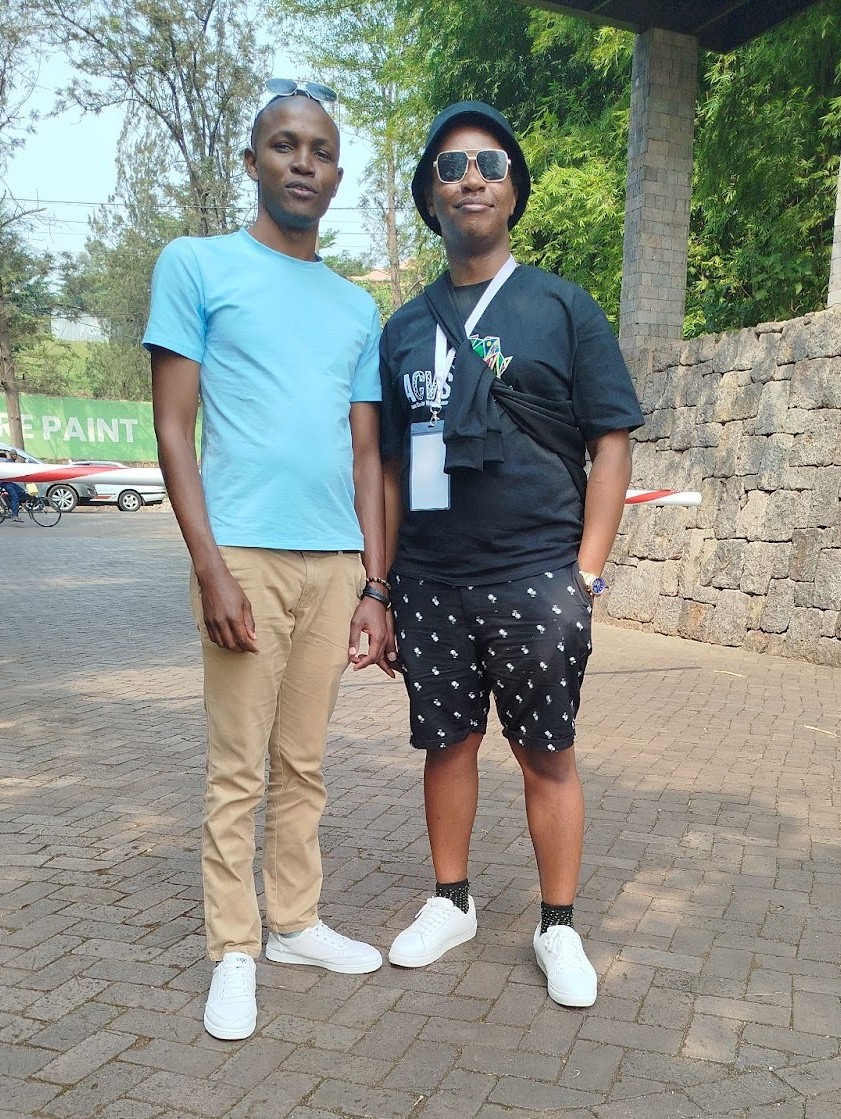
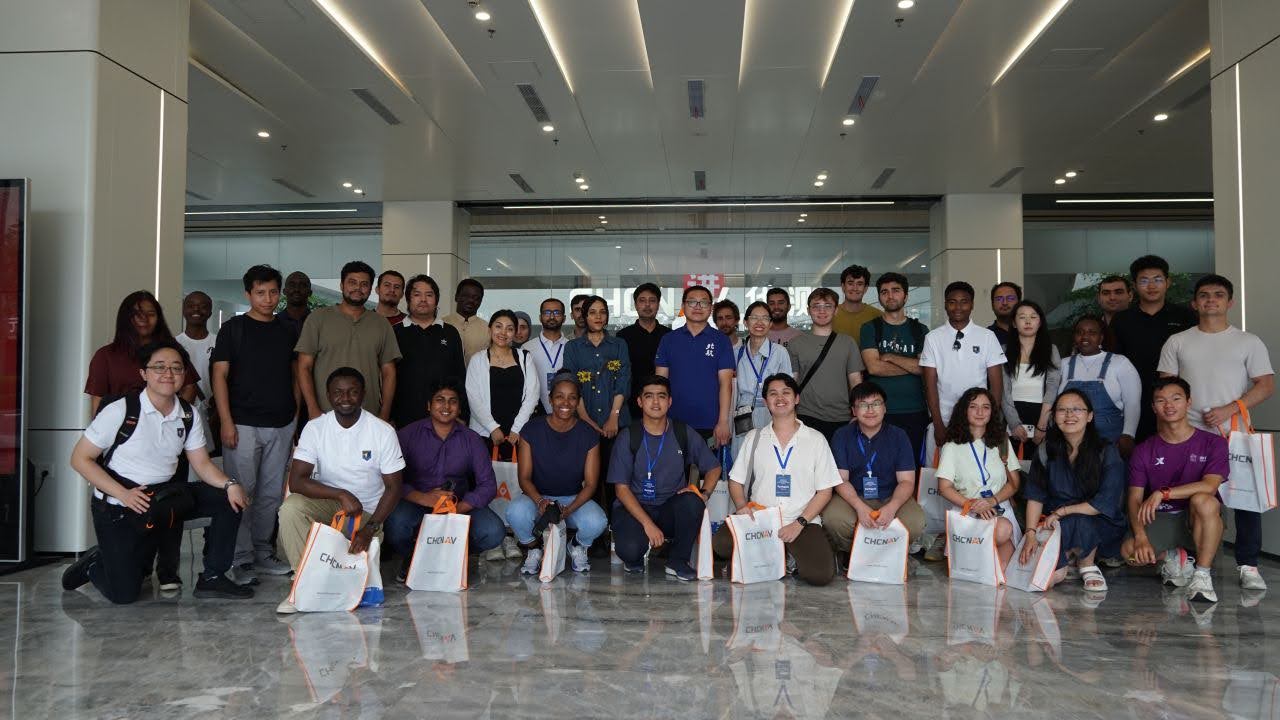
From July 13 to July 23, 2025, I joined the African Computer Vision Summer School (ACVSS) — a ten-day fusion of theory, creativity, and the kind of questions that linger long after the laptops close. What began as a technical summer school became a cross-continental dialogue on what intelligence means — in machines, in nature, and in us.
Learning at the Edge
The lectures at DSAIL felt less like classes and more like controlled explosions of insight — every day detonating some old assumption about what intelligence means.
Martin R. Oswald opened the week with the kind of quiet brilliance that recalibrates your brain. His deep dive into RANSAC wasn’t just a tutorial on fitting models in noisy data; it was a metaphor for life in AI — how meaning emerges by rejecting outliers, how clarity survives chaos.
Before we’d recovered, Anurag Arnab swept us into the evolution of deep networks, tracing how perception itself has been re-engineered over the past decade. He spoke of architectures not as static diagrams but as living organisms — growing, pruning, adapting — each layer a nervous system for machines learning to see.
Then came Sara Beery, who flipped the script entirely. She showed us AI not as a digital toy but as an ecological ally — detecting bird-window collisions, tracking wildfire recovery, probing trust in models where biodiversity depends on accuracy. In her world, “training data” had wings, leaves, and consequences.
Daniel Cremers brought the conversation back to geometry — but geometry as revelation. He unfolded SLAM and 3D reconstruction like a story about perception itself: how robots map their worlds, the way hikers build memory, one visual clue at a time. Suddenly, math looked like survival.
By the time Hazel Doughty took the stage, we’d been thinking in space for days — she made us think in time. Her work on video-text retrieval and action anticipation reminded us that intelligence isn’t recognition, its prediction; knowing what happens next is the essence of understanding.
Vicky Kalogeiton followed with diffusion models — those alchemists of modern AI — explaining how the universe of noise learns to reverse itself into form. Watching her unroll the math was like watching entropy run backward, chaos reorganizing into beauty.
And finally, Vincent Sitzmann and Desmond Elliott brought the conversation full circle. Sitzmann argued that true vision demands geometry — that robots must learn to inhabit space, not just perceive it. Elliott built on that, showing how grounding language in vision can make machines less brittle, more context-aware — and maybe a little more human.
By the end of the week, the common thread was unmistakable: the next frontier in AI isn’t bigger models, it’s deeper grounding. Seeing, understanding, predicting, aligning — the lectures at ACVSS 2025 weren’t just about systems that compute, but systems that comprehend.
On Self-Determination Ethics
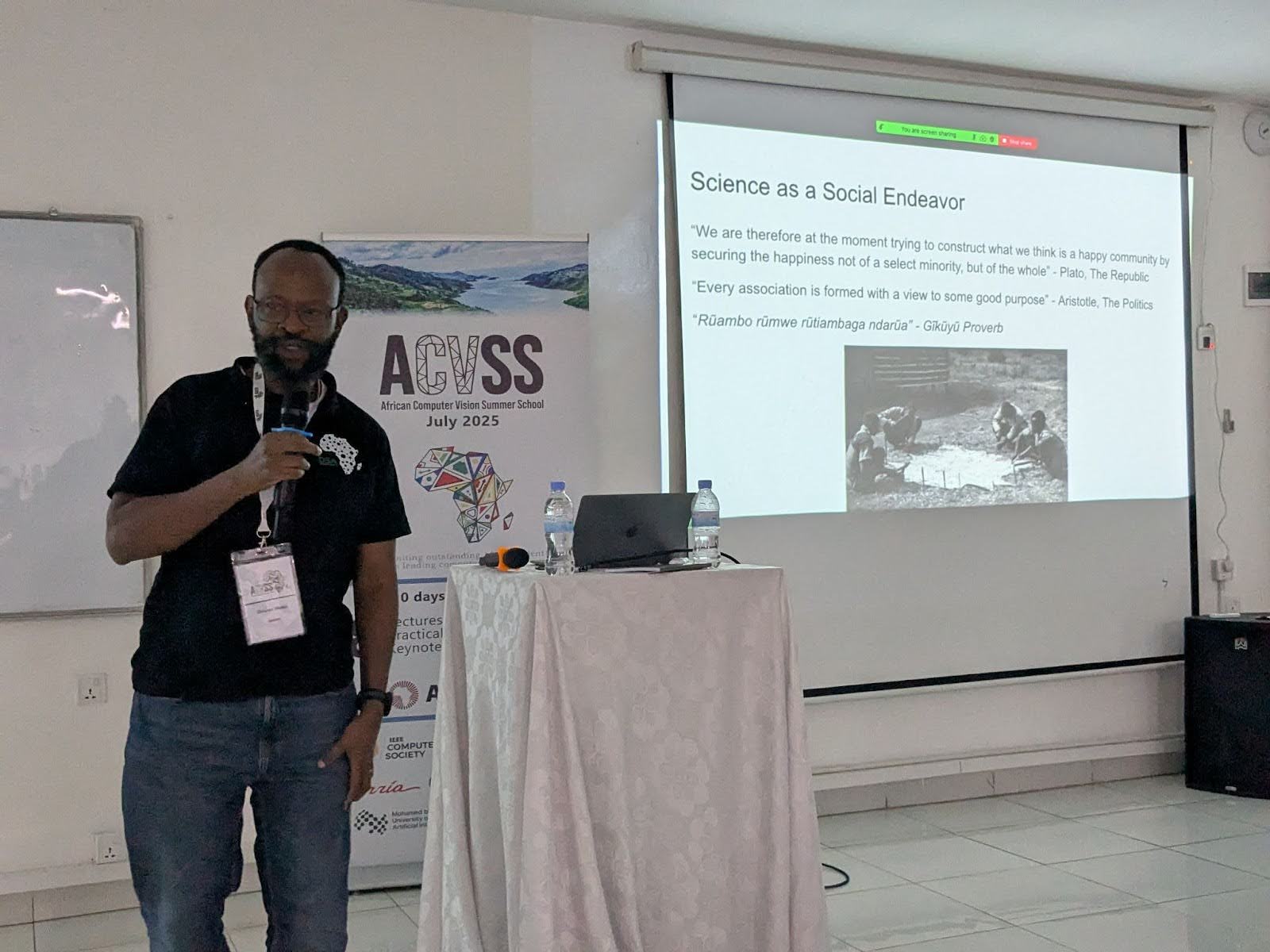
Not every lecture was about lines of code. Some were about lines we shouldn't cross. Prof. Ciira wa Maina spoke about Africa’s intellectual renaissance, describing collaboration as an engine for scientific self-determination. Then Timnit Gebru and Miceli M. took us deeper — into the uncomfortable, necessary terrain of ethics, extraction, and bias. They reminded us that every dataset is a mirror, and we must decide what it reflects.
Outings
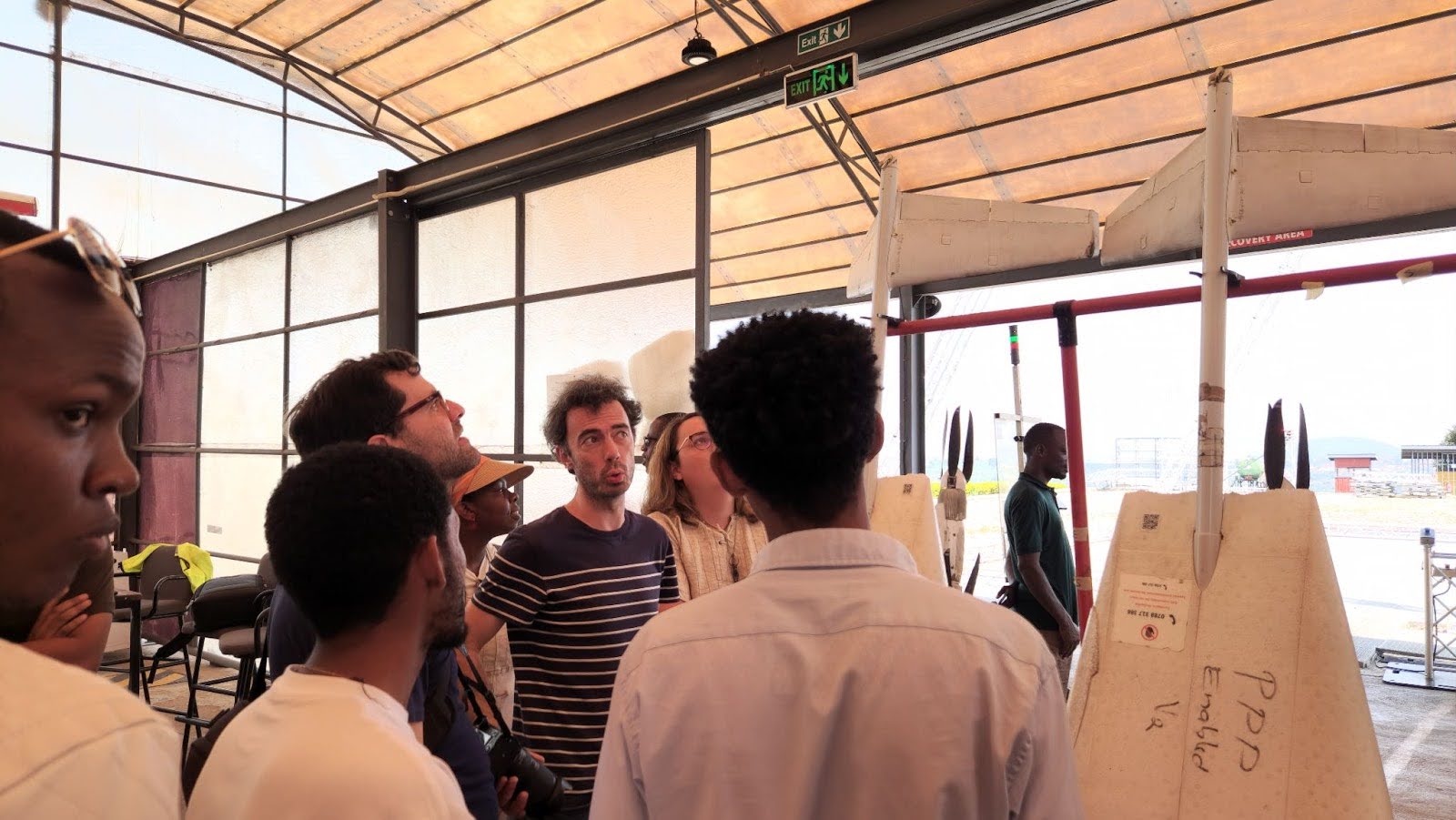
Midway through, ACVSS spilled into the world — literally. At Nyandungu Eco Park, we joined a birdwatching tour guided by biologists. But for many of us, it was also a live data lesson. We saw how machine perception could complement ecological understanding — how the same algorithms that detect cars could one day protect species. Later, at Zipline Rwanda, drones zipped through the air delivering medical supplies with surgical precision. What we saw wasn’t just robotics — it was automation with empathy, an elegant proof that AI can save lives when purpose leads design.
The Hackathon: Machines That Cross Roads
The final three days were a sprint through caffeine, chaos, and creativity.
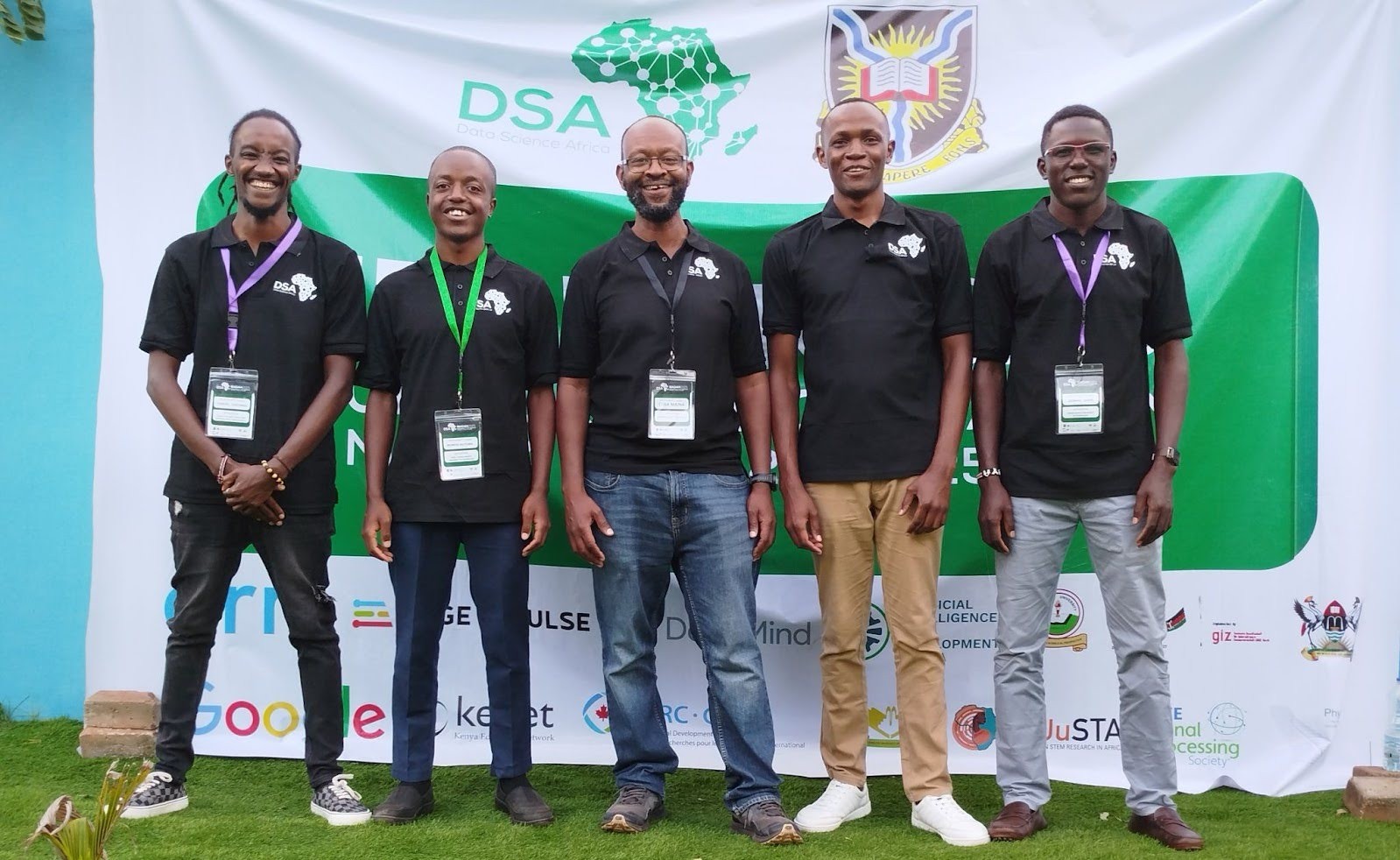
Our team — Stefano Berti, Melat Desta, Kibremoges (Kaby), Joel Adebayo, and I — built a project called “Dynamic Scene Understanding for Safe Crossing.”
We fused 3D reconstruction, video understanding, and multimodal learning to help robots (and maybe humans) cross roads safely. It was ambitious, messy, and electric — the kind of project that turns a classroom into a cockpit.
When the dust settled, our prototype worked — and we won first place out of six teams, along with $400 and a hefty dose of pride.
Final Thoughts
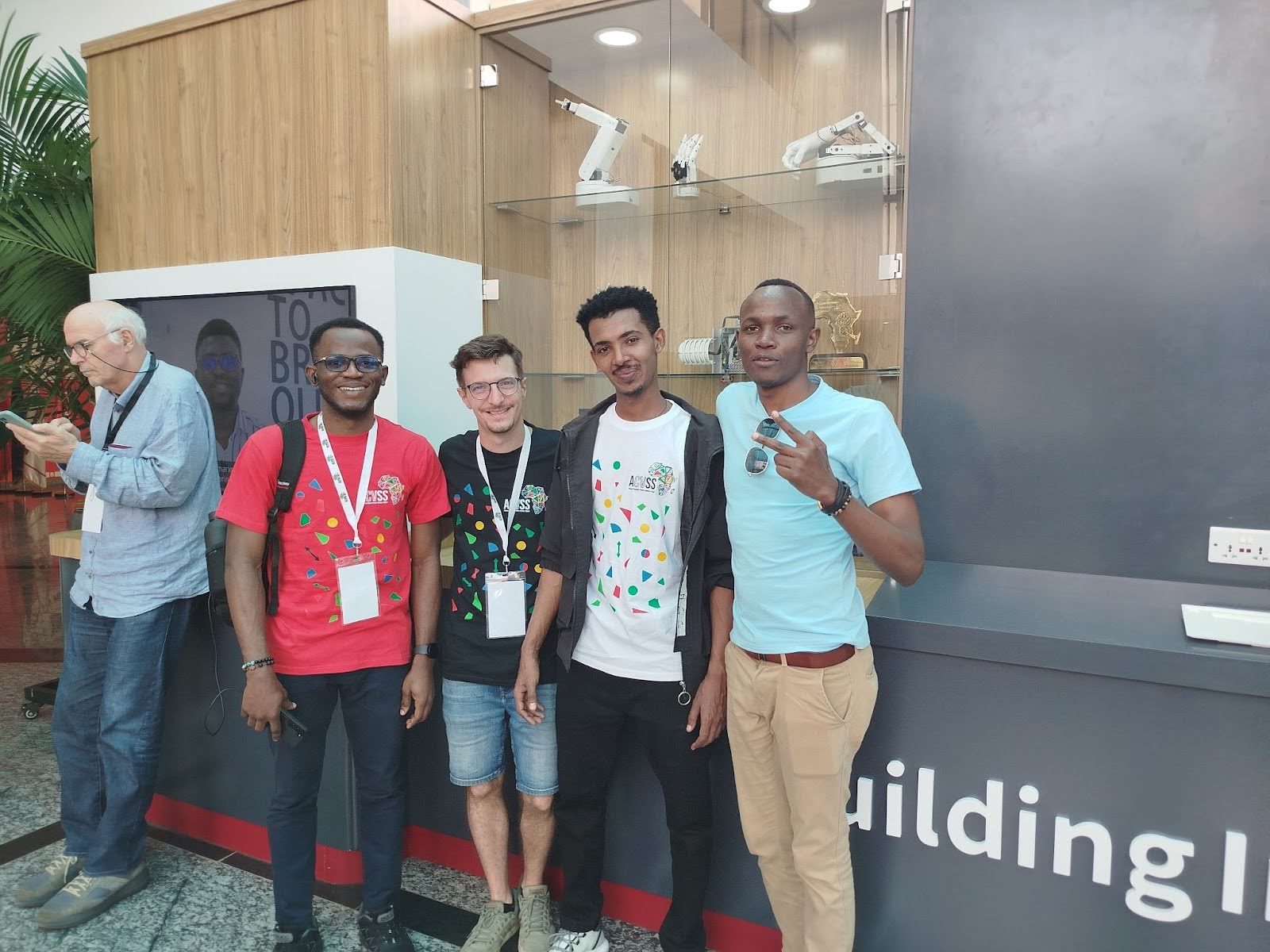
ACVSS 2025 was more than a summer school. It was a living demonstration of intelligence in motion — stretching from math to meaning, from code to community.
It showed that the future of AI in Africa won’t just be defined by who builds the most powerful models — but by who asks the most courageous questions.
As I left Kigali, I wasn’t thinking about the next dataset or experiment. I was thinking about purpose — the silent algorithm that should underlie all the rest.