Introduction
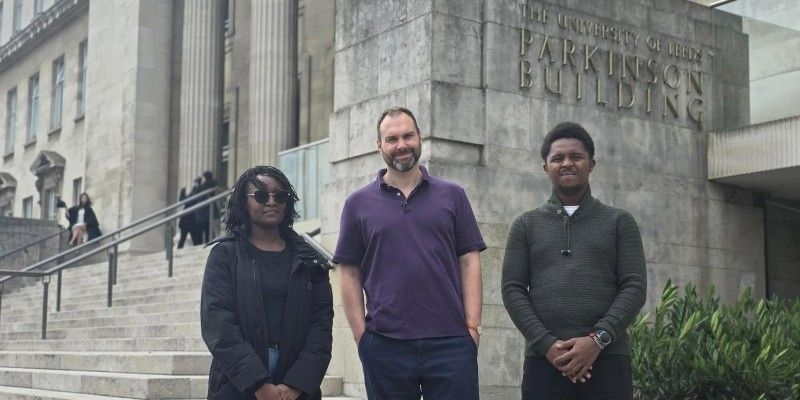
From 21 July to 3 August 2025, I had the humbling privilege of representing Kenya at the Space Summer Camp 2025 in Hangzhou. I travelled with Peter Ndiritu Thuku (researcher, RSRG DeKUT) and Mr. Kenneth Kanda (Deputy ICT Director, Kenya Space Agency), and attended as a Research Intern at DSAIL, DeKUT. The programme — co‑hosted by Beihang University and STAR.VISION Aerospace Group and supported by the Kenya Space Agency — grew from the SpaceBorne AI Rideshare Algorithm project, where my team, GEO Innovators, placed third with a land‑use/land‑cover (LULC) AI algorithm.
In this blog, I share what stood out: the social interactions, the practical skills, and how this experience sharpened my own research on edge AI for environmental conservation.
A place to learn: Beihang and the Hangzhou campus
Beihang University’s Hangzhou campus hosted a series of focused sessions that balanced theory and hands-on work. We explored orbit determination techniques, space systems fundamentals, and project management frameworks tailored for aerospace applications. These lessons were practical and broadly applicable — valuable not only in space science but in any complex, collaborative project.
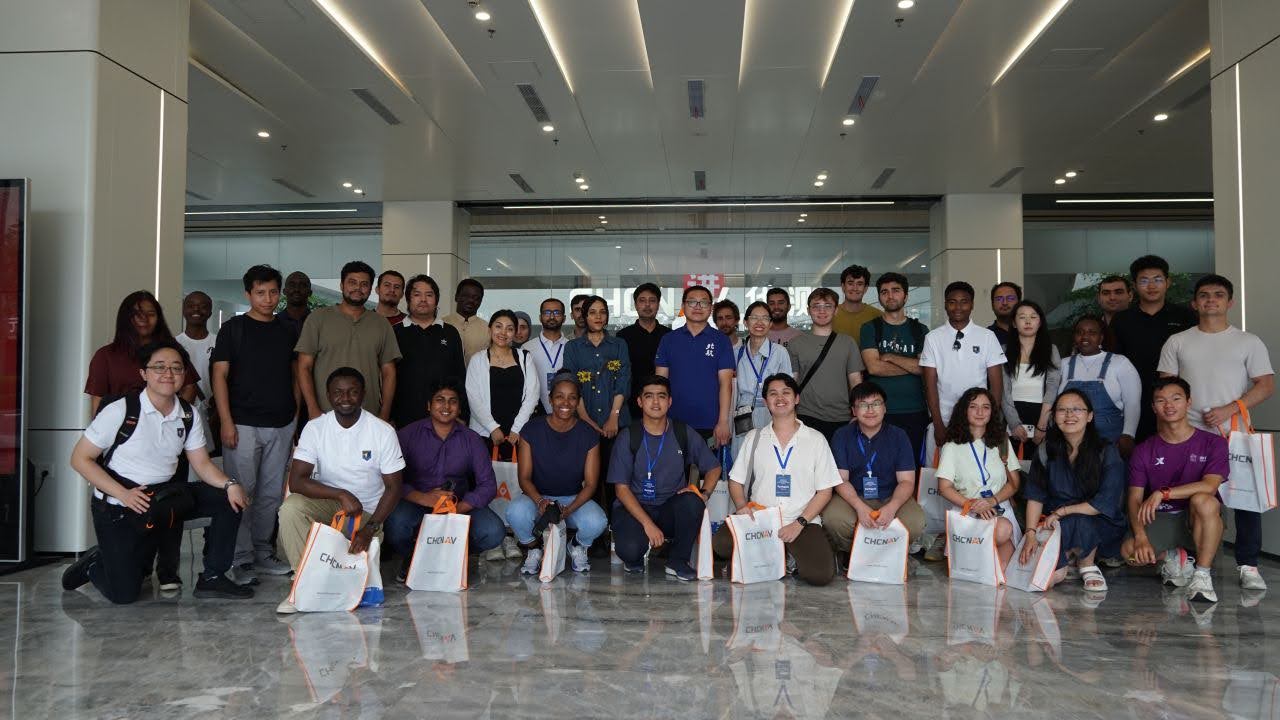
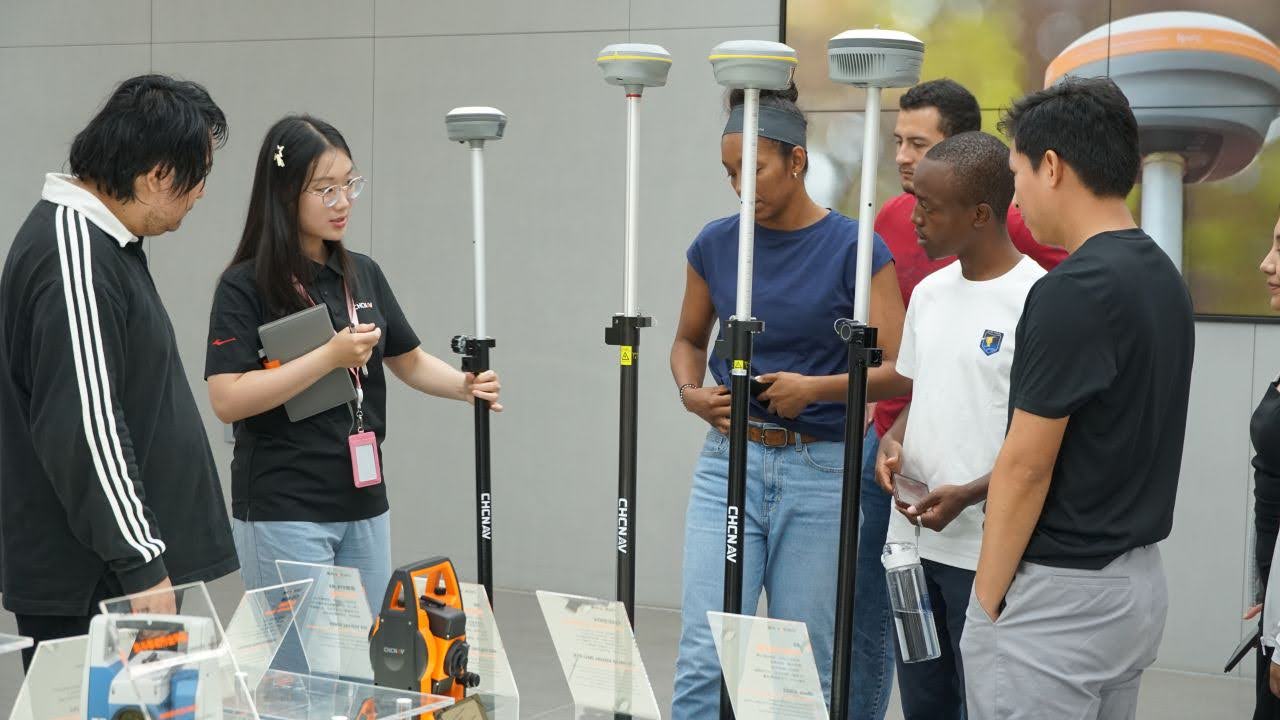 A highlight was a visit to CHC Navigation (CHCNAV), where we saw industry‑grade surveying systems such as GNSS (Global Navigation Satellite System) setups and LiDAR rigs. Witnessing how precision geospatial tools are built and deployed reinforced the importance of reliable ground data, even in AI‑driven workflows.
STAR.VISION: where space AI meets practice
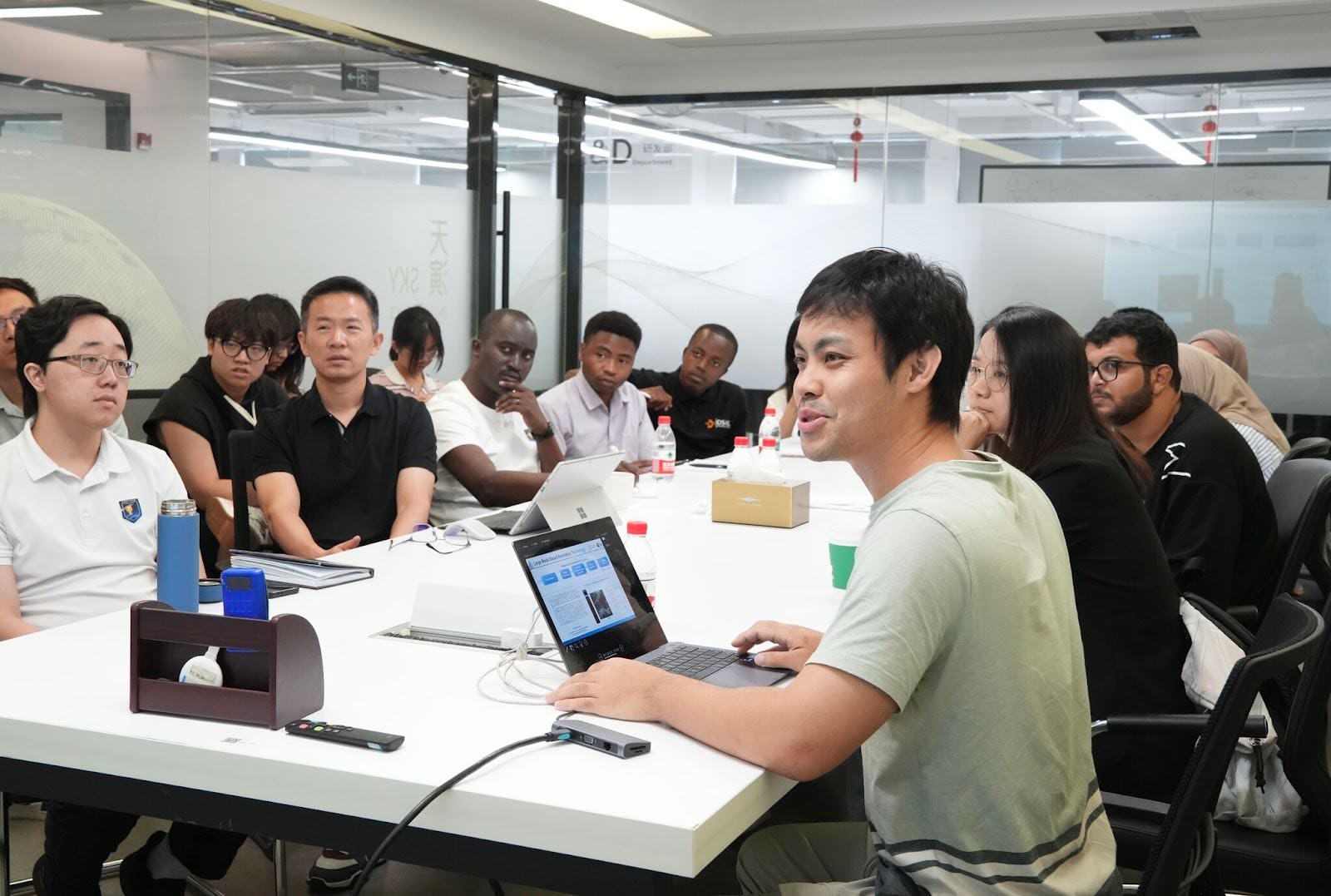
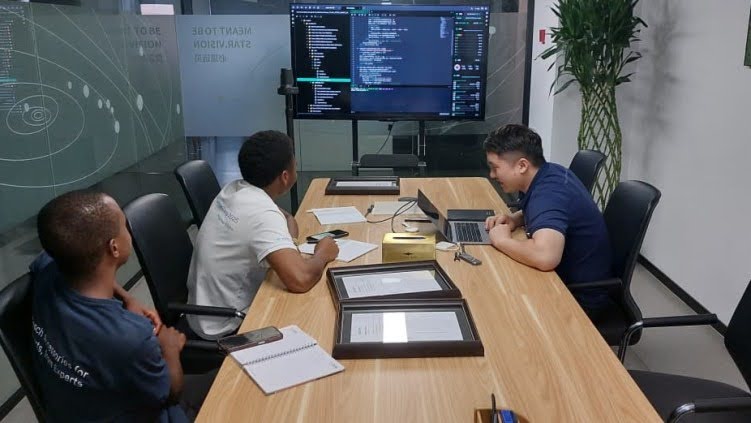
The second week at STAR.VISION deepened our understanding of remote-sensing and AI for space applications. We covered the end‑to‑end workflow: from data collection and annotation to model training and deployment. Key sessions included:
- Remote‑sensing and image preprocessing fundamentals.
- Object detection and land‑cover classification algorithms for satellite data.
- Introduction to STAR’s String AI platform for deploying models on resource‑constrained platforms.
- Applications of language models in satellite image processing.
Key takeaway: Edge AI is essential in space systems
One clear insight from the camp was that compute in space is extremely limited. Power, memory, and connectivity are constrained — so AI models must be optimized for these realities. STAR.VISION’s String AI platform made this tangible, showing how AI can operate efficiently in such environments without compromising reliability.
How this connects to my research
My research focuses on Edge AI for bioacoustic monitoring, aimed at deploying offline inference models for environmental conservation. The camp refined how I think about designing and testing models:
- Prioritise efficiency and suitability. Models should be optimized to run reliably on the target hardware while maintaining the accuracy needed for the task.
- Robustness to real‑world noise Just like satellite sensors, bioacoustic systems must handle complex and noisy inputs. This calls for strong data augmentation and realistic validation.
Collaboration, Curiosity, and Shared Discovery
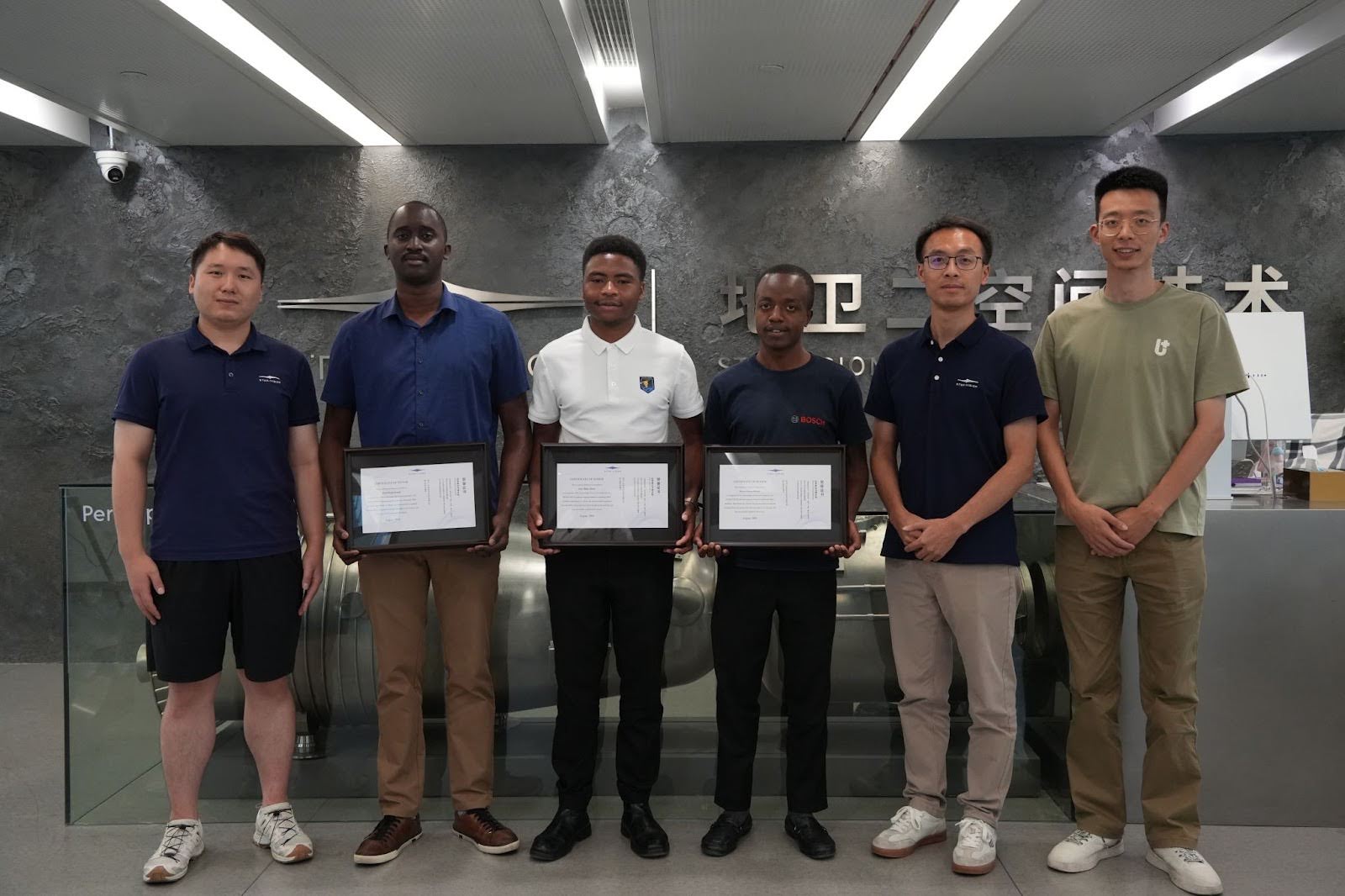
Beyond the technical sessions, the camp fostered collaboration and exchange. Conversations with participants from around the world sparked fresh ideas and new perspectives. When GEO Innovators received the third‑place award, it was a proud validation of many nights of work, experimentation, and teamwork.
The experience also reminded me that curiosity and humility are inseparable in research. The willingness of students, instructors, and engineers to share and collaborate made the learning environment deeply inspiring.
Acknowledgements
This trip would not have been possible without the support and mentorship of many people and organisations. I’m grateful to:
- GEO Innovators — for exceptional teamwork on the LULC algorithm.
- Kenya Space Agency — especially Brig. Kipkosgey and Mr. Kenneth Kanda — for sponsorship and support.
- Mr. Noor Fan and the STAR.VISION team — for their instruction and hospitality.
- The team at CHC Navigation — for the hands‑on demonstrations and insights.
- Prof. Ciira wa Maina — for continuous mentorship and guidance.
- Above all, I thank God for His enabling grace and blessing.
What's next
I return with clearer priorities: tighter model profiling, noise‑aware validation, and robust telemetry for improving performance in real deployments. I’m also eager to collaborate on data-collection workflows or edge-AI deployments for conservation — and happy to share insights and lessons from the camp.