Introduction
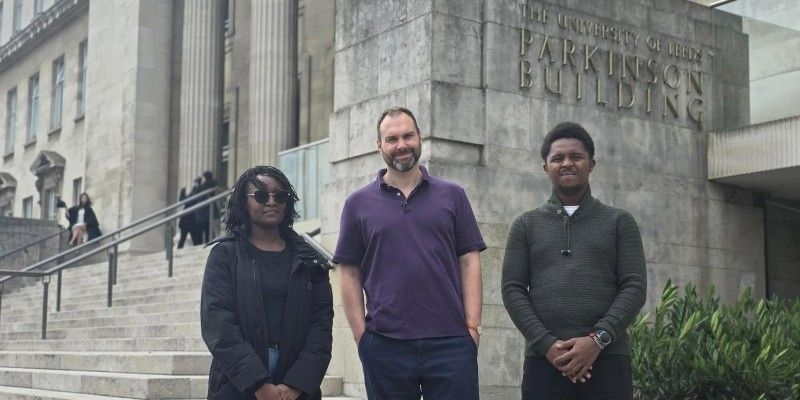
In June and July 2025, Lorna Mugambi and I had a research visit to the University of Leeds and Swansea University, we presented our research findings to AI and ecology experts at both universities, illustrating how knowledge can be shared across borders to make a difference in the world.
Presentation of Research Work
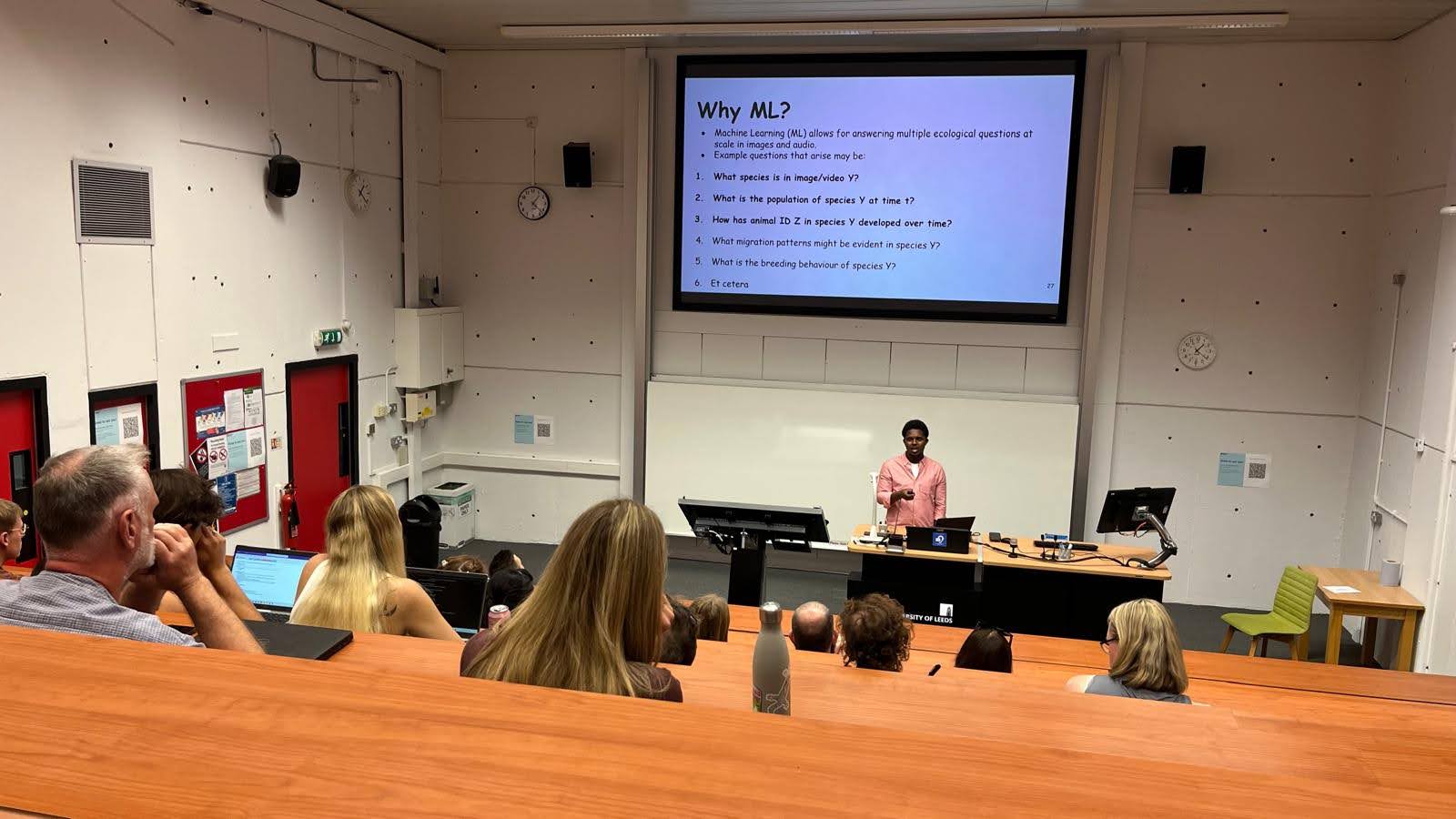
The work focused on the development and use of camera traps, which provide valuable visual wildlife data that could answer questions such as animal species, population sizes and animal interactions. The work shows how machine learning-based methods can be used to explore camera trapping data at scale.
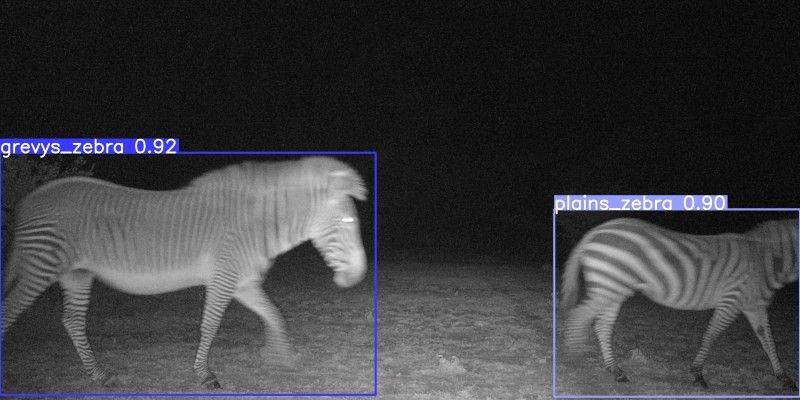 The animals captured in these images include zebras, hyenas, lions, ostrich, warthogs, elephants, aardvarks and cheetahs.
The work showcased, evolved around the need to detect the endangered Grévy's zebra and to estimate its relative population. 90% of Grévy's zebras are thought to be present in Kenya.
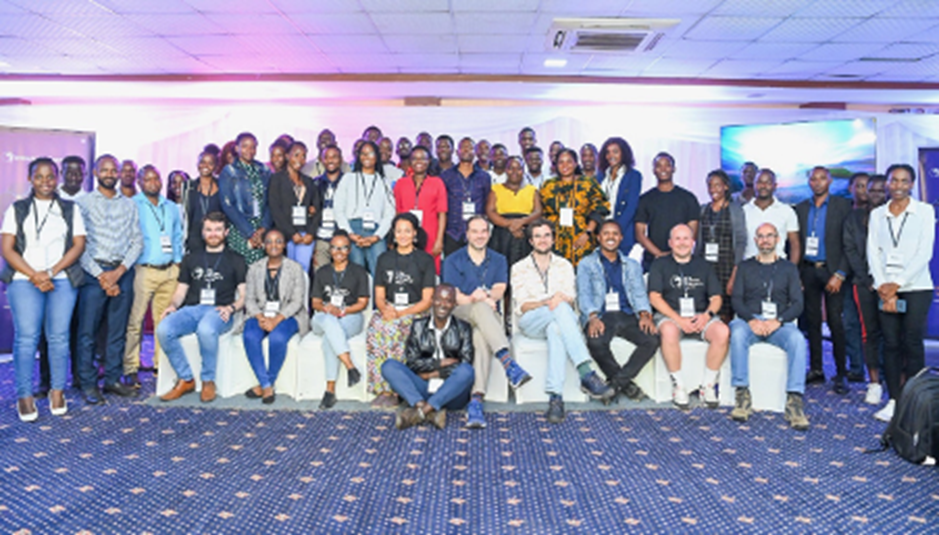
We previously presented similar research at an AI in ecology workshop at Deep Learning Indaba X Uganda in 2024.
The animals captured in these images include zebras, hyenas, lions, ostrich, warthogs, elephants, aardvarks and cheetahs.
The work showcased, evolved around the need to detect the endangered Grévy's zebra and to estimate its relative population. 90% of Grévy's zebras are thought to be present in Kenya.
We previously presented similar research at an AI in ecology workshop at Deep Learning Indaba X Uganda in 2024.
The visit has connected us to more researchers and ecologists who have a strong background in Zoology, which is the kind of collaboration we would love to be involved with.
After the presentation we received questions about how we can integrate this system with work in crayfish detection by Prof. Josie South among other ecologists.
We also met with a postdoc from Ethiopia based at the University of Leeds working on bioacoustics and camera trapping in the Omo River valley (on the border with Kenya) where other Grévy's zebras are expected to be present.
This opportunity has been fantastic for providing us with the kinds of connections that can be mutually beneficial for the future.
The AI analysis ensures more accuracy and speed by analysing up to 30,000 camera trap images to quickly identify which image holds the answer to research questions.
The images found that for one Grévy's zebra there were typically three Plain zebras at Mugie Wildlife Conservancy.
These findings are encouraging for us and would lead to deployments over a longer period to analyse more data and to integrate our models with the systems at the conservancy.
The images captured are in partnership with the Dedan Kimathi University Wildlife Conservancy next to the Dedan Kimathi University of Technology as well as the Mugie Wildlife Conservancy.
We spoke about work on monitoring insects by analysing images, a partnership between our centre, the Centre for Data Science and Artificial Intelligence and the UK Centre for Ecology & Hydrology.
Lorna who has completed her MSc in Telecommunication Engineering said: “I’ve really enjoyed this visit and meeting with Professor Richard Mann and the ecologists at the University of Leeds.”
She explained that this fantastic opportunity began at the Deep Learning IndabaX Uganda conference in 2024, where the Leeds Africa Hub sponsored their attendance. Lorna added: “Presenting our research at the conference was pivotal. Without the work we put in and the platform that conference provided, this visit simply wouldn't have happened.”
“It's been incredibly beneficial to talk through the problems we all face, particularly in the ecology field. Despite working with different species, from our mammalian focus to their deer and crayfish research, many of the challenges with camera trap data proved to be remarkably similar.
We even found that some of our solutions could be readily applied to their datasets, like those for crayfish, bridging a significant gap in our shared work.”
“Lorna and Yuri are great examples of the exciting work that is being done in Data Science and AI across Africa, and especially the potential of early career researchers to contribute to their own societies and also to the global development of Data Science and AI research.”
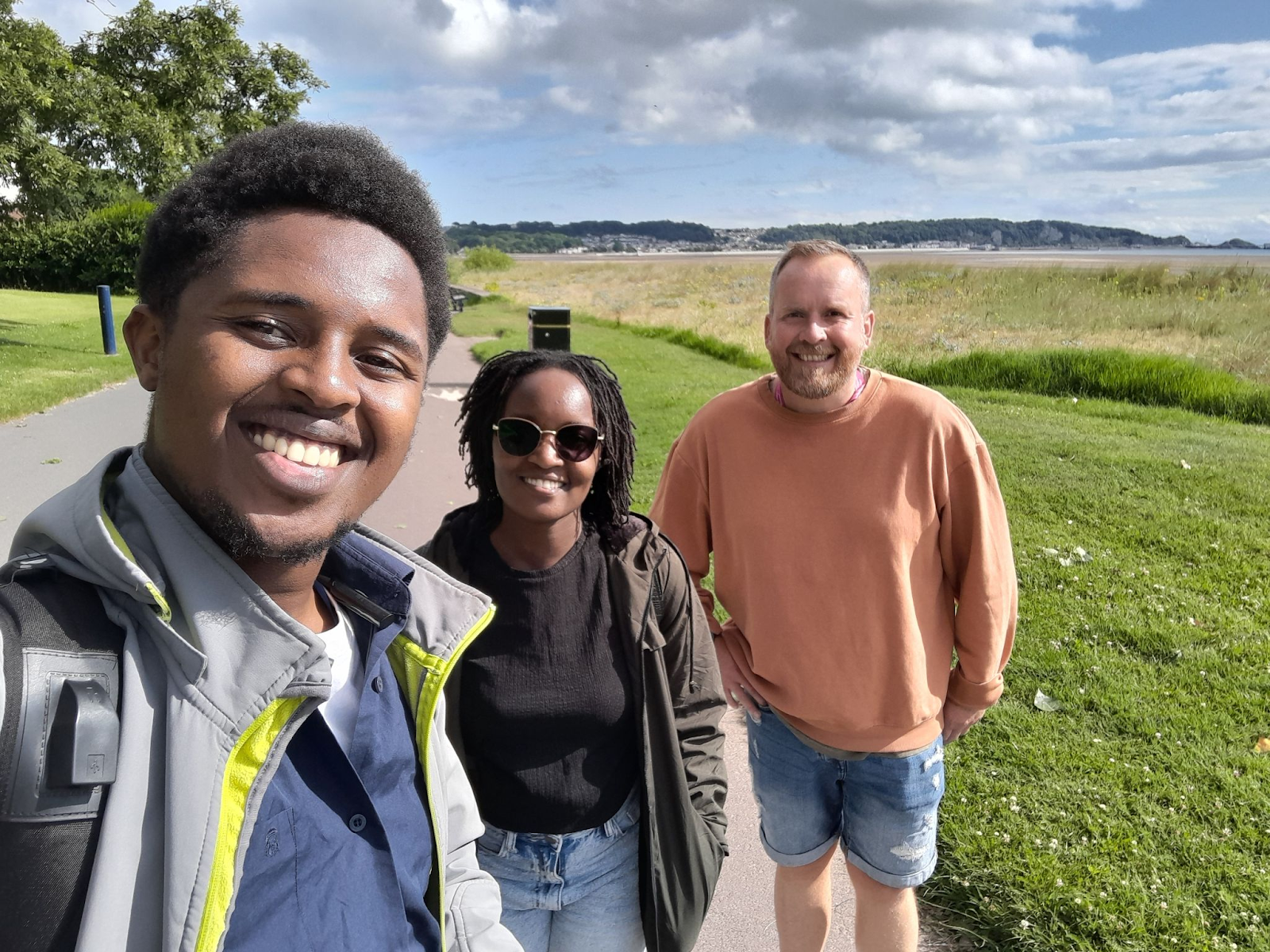
Lorna and I were given the research visit opportunity through the Leeds Africa Hub for Data Science and Artificial Intelligence which has enabled us to connect with different researchers from different places. During our time in the UK, we also visited Swansea University and gave a similar presentation to ecologists.
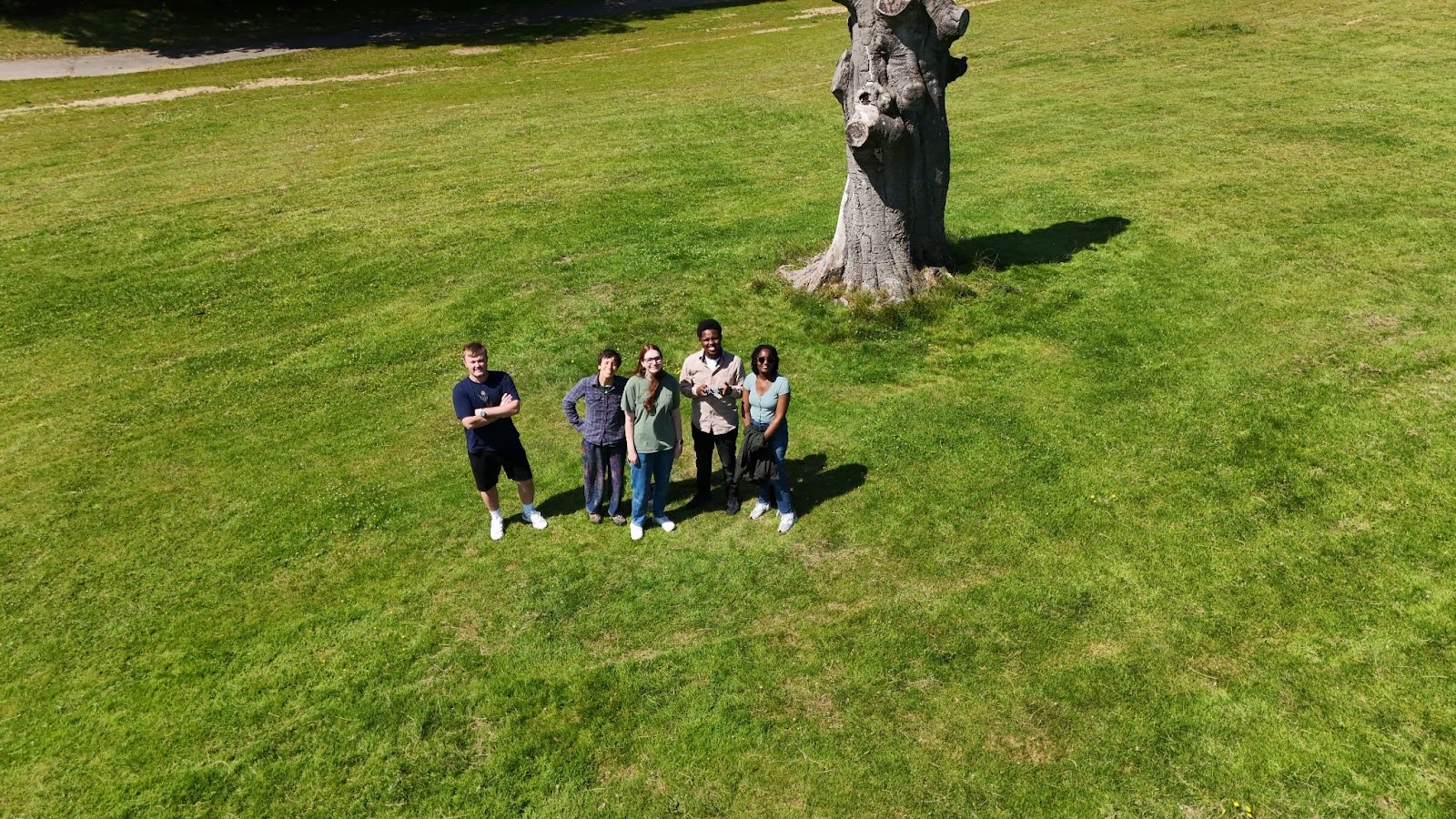 The visit was a great opportunity to experience how the research community, be it engineers or scientists in the UK, have helped shape the cities and the country they live in.
Further information
For more information, please have a look at the related blog post by the Leeds Press Office.
Deep Learning Indaba X Uganda was organised by the University of Leeds and Deep Learning Indaba - a group that aims to spread knowledge and help more people across Africa to contribute to machine learning and AI conversations.