Introduction
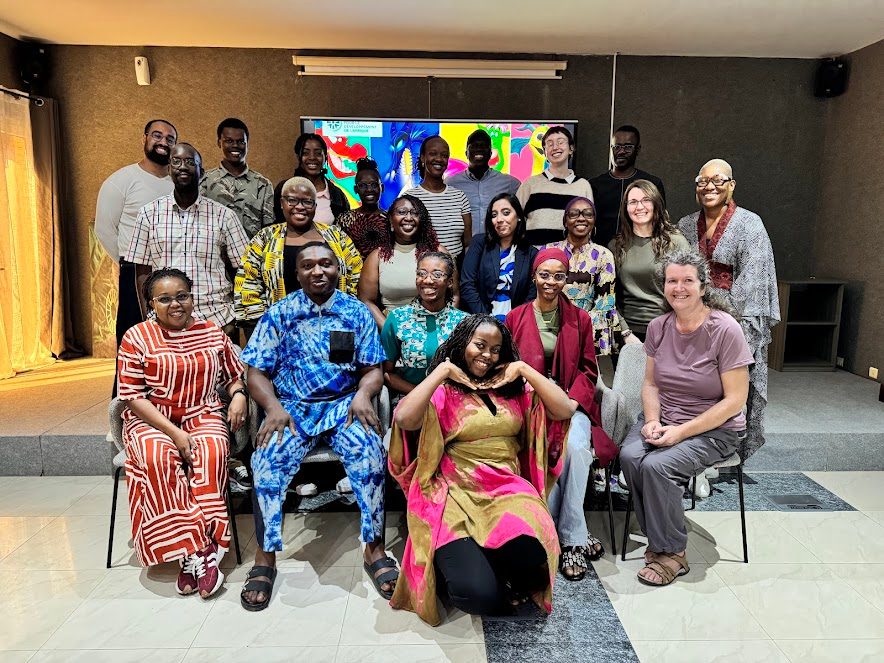
Bonjour! From February 23rd to 27th, I attended the AI4D storytelling writeshop convened by NIYEL and supported by International Development Research Centre (IDRC) and Foreign, Commonwealth and Development Office (FCDO) in Dakar, Senegal. The writeshop brought together communication officers from various Artificial Intelligence for Development (AI4D) projects in Africa and Asia. This was an incredible learning and networking experience, which I am more than excited to share with you.
Why are stories important?
Behind the amazing technology we use to build solutions lies a critical ingredient, the people, without which
technology would lack relevance. Telling real impact stories in this time and age where AI slop is taking
centre stage becomes essential not only for individuals but for organizations as well.
Stories matter because they do what facts alone often can’t. They make information more captivating, meaningful,
memorable and human. Stories turn abstract concepts into relatable experiences which many people find easy to
grasp. Stories also bring out empathy and make people more engaged. The stories we often remember are the ones
we find relatable either to our setting or to our personal lives. Therefore, storytelling is a tool that can
be harnessed to reach wider audiences and act as a catalyst for change.
Storytelling Techniques
During the workshop, the focus was on telling clearer and more human-centred stories. We explored and learned techniques that aid in identifying compelling narratives that showcase real impact in the work that we do. The writeshop deepened my understanding on telling stories to wider audiences through different forms such as writing, creative storytelling through short form video and photography.
- Writing: Effective storytelling through writing begins with clarity of purpose and a strong human centred approach. The language used should be accessible and vivid to allow readers to visualize the story as it unfolds. The plot should balance emotion with evidence, weaving in key findings or insights without losing the human element. When done well, written stories not only inform but also invite reflection and deeper understanding.
- Short-form video: Creative storytelling through short form video relies on emotion and visual impact. Within the first few seconds, the story must capture the viewers attention and communicate a clear message. Authenticity is key, using real voices and natural settings often resonates more than AI generated content. Strong visuals and concise captions guide the viewer through your story. When crafted effectively, short-form videos can build emotional connection and are highly shareable, making them powerful tools for a wider reach among diverse audiences.
- Photography: A picture is worth a thousand words. A powerful image centers on emotion, context and detail. This requires a keen eye for detail, thinking about composition, lighting and perspective to highlight what matters most in the frame. Great photographs spark curiosity and draw viewers into the lived realities behind the work that you do, thus making your story feel immediate and real.

What is the primary source of information for our target audience?
We engaged in discussions around who our audiences are and how they access information. This informed approach
allowed us to dive deeper into understanding how to craft stories that are compelling and also relatable to our
audiences.
In today’s digital landscape, social media has become a central channel for accessing and disseminating information.
Platforms such as LinkedIn, Facebook, Instagram, TikTok, and X serve not only as spaces for connection, but also as
primary sources of news, knowledge sharing, and storytelling. Understanding how each platform works and its
demographics allows you to tailor content that is relatable to your audience.
Wholesomely, these platforms highlight the importance of adopting a multi-channel communication strategy, one that
not only considers where audiences are, but also how they consume and engage with information across different
digital spaces.
Stories as catalysts for change
While visibility and engagement matter, storytelling is not just about getting our work into conversations. It
is about shifting mindsets, stirring empathy, and ultimately driving change. A powerful story moves beyond
awareness and into action: it makes people pause, reflect, and feel the urgency of issues that may otherwise
seem abstract or distant. Well told stories can humanize research, turning data into something people can connect
with on a deeper level.
When told with intention and authenticity, stories become a force that bridges the gap between knowledge and action,
helping drive meaningful, lasting change within communities across the world.
Visit to Goree Island
On the last day of the workshop we had the opportunity to visit Goree island, which served as a major slave trading hub between the 15th and 19th century. Among the sites that captured my attention include the House of Slaves (Miason des Esclaves) which acts a memorial for the victims of the slave trade. Here, slaves were cramped in cells then once they met the criteria to be sold as slaves they were transported to North America, Europe or South America through the Door of No return. The Door of No return leads directly to the ocean and it was the final exit for the African slaves, symbolizing the final departure of the slaves from their motherland.


Final reflections
The writeshop was an amazing learning opportunity that made me appreciate the need of communicating with clarity. Through networking I met curious minds that made me appreciate the relevance of the work that we are doing here in Kenya. This is just the beginning to telling impactful stories.