Introduction
The Centre for Data Science and Artificial Intelligence Laboratory (DSAIL) at Dedan Kimathi University of Technology (DeKUT) hosted Research Day 2025. The event, held on November 13th and 14th, brought together a diverse group of researchers from DSAIL and guests from industry such as Google Research Africa, Amini AI, Institute of Design and Innovation and Natural State. The atmosphere was one of rigorous inquiry and communal celebration, as the team showcased how localized AI research can address global challenges in health, ecology, and technology.
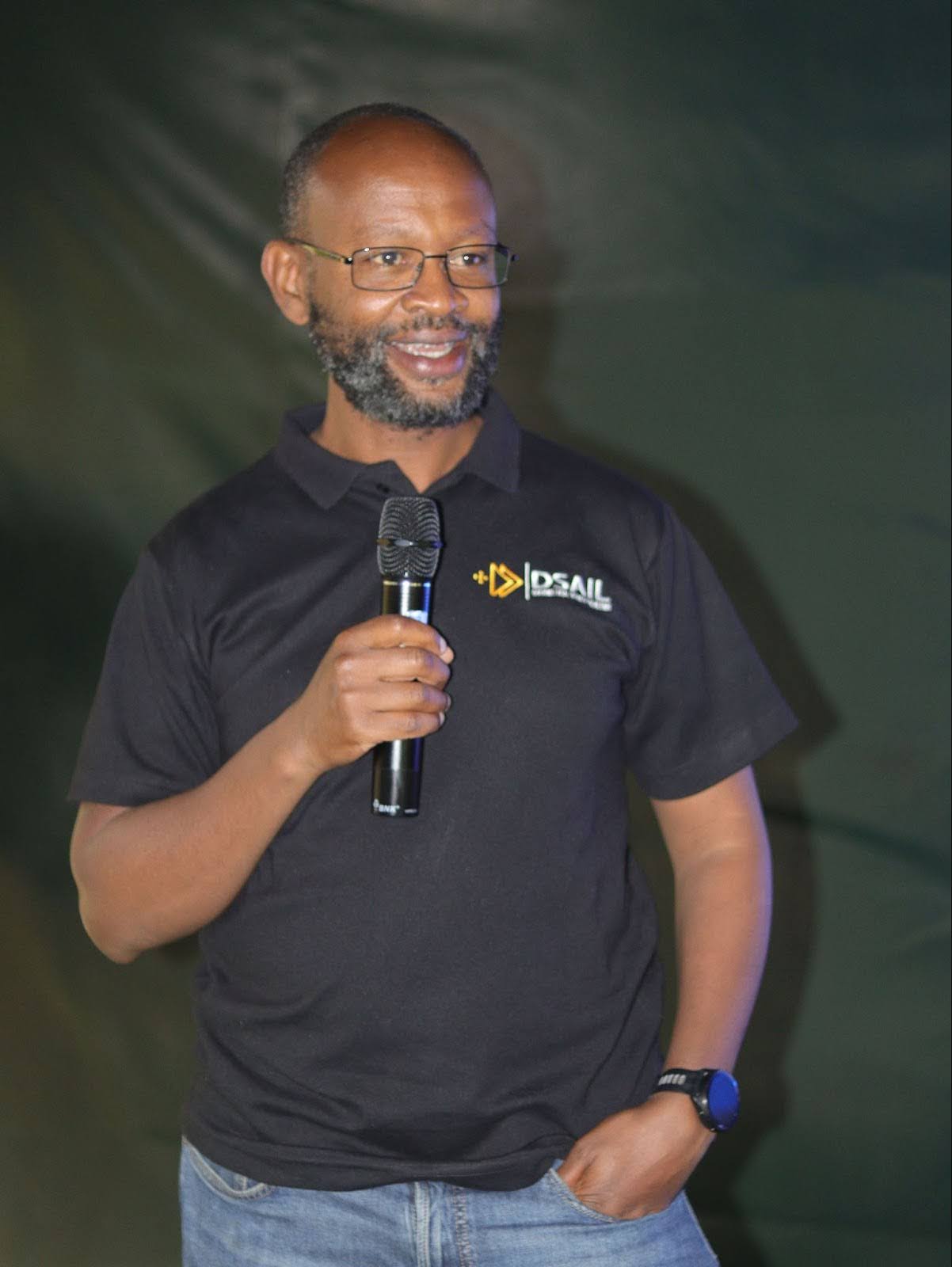
Research day kicked off with opening remarks from DSAIL Director and Founder, Prof. Ciira Maina who welcomed everyone into what would be two days of quality research presentations, interaction and outdoor excursion. He opened up the floor for the presentation sessions.
Revolutionizing Healthcare through Medical AI
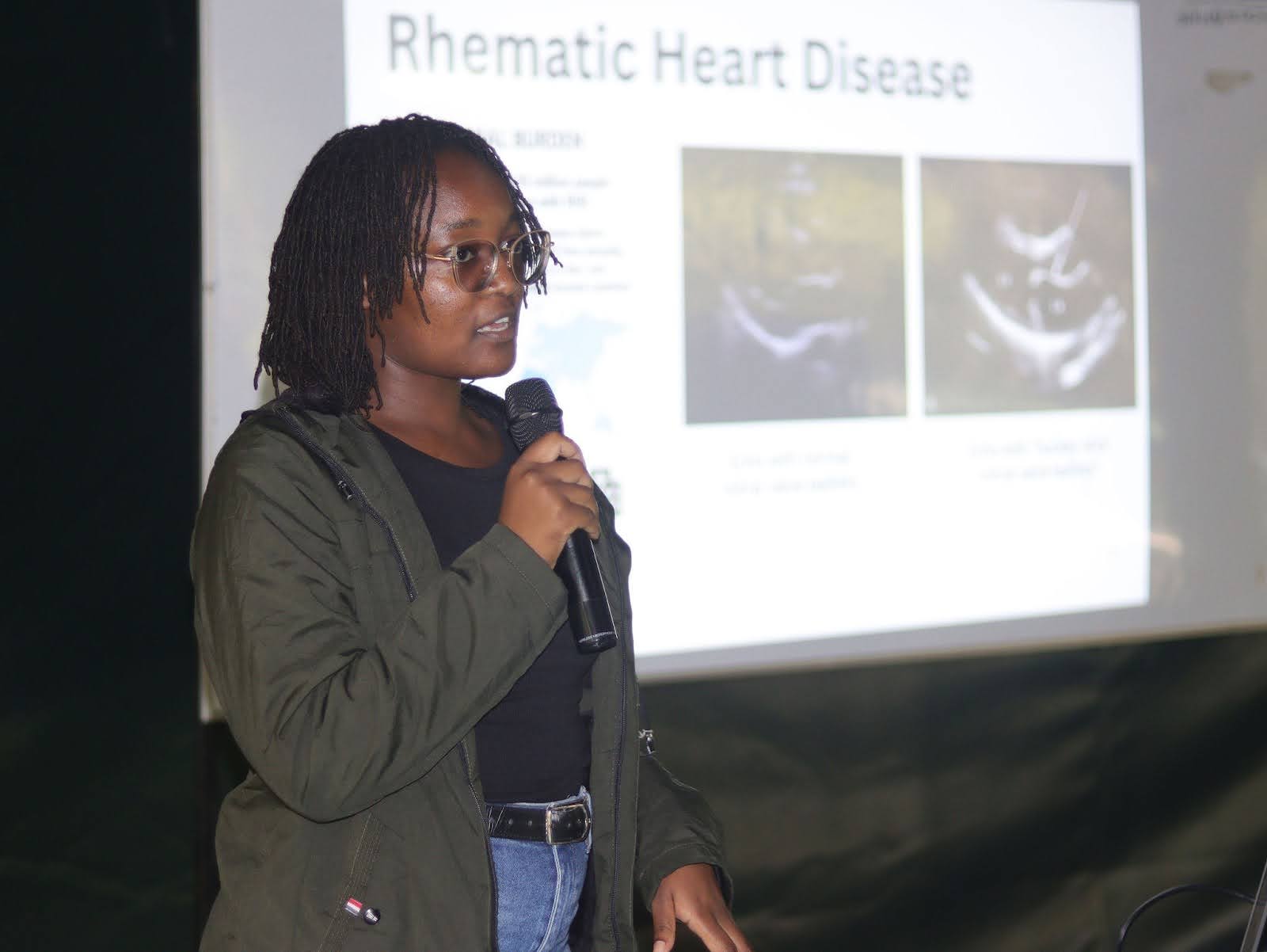 The presentations opened with a powerful focus on leveraging data to bridge the healthcare gap in low-resource
settings. Lorna Mugambi set a high standard with her work on fine-tuning the
MedGemma-4B model. By focusing on echocardiographic data, her research aims to improve the
detection of Rheumatic Heart Disease, a condition that often goes undiagnosed until it is too
late.
The presentations opened with a powerful focus on leveraging data to bridge the healthcare gap in low-resource
settings. Lorna Mugambi set a high standard with her work on fine-tuning the
MedGemma-4B model. By focusing on echocardiographic data, her research aims to improve the
detection of Rheumatic Heart Disease, a condition that often goes undiagnosed until it is too
late.
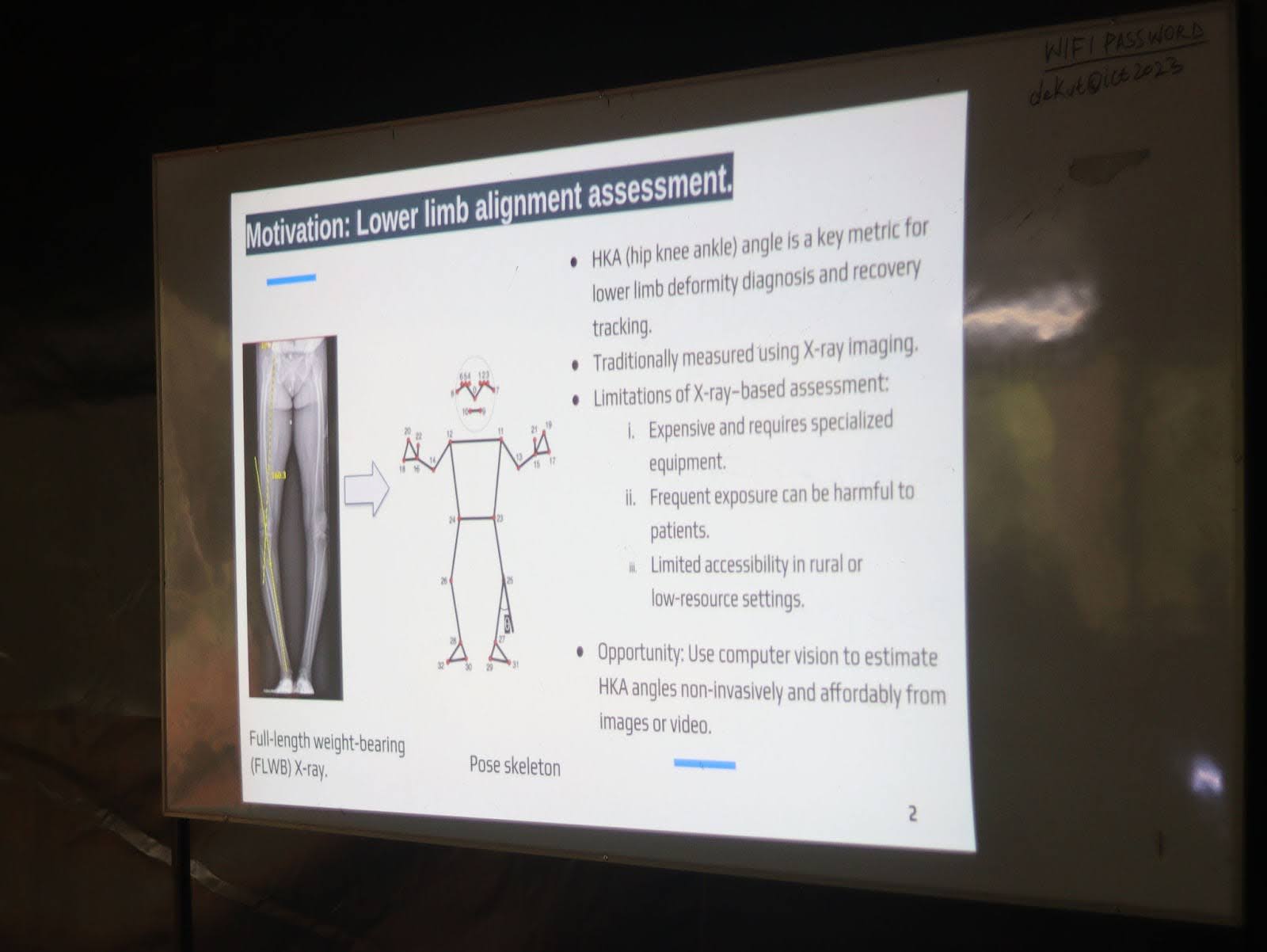
Complementing this diagnostic precision, Clinton Mwangi introduced a knowledge-distilled pose estimation system designed for Lower Limb Alignment Assessment. This lightweight technology allows for accurate orthopedic evaluations even in remote clinics where high-end medical hardware is scarce.
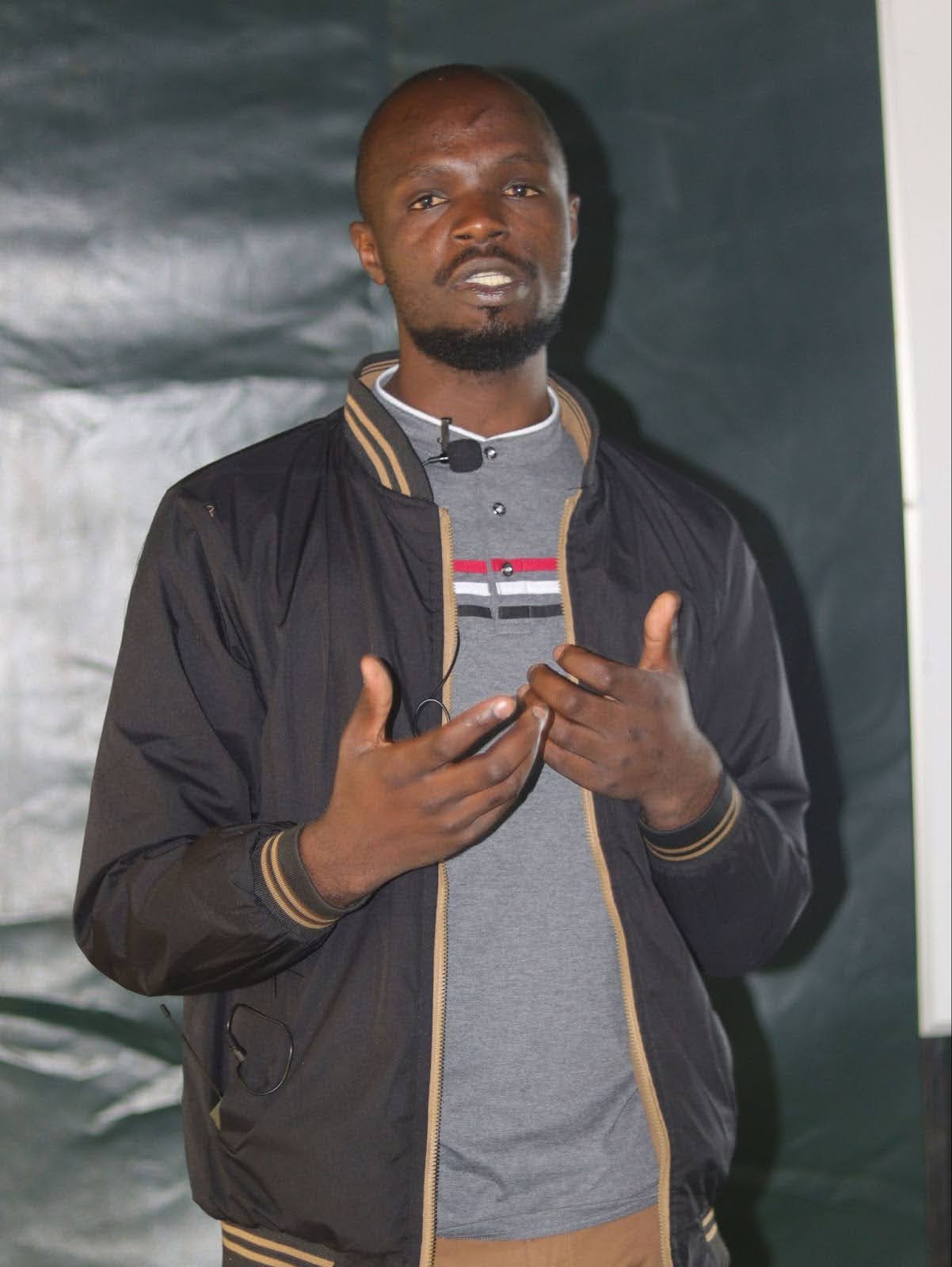
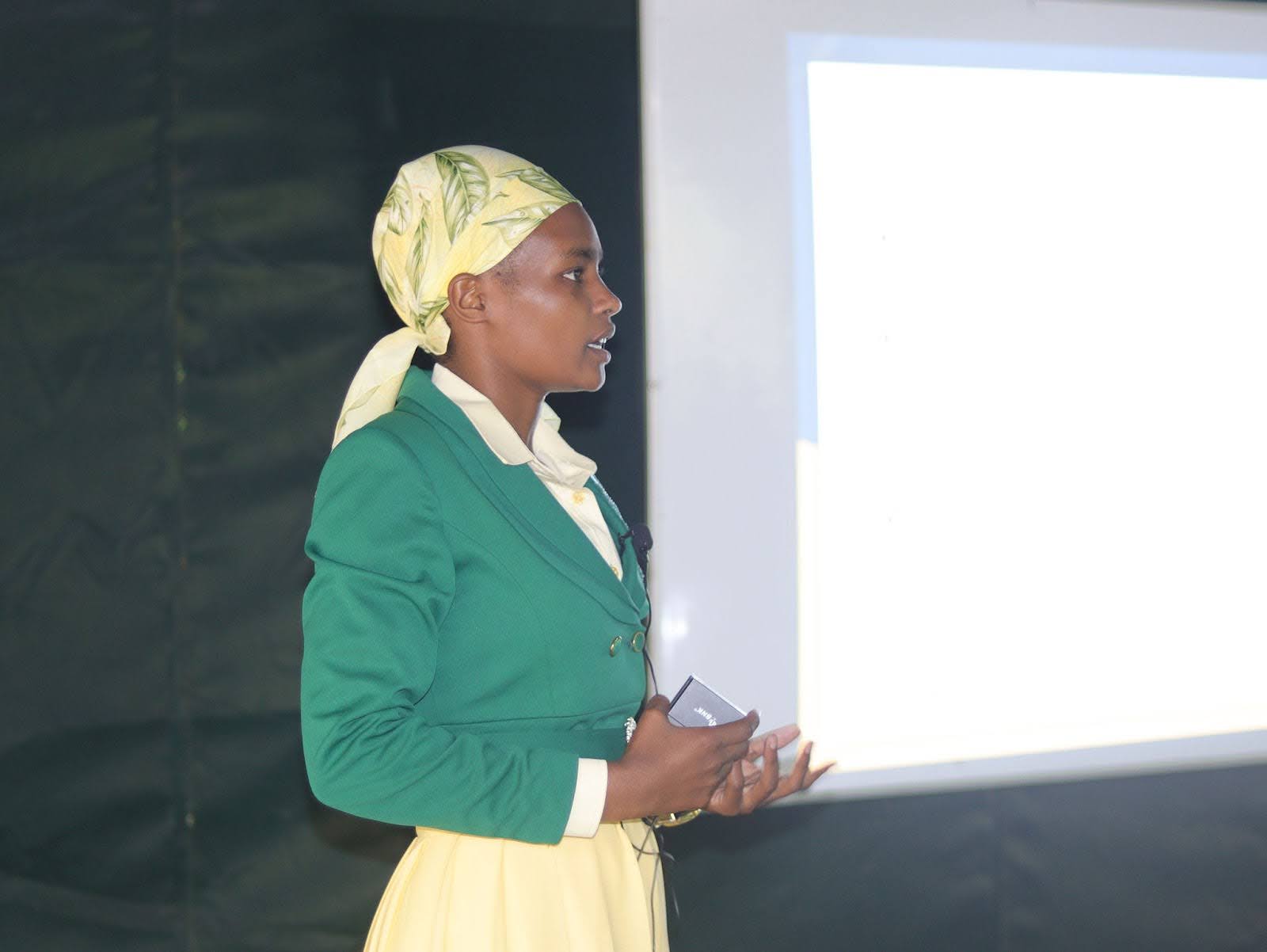 Recognizing that technology must also speak the language of its users, Mary Kariuki
emphasized the critical need for linguistic inclusion. Her project focuses on building high-quality
health datasets for low-resource African languages, ensuring that AI-driven medical advice is
accessible and culturally relevant.
Recognizing that technology must also speak the language of its users, Mary Kariuki
emphasized the critical need for linguistic inclusion. Her project focuses on building high-quality
health datasets for low-resource African languages, ensuring that AI-driven medical advice is
accessible and culturally relevant.
Guardians of the Forest: Ecology & Environmental Monitoring
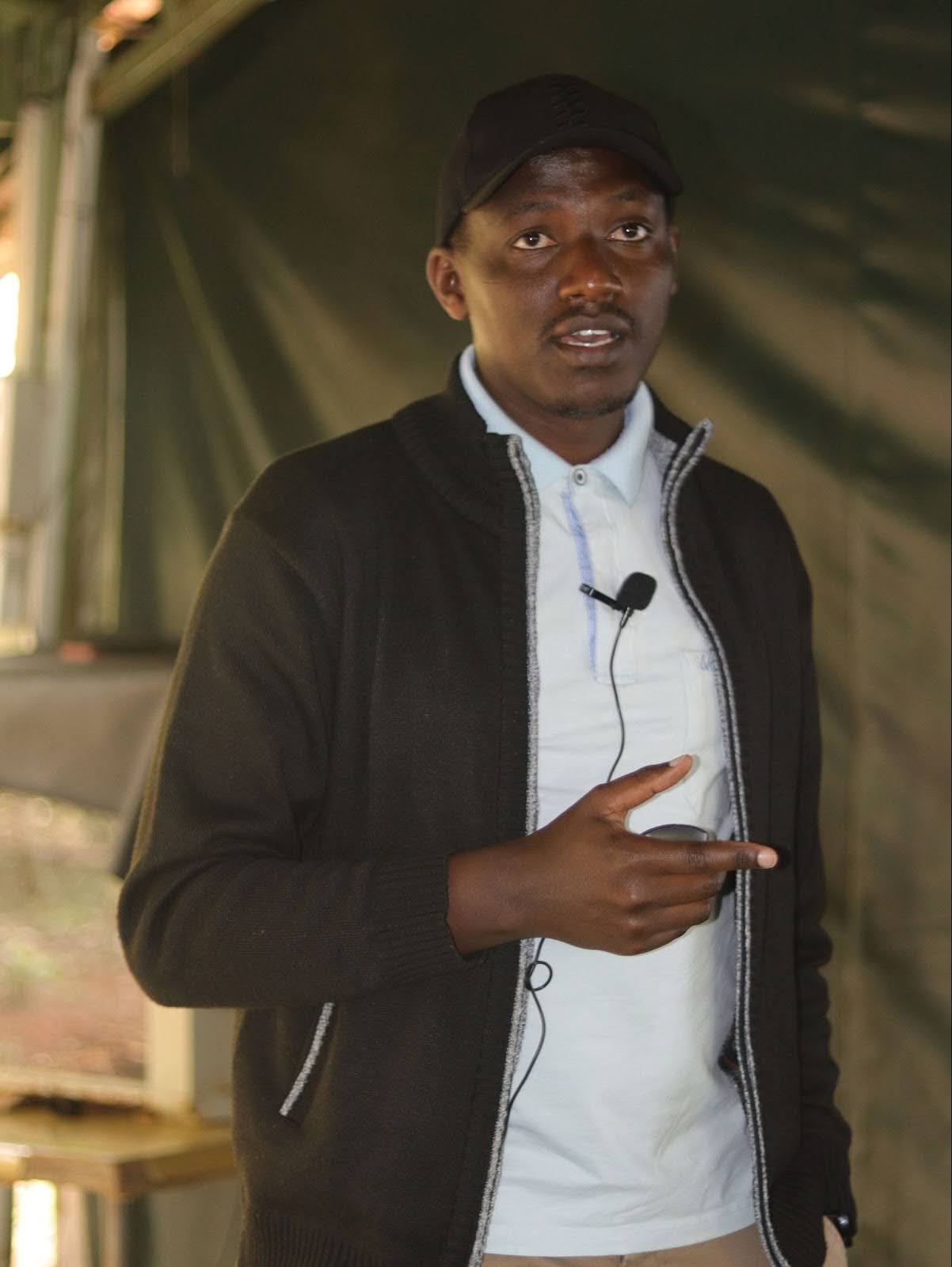
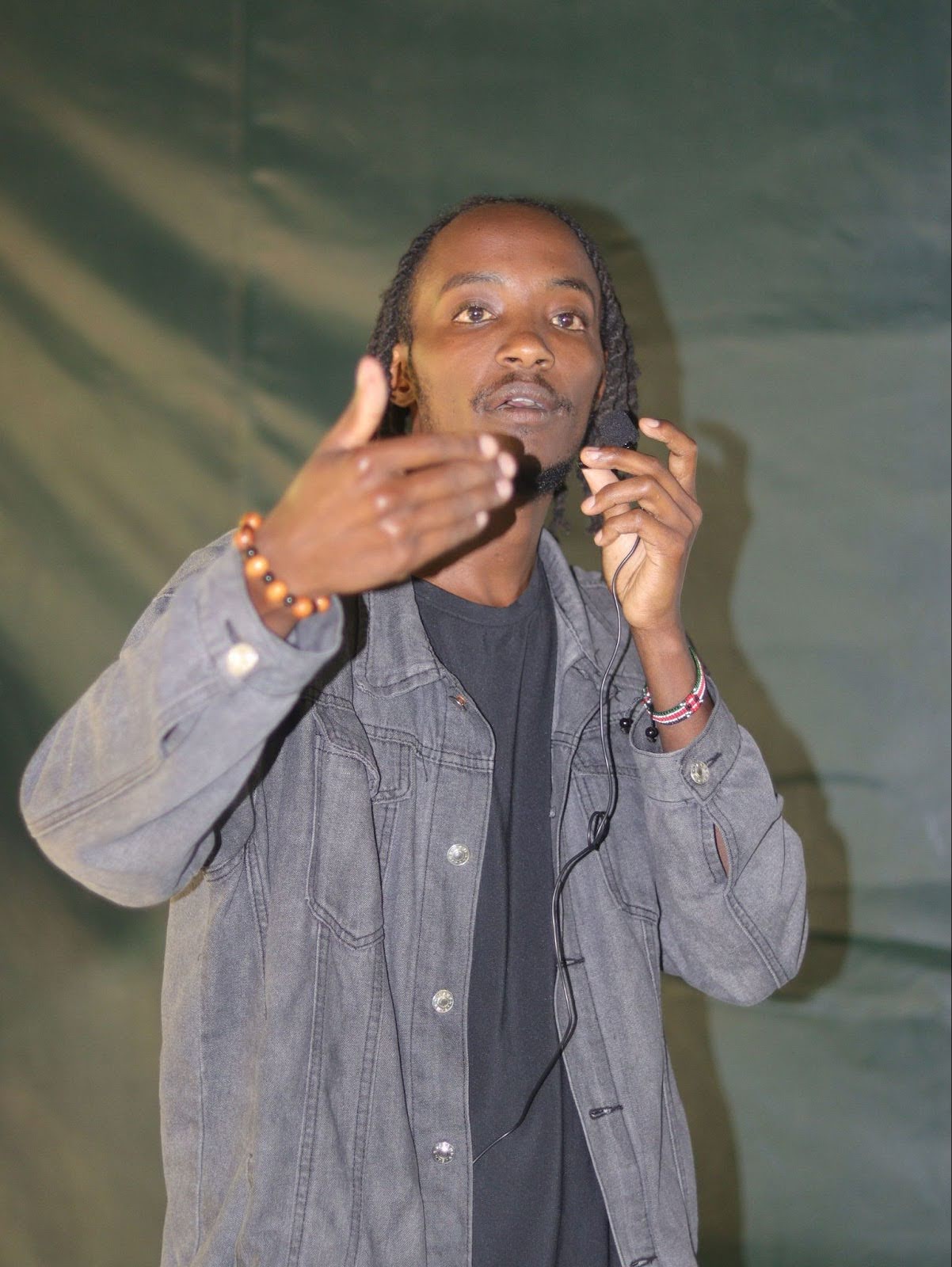
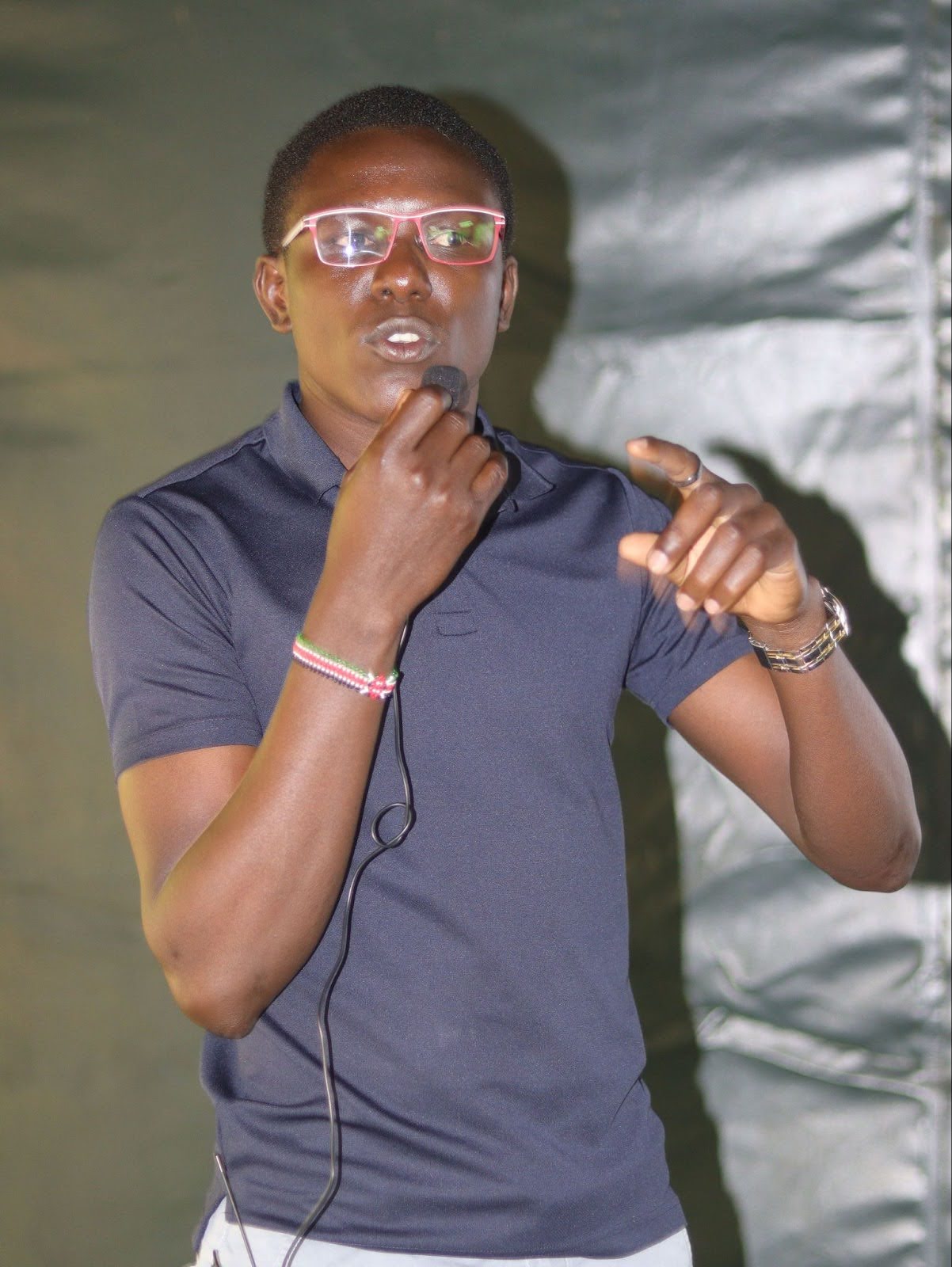
Reflecting DeKUT's unique position near the Aberdare ecosystem, a significant portion of the day was dedicated to the Miti360 initiative. Cedric Kiplimo introduced the foundational Miti360 dataset, which provides a robust framework for monitoring forest health at scale.
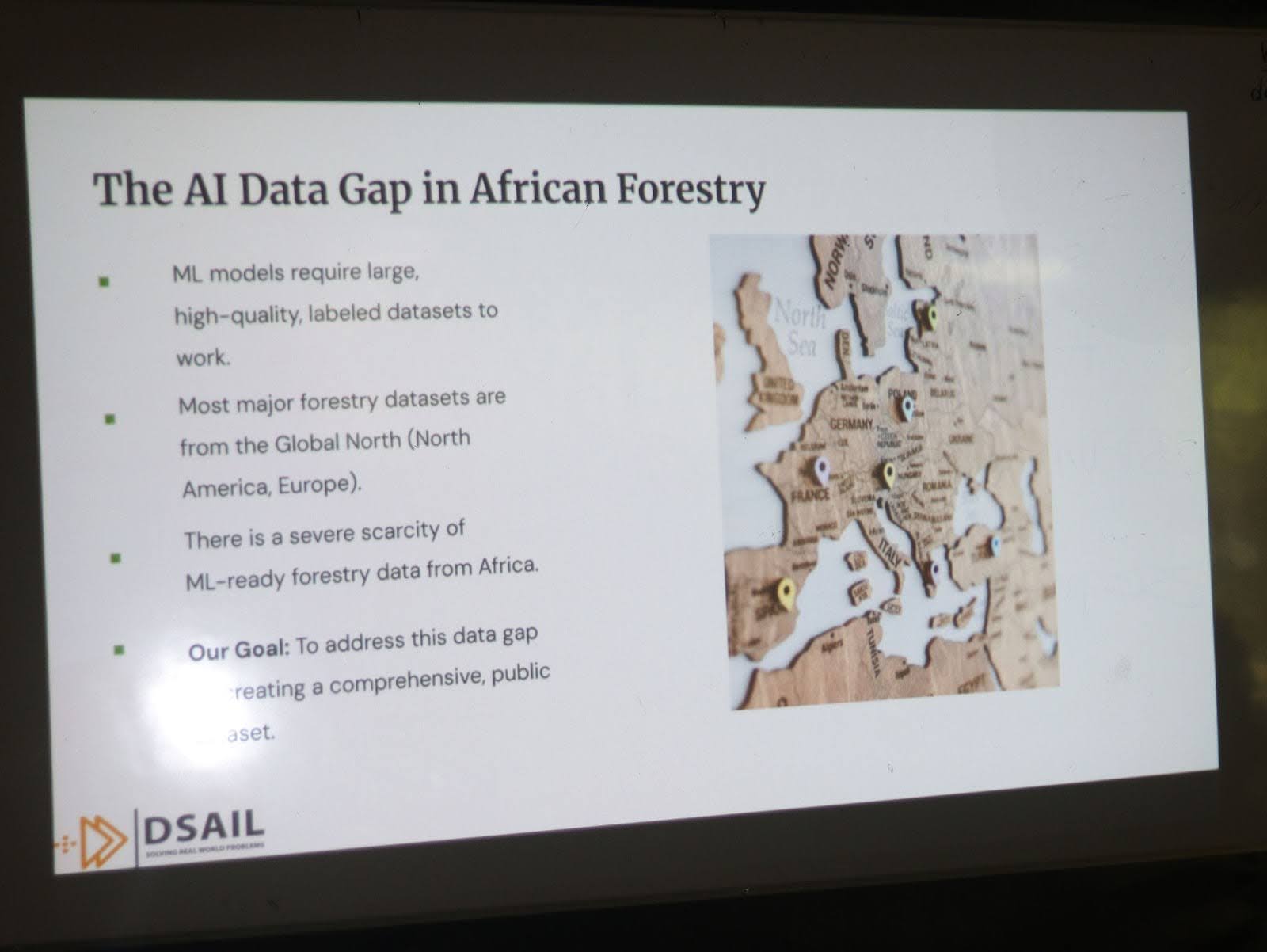 However, raw data is only useful if it is accurate, a challenge addressed by Samuel Gachana,
who discussed the technical hurdles of georeferencing and data harmonization within the Kieni
Forest. Taking the analysis a step further, Leonard Sanya showcased the application of the
Segment Anything Model (SAM) for precise tree mask generation, a vital tool for automating
canopy cover assessments.
However, raw data is only useful if it is accurate, a challenge addressed by Samuel Gachana,
who discussed the technical hurdles of georeferencing and data harmonization within the Kieni
Forest. Taking the analysis a step further, Leonard Sanya showcased the application of the
Segment Anything Model (SAM) for precise tree mask generation, a vital tool for automating
canopy cover assessments.
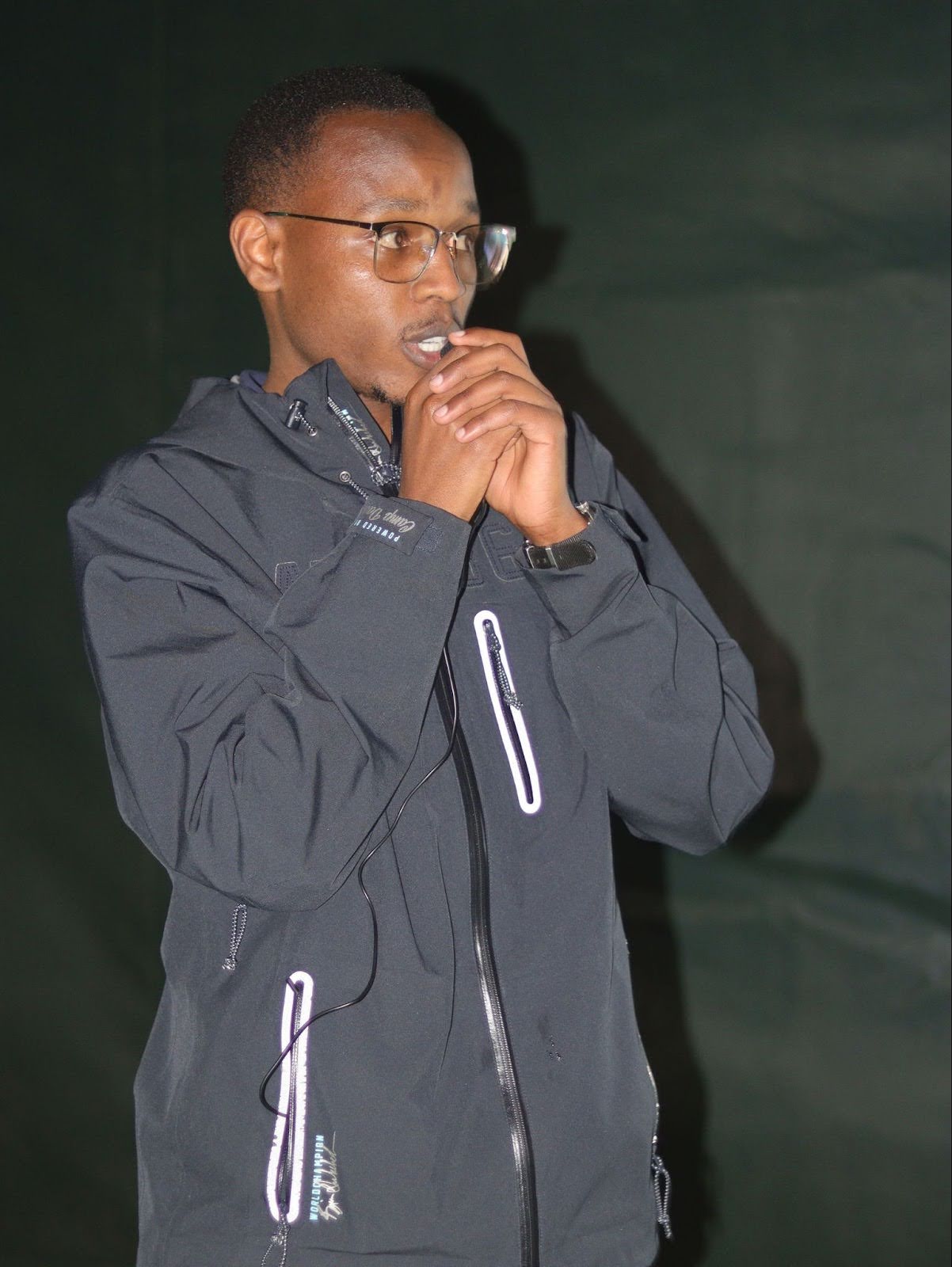
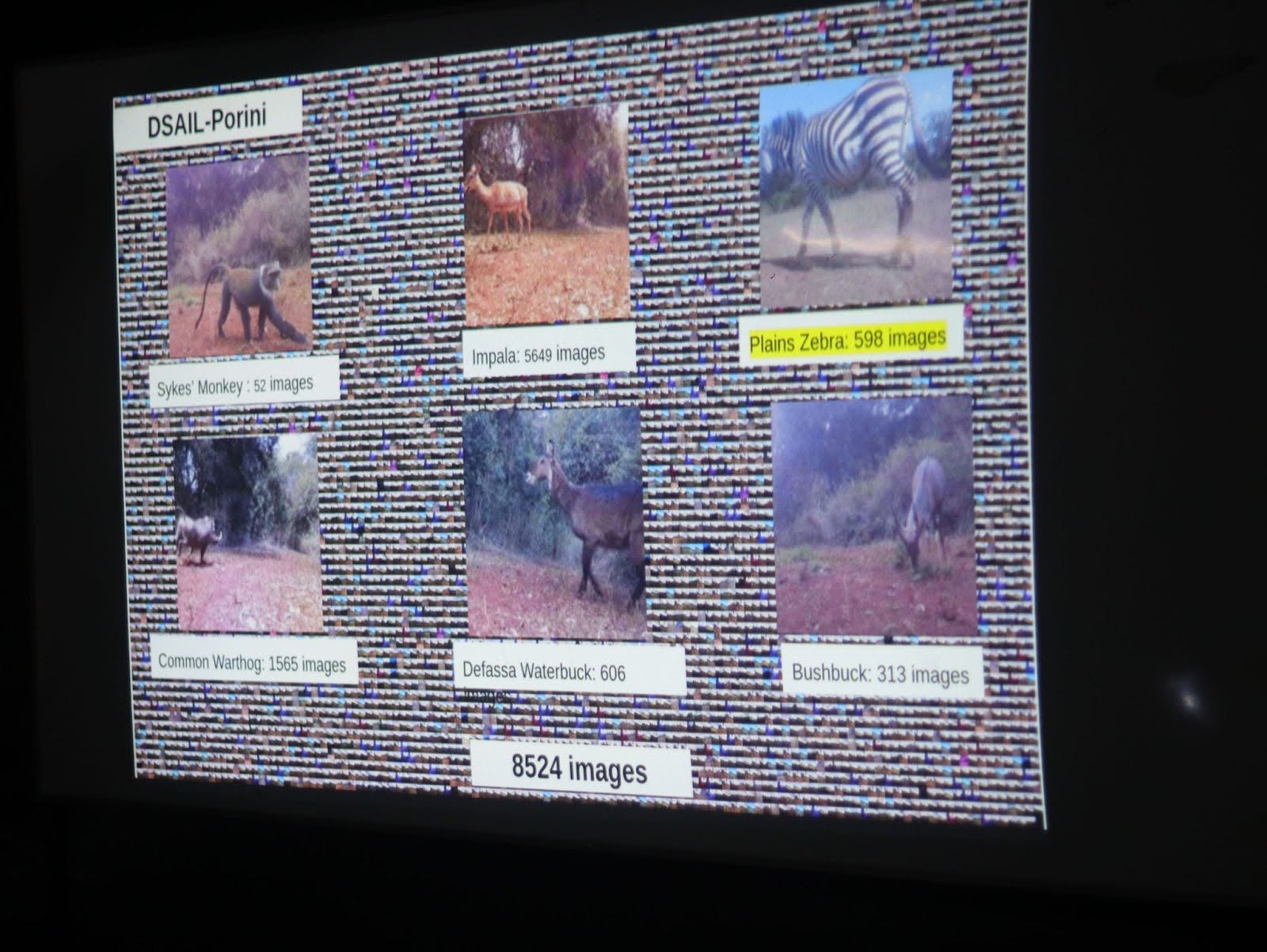
Beyond the trees, the monitoring extended to wildlife. Victor Ruto presented a creative end-to-end pipeline for Animal Re-Identification, which uses camera trap images to move beyond simple detection to identifying individual animals.
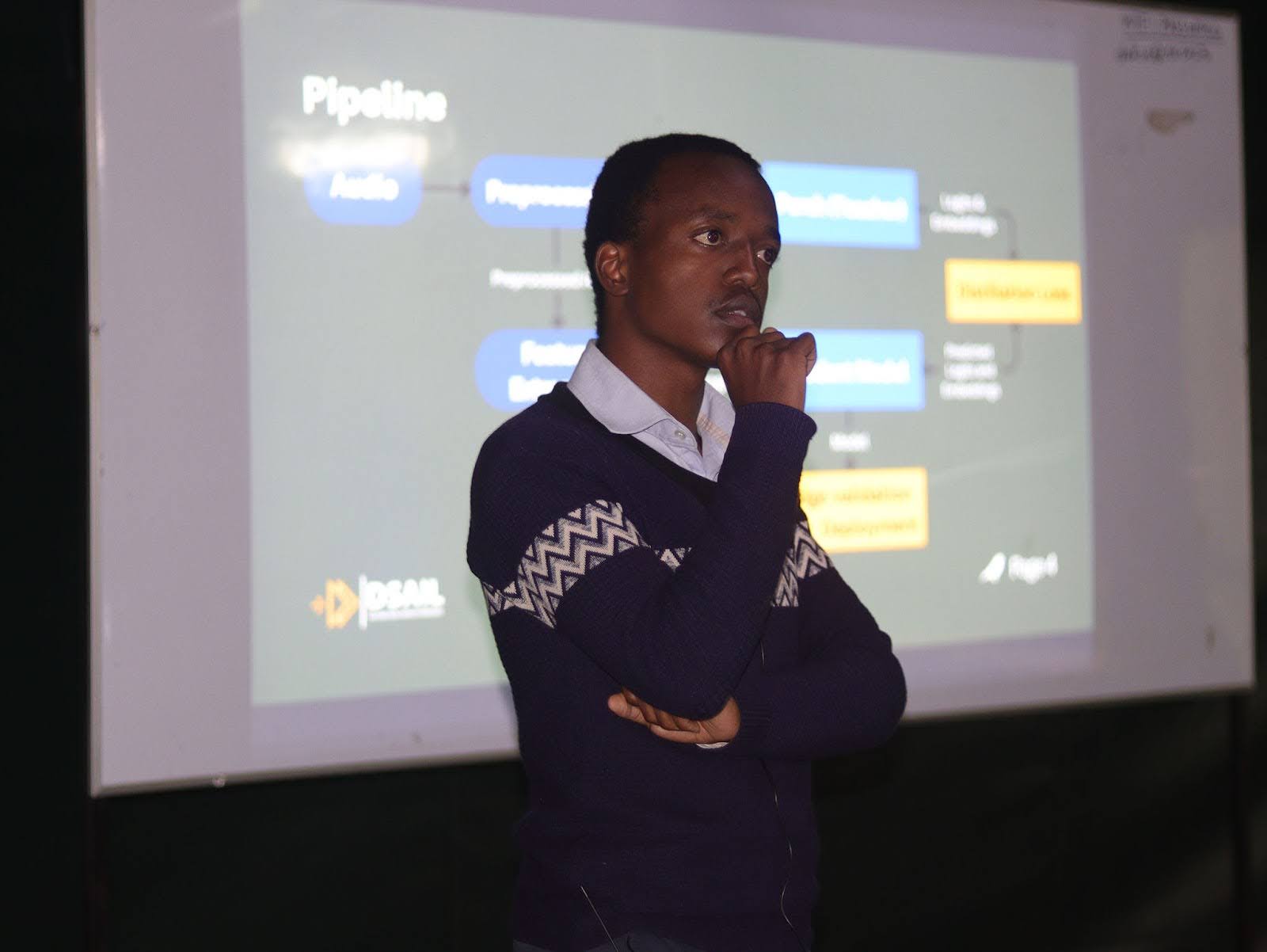 To round out the environmental segment, Emason Munene demonstrated the power of
bioacoustic models using Perch Distillation. This approach allows for real-time sound
monitoring on lightweight "edge" devices, enabling conservationists to listen to the forest's health without
needing massive server infrastructure.
To round out the environmental segment, Emason Munene demonstrated the power of
bioacoustic models using Perch Distillation. This approach allows for real-time sound
monitoring on lightweight "edge" devices, enabling conservationists to listen to the forest's health without
needing massive server infrastructure.
Resilient Infrastructure: Climate, Energy & Smart Systems
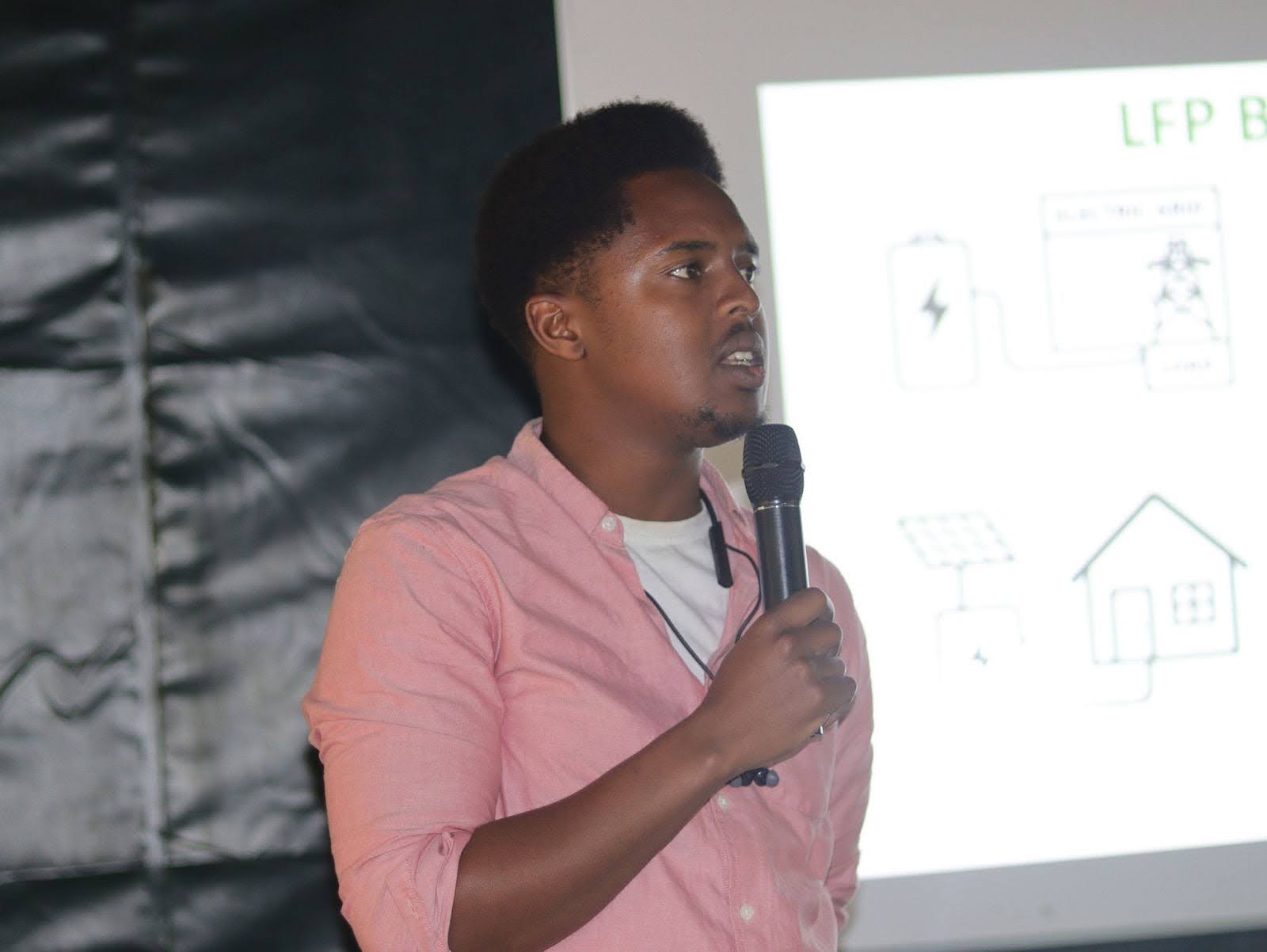 The last morning session looked toward a sustainable energy future with Yuri Njathi
presenting a fascinating bridge between neural networks and physics, utilizing Gompertz-Informed
Neural Networks to monitor the life of Lithium Iron Phosphate (LFP) batteries. This work is
essential for ensuring the longevity of renewable energy storage systems and achieving affordable energy
security.
The last morning session looked toward a sustainable energy future with Yuri Njathi
presenting a fascinating bridge between neural networks and physics, utilizing Gompertz-Informed
Neural Networks to monitor the life of Lithium Iron Phosphate (LFP) batteries. This work is
essential for ensuring the longevity of renewable energy storage systems and achieving affordable energy
security.
After a short break, the dialogue shifted toward building resilience against shifting weather patterns.
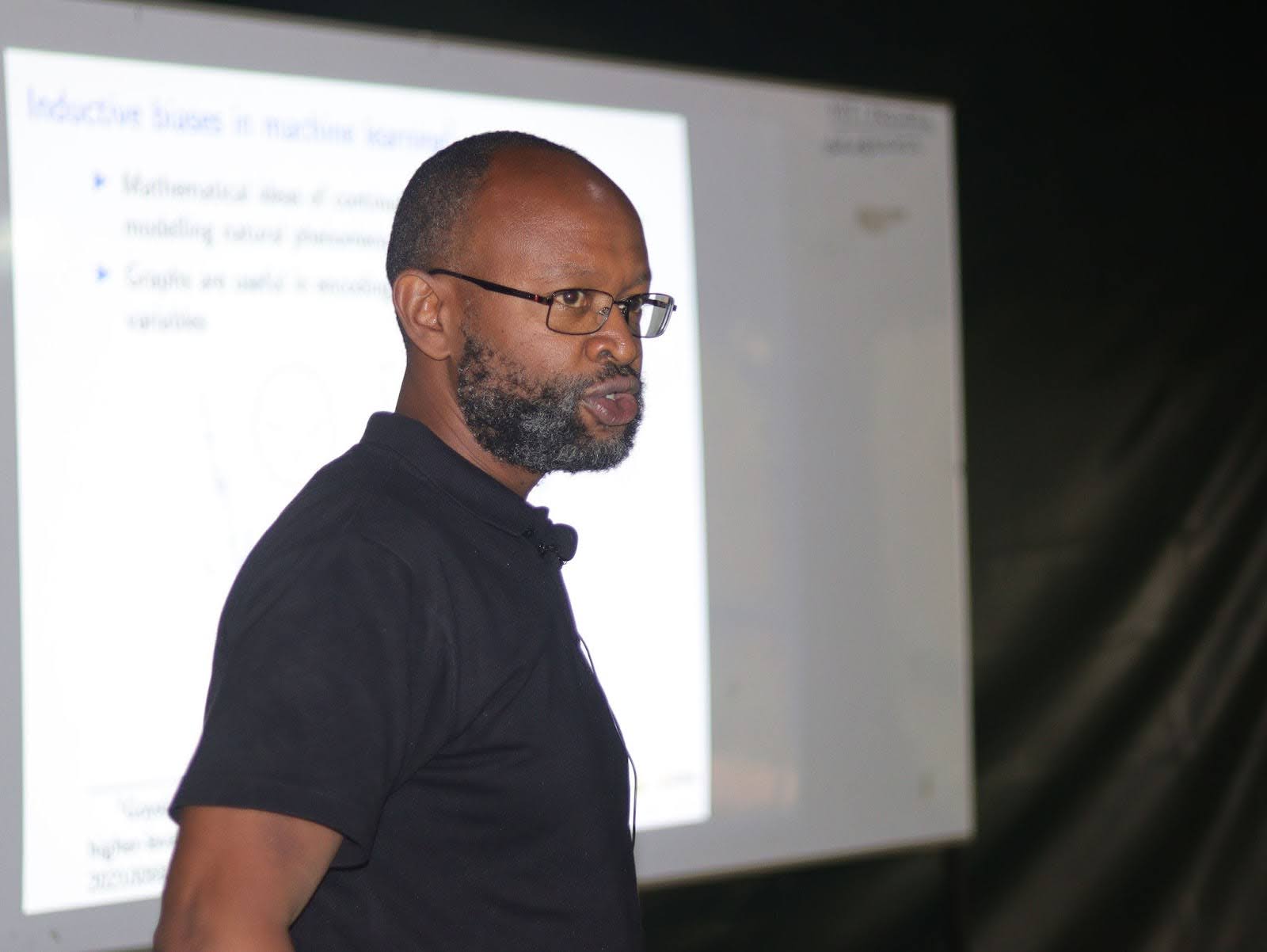
Prof. Ciira Maina, the Director of DSAIL, shared fundamental insights into using Gaussian processes and signal processing to interpret complex weather data.
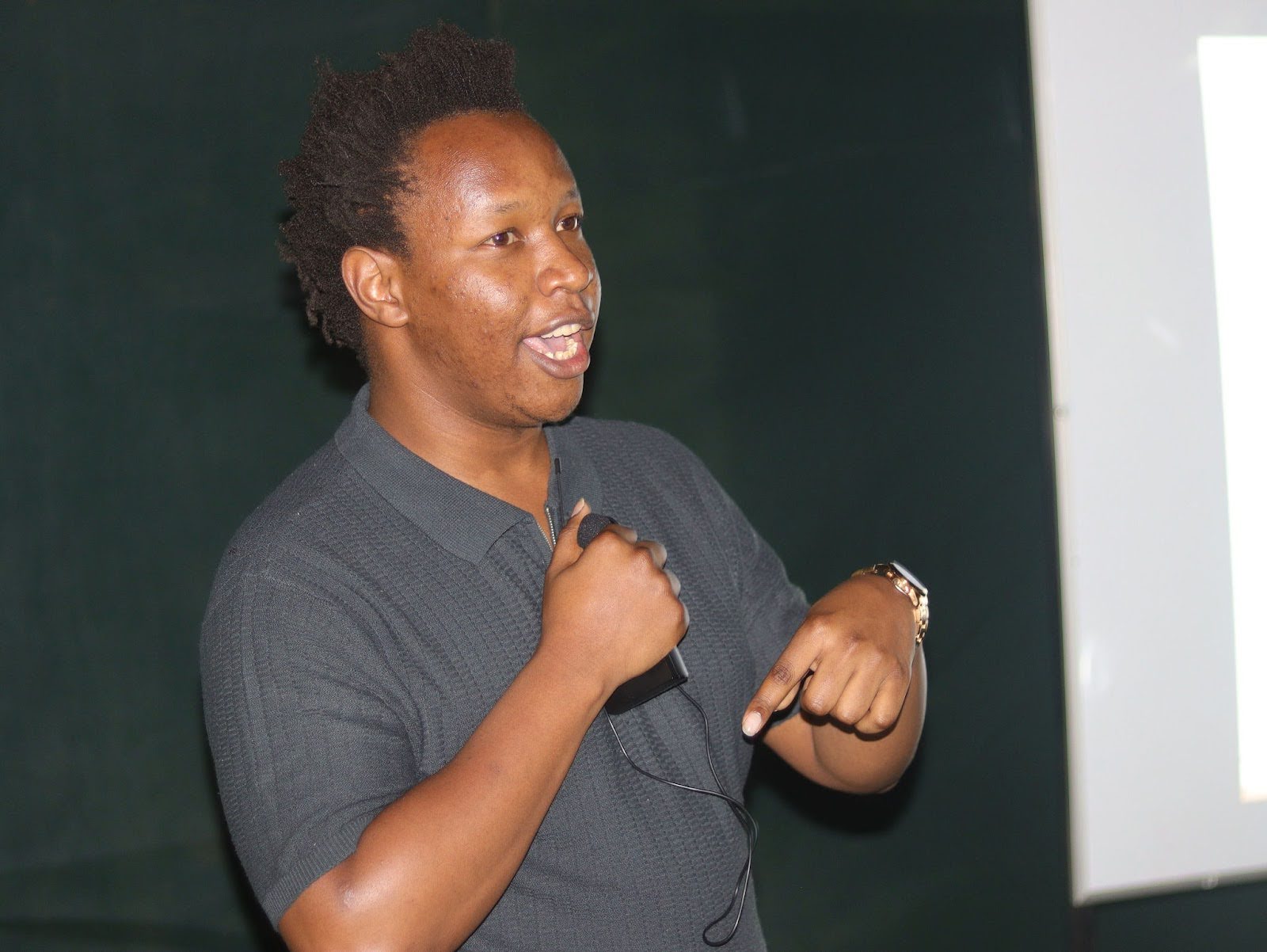
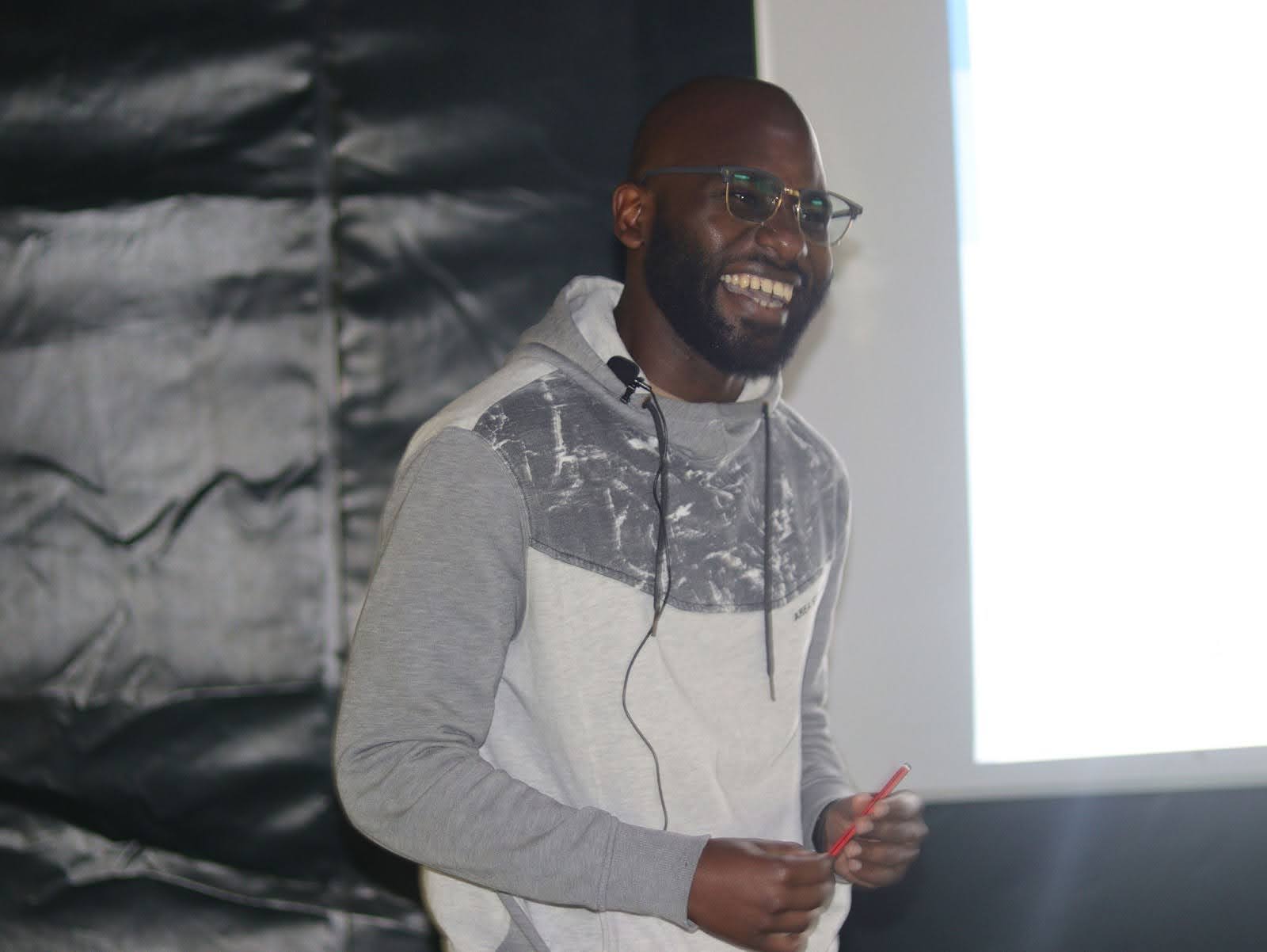
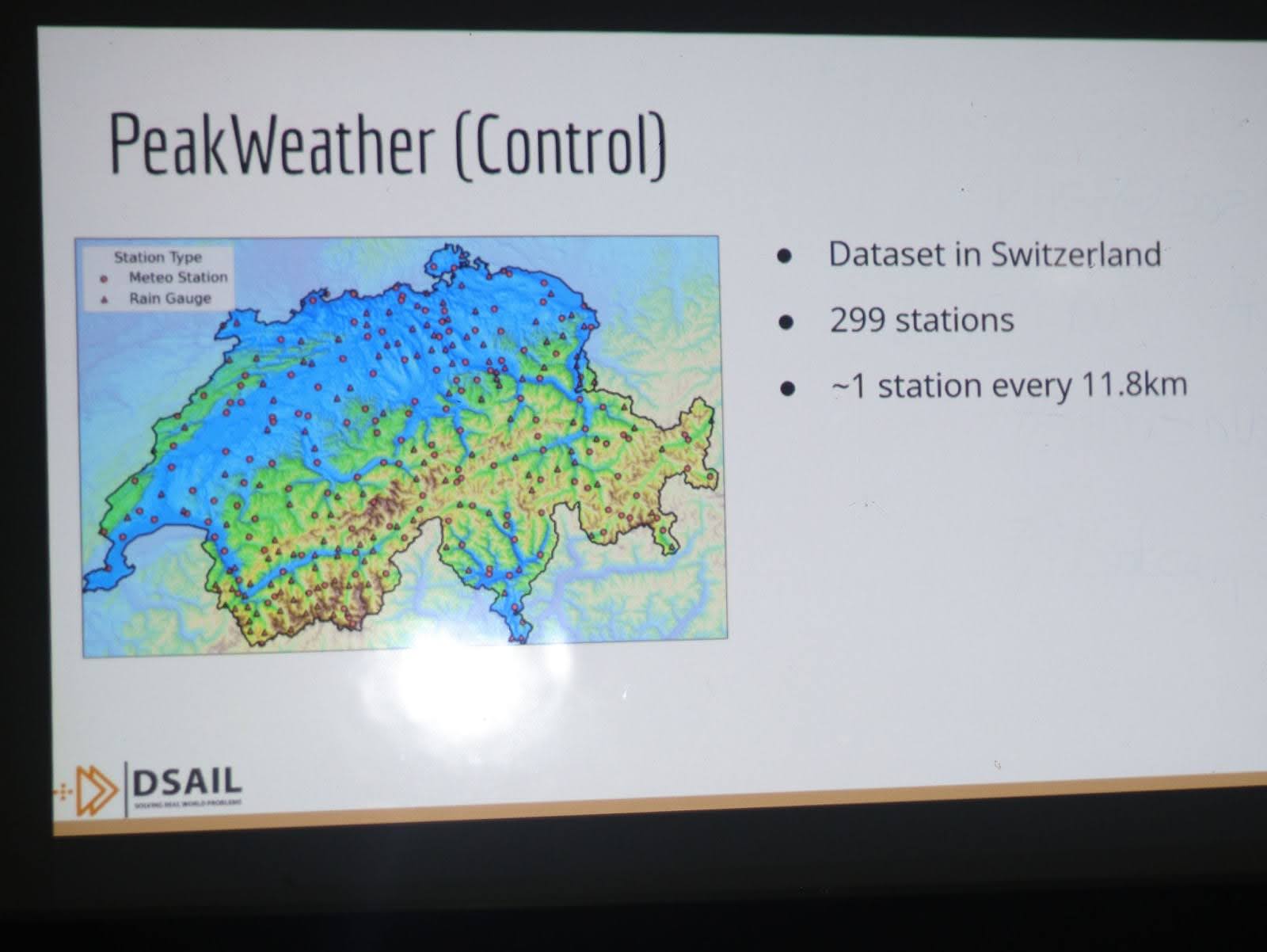
This high-level theory was grounded by Austin Kaburia and Teofilo Ligawa, who tackled the "data divide" in climate science. Their work on spatial interpolation is crucial for validating satellite precipitation data over Kenya, providing local farmers and policy-makers with more reliable forecasts.
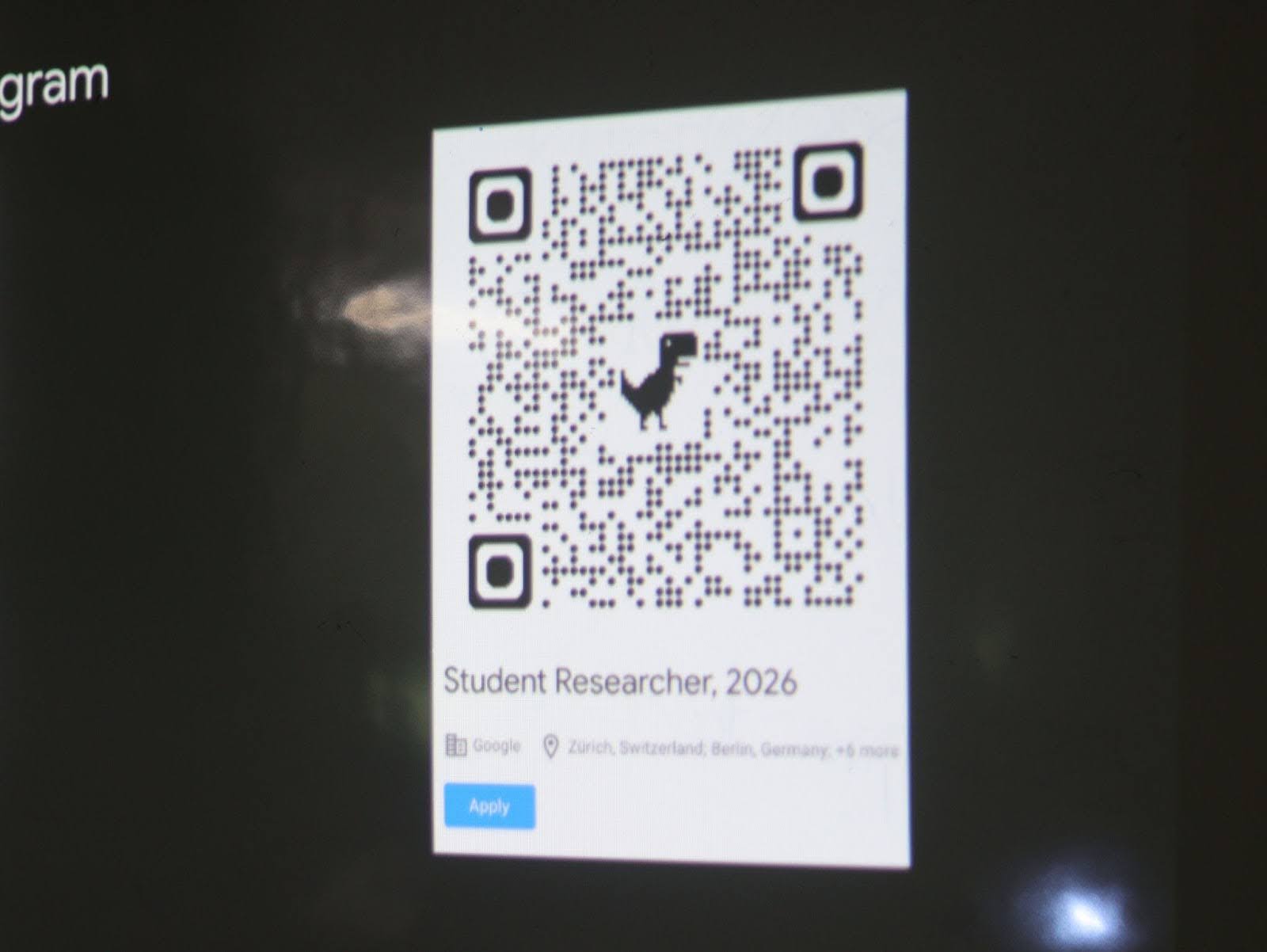
The session continued with a keynote address from Dr. Sekou L. Remy, Senior Research Scientist at Google Research Africa. Dr. Sekou enlightened us about many opportunities there are for students, developers and researchers in the AI field such as the Student Researcher program at Google Research, the Google Gemini Pro free for students for an year package that was made available to several African countries including Kenya, the Google Weather application and some insights into the Coral NPU architecture. Moreover, he showed simple tests that investigate the importance of word choice in Generative AI systems. Dr. Sekou was accompanied by then student researchers Antony Gitau and Ussen Kimanuka who spoke of their experiences providing encouragement on different career choices.
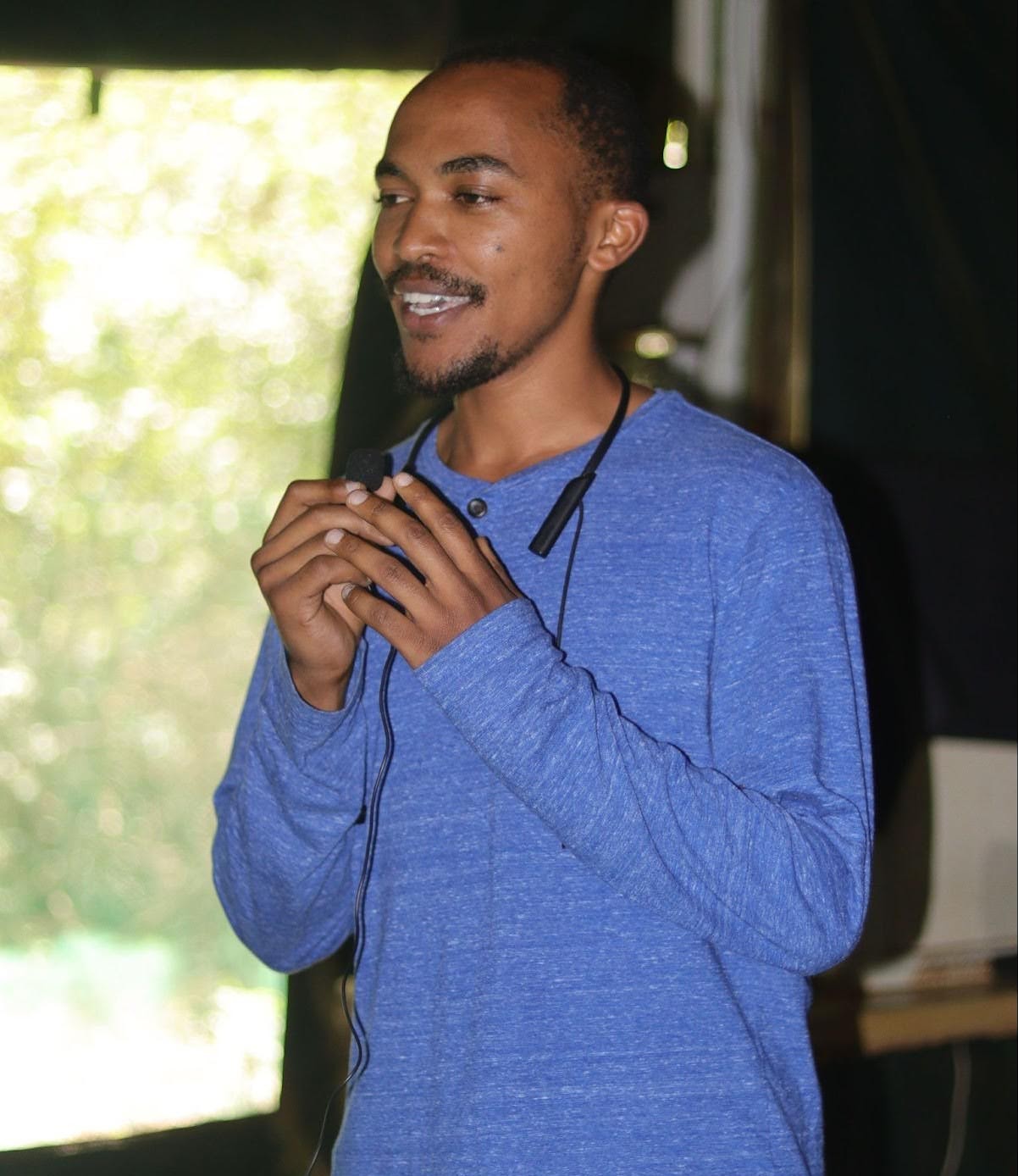
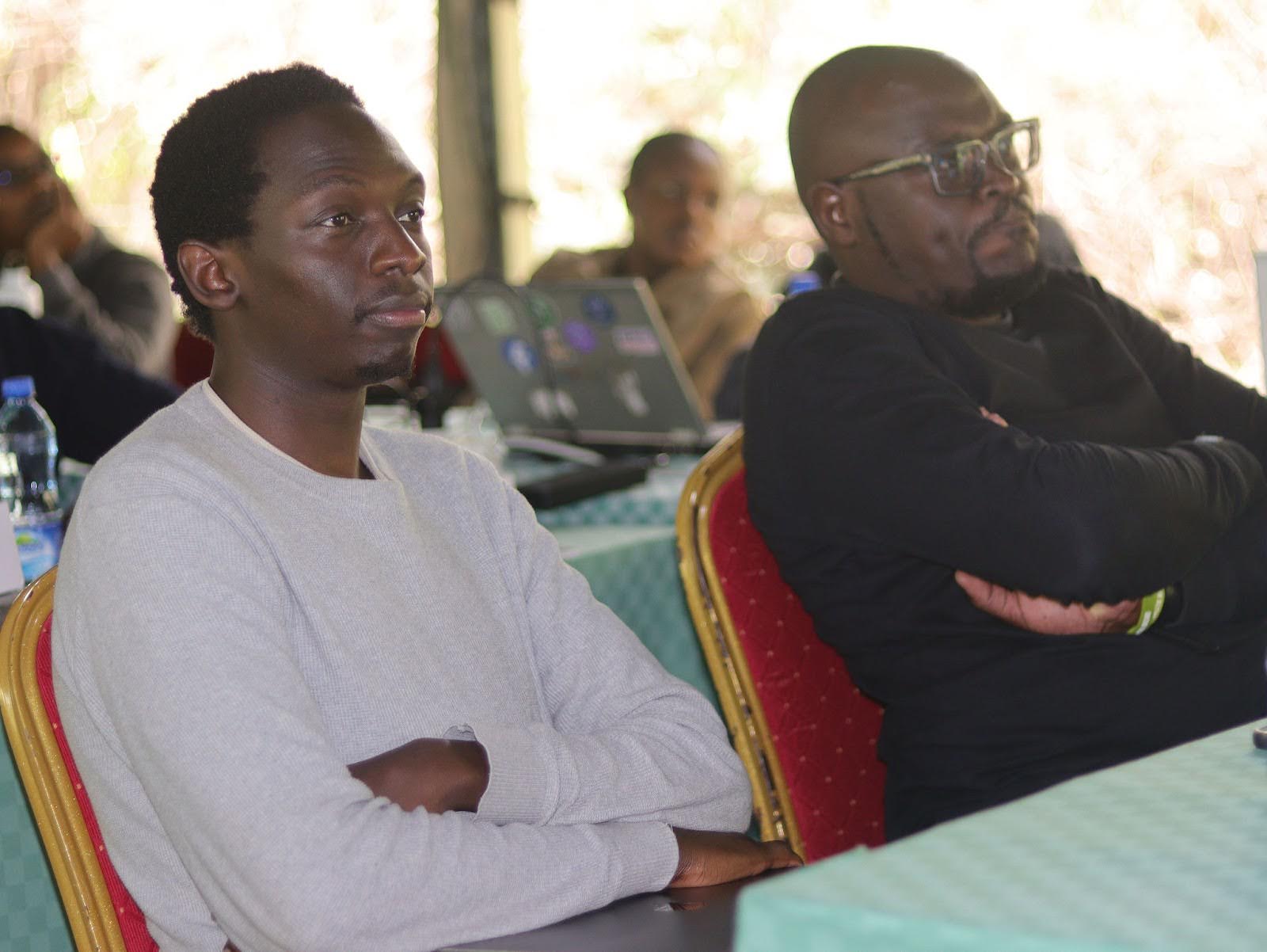
The afternoon session kicked off with Clinton Oduor, Head of Data Science at Amini AI giving his presentation on the ground breaking work done at Amini AI, purpose-built data infrastructure for the global south where Amini AI are providing industries and countries with data & compute infrastructure. It was a fascinating presentation blending deep tech with local context for shared prosperity across the Global South.
This was followed by a display of practical engineering by Jason Kabi, who showcased a system for Electric Fence Fault Localization. By using a network of voltage sensor nodes, the technology can pinpoint exactly where a conservancy fence has failed, drastically reducing the time needed for repairs and enhancing security for both wildlife and local communities.
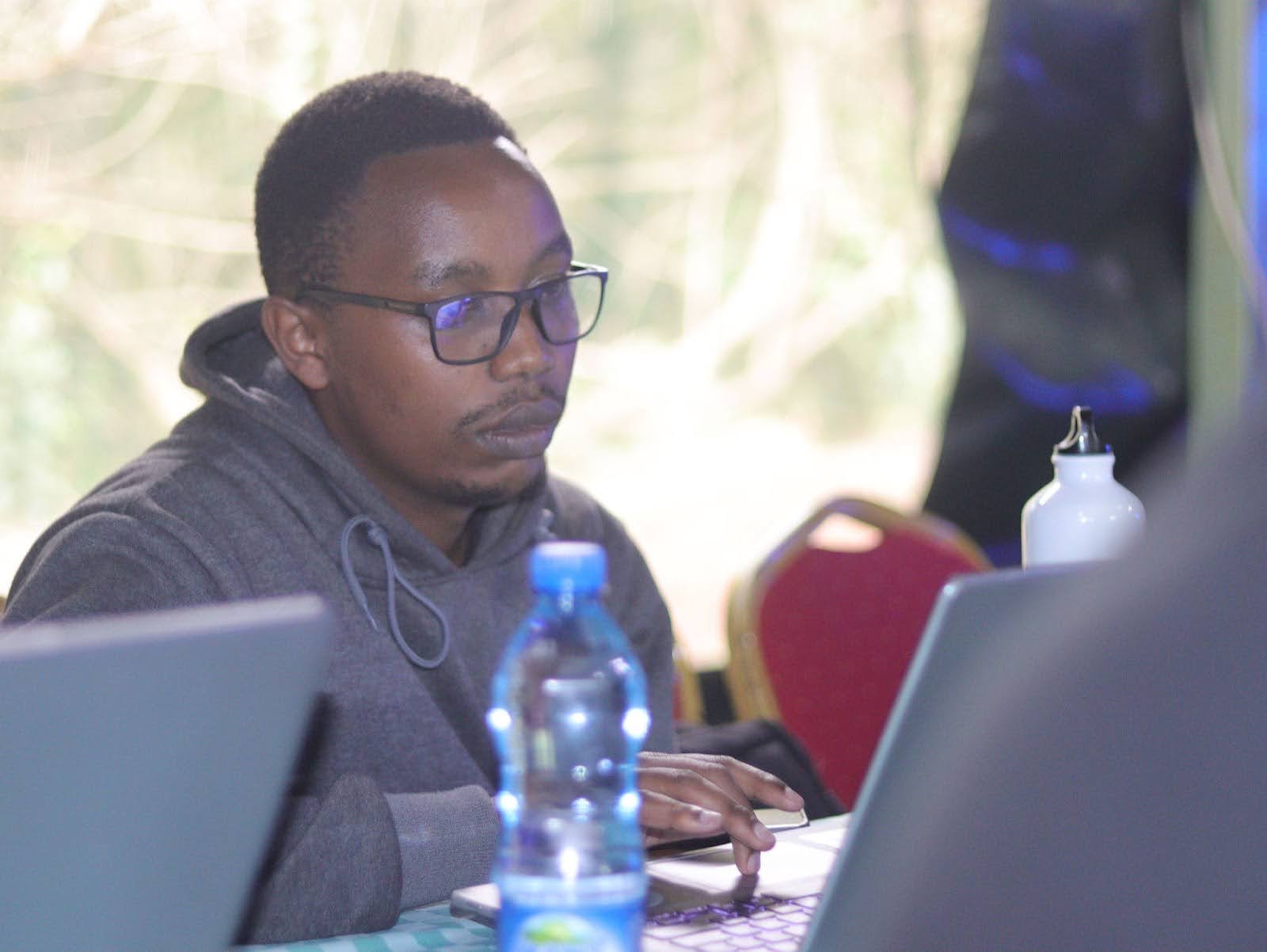 The sessions continued with a deep dive into advanced signal processing and data cleaning,
led by Samuel Mbugua, who presented a scalable approach to Gaussian Process
(GP)-based anomaly detection for sensor networks. His research ensures that the massive amounts of
environmental data being collected are stripped of noise and errors before analysis.
The sessions continued with a deep dive into advanced signal processing and data cleaning,
led by Samuel Mbugua, who presented a scalable approach to Gaussian Process
(GP)-based anomaly detection for sensor networks. His research ensures that the massive amounts of
environmental data being collected are stripped of noise and errors before analysis.
This technical rigor was echoed by Paul Bett, whose presentation, "Tiny AI, Giant Impact," explored the frontier of edge computing, where complex models are optimized to run on low-power hardware in the field.
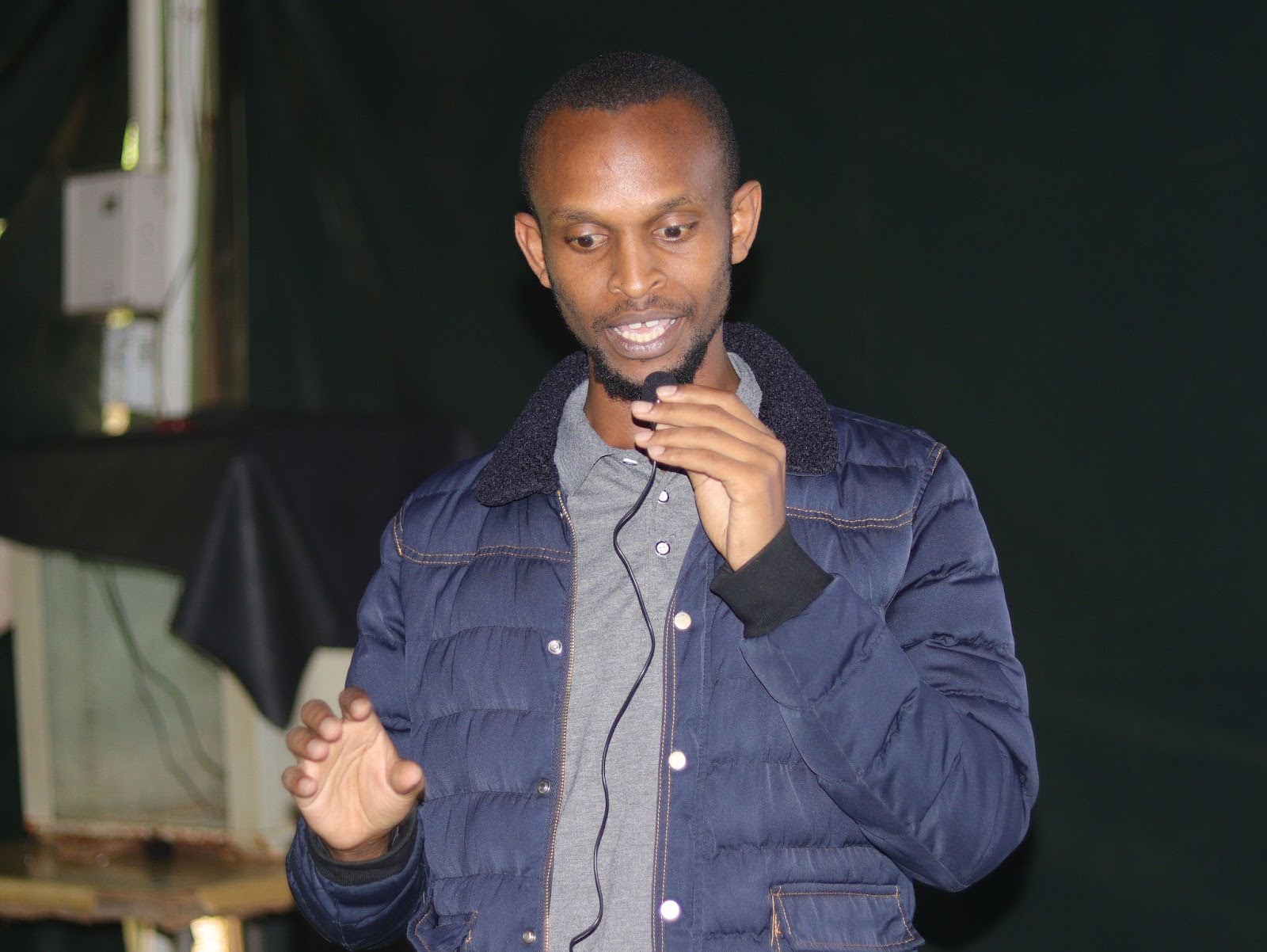
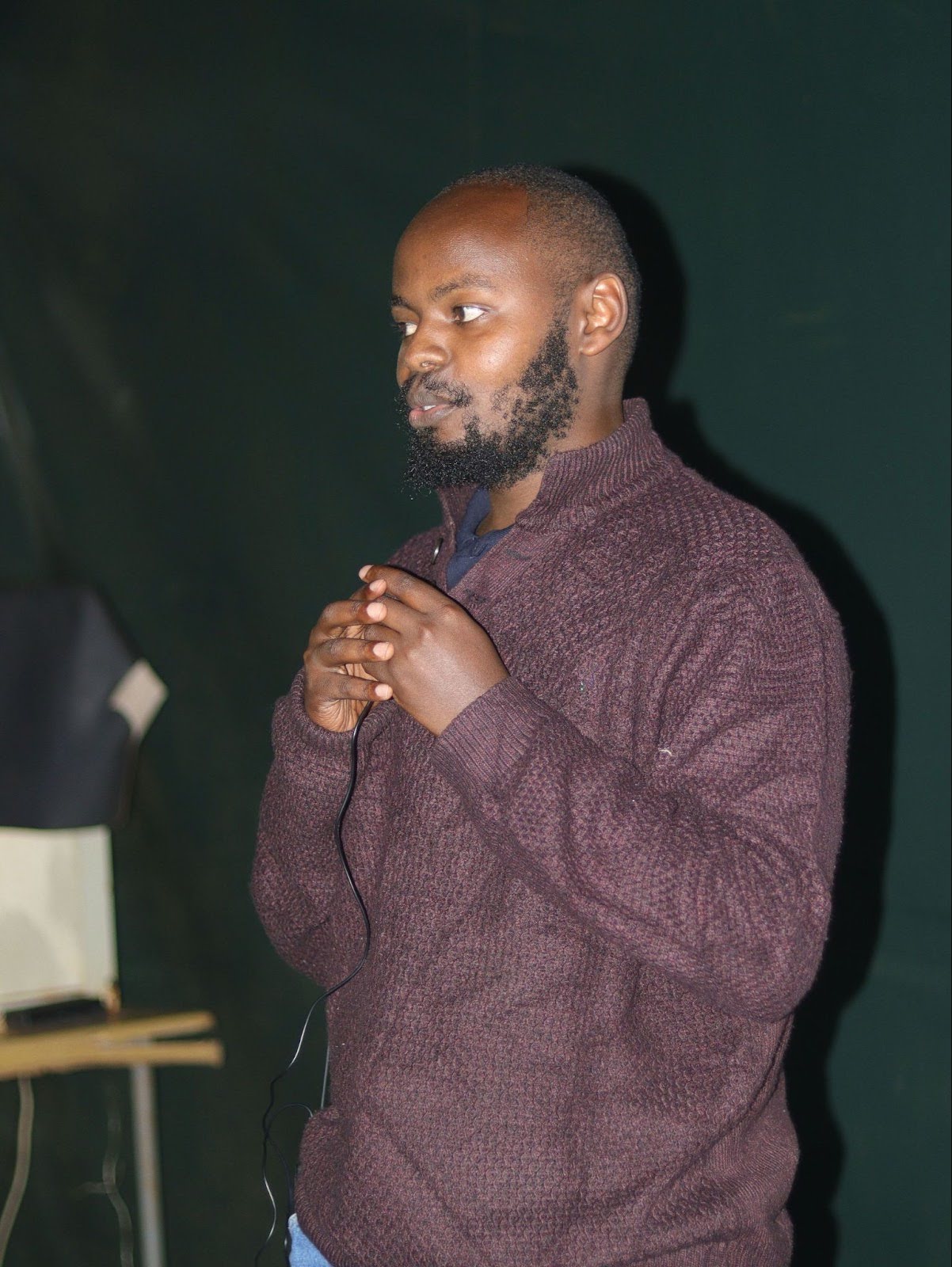 The program further bridged the gap between raw data and Decision Intelligence, particularly
in the context of biological and environmental monitoring. Gabriel Kiarie from
Natural State discussed the development of species-specific thresholds for
BirdNET outputs, a move that significantly refines the accuracy of avian bioacoustic
tracking.
The program further bridged the gap between raw data and Decision Intelligence, particularly
in the context of biological and environmental monitoring. Gabriel Kiarie from
Natural State discussed the development of species-specific thresholds for
BirdNET outputs, a move that significantly refines the accuracy of avian bioacoustic
tracking.
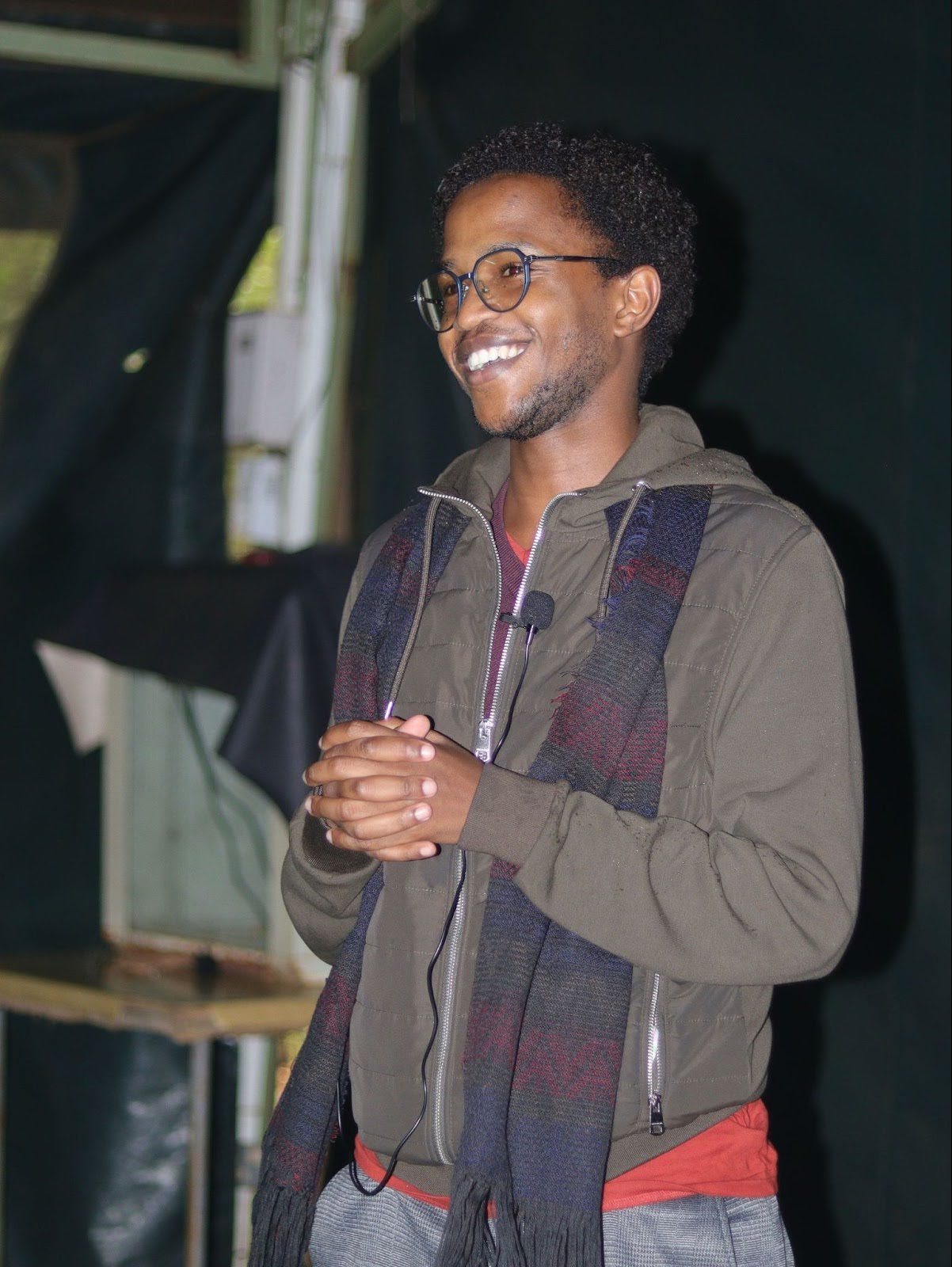 This was followed by Stephen Githinji from the Institute of Design and Innovation
(IDI Africa), who expanded on the concept of Decision Intelligence, explaining how
AI can be utilized to inform complex policy and management decisions regarding the environment in Kenya.
This was followed by Stephen Githinji from the Institute of Design and Innovation
(IDI Africa), who expanded on the concept of Decision Intelligence, explaining how
AI can be utilized to inform complex policy and management decisions regarding the environment in Kenya.
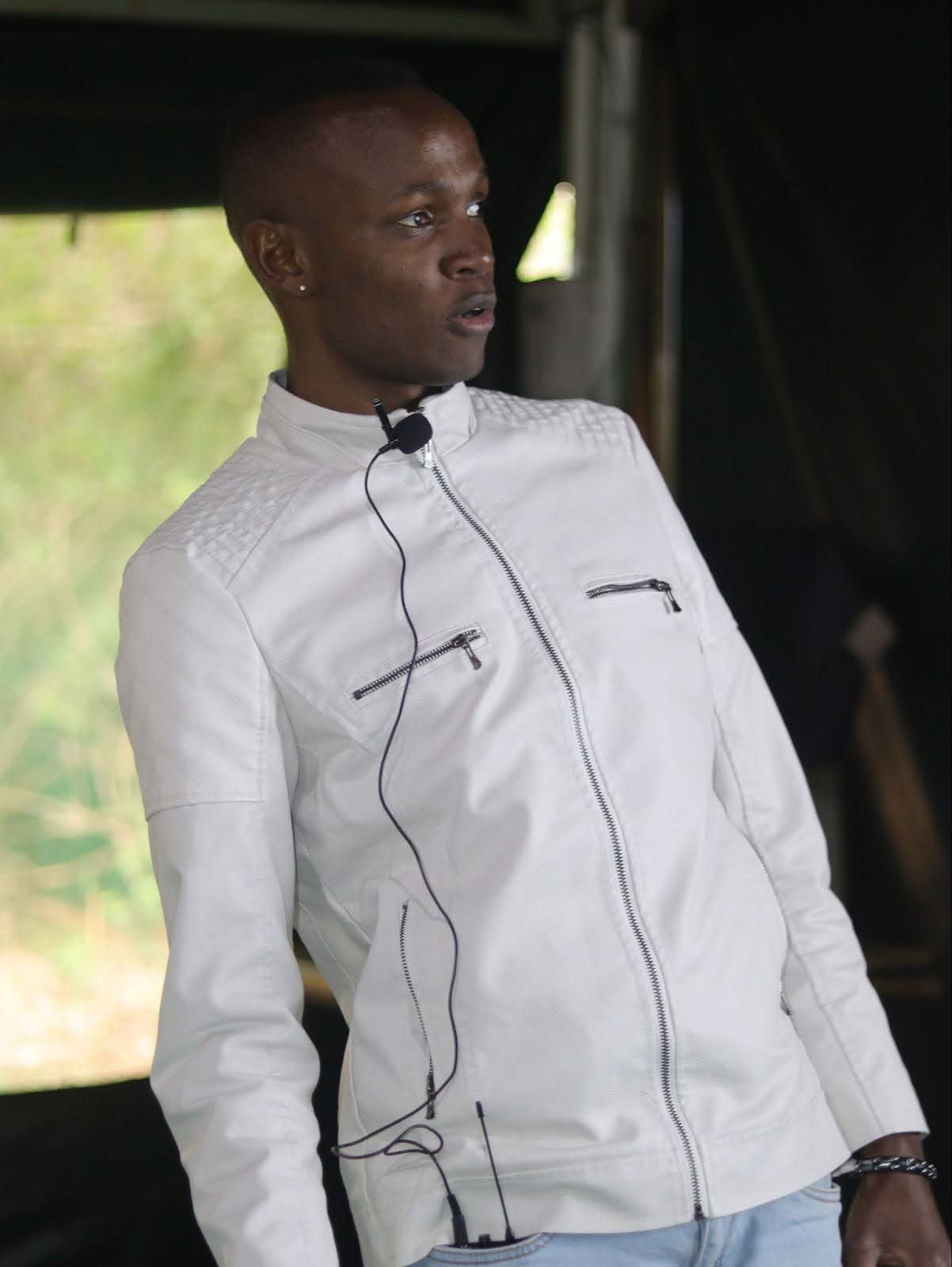 The event also showcased the physical manifestation of AI through robotics and automated farming
systems. David Warutumo introduced a Multiform Robot designed specifically for
Plant Disease Detection, offering a glimpse into a future where crop health is monitored by
autonomous machines.
The event also showcased the physical manifestation of AI through robotics and automated farming
systems. David Warutumo introduced a Multiform Robot designed specifically for
Plant Disease Detection, offering a glimpse into a future where crop health is monitored by
autonomous machines.
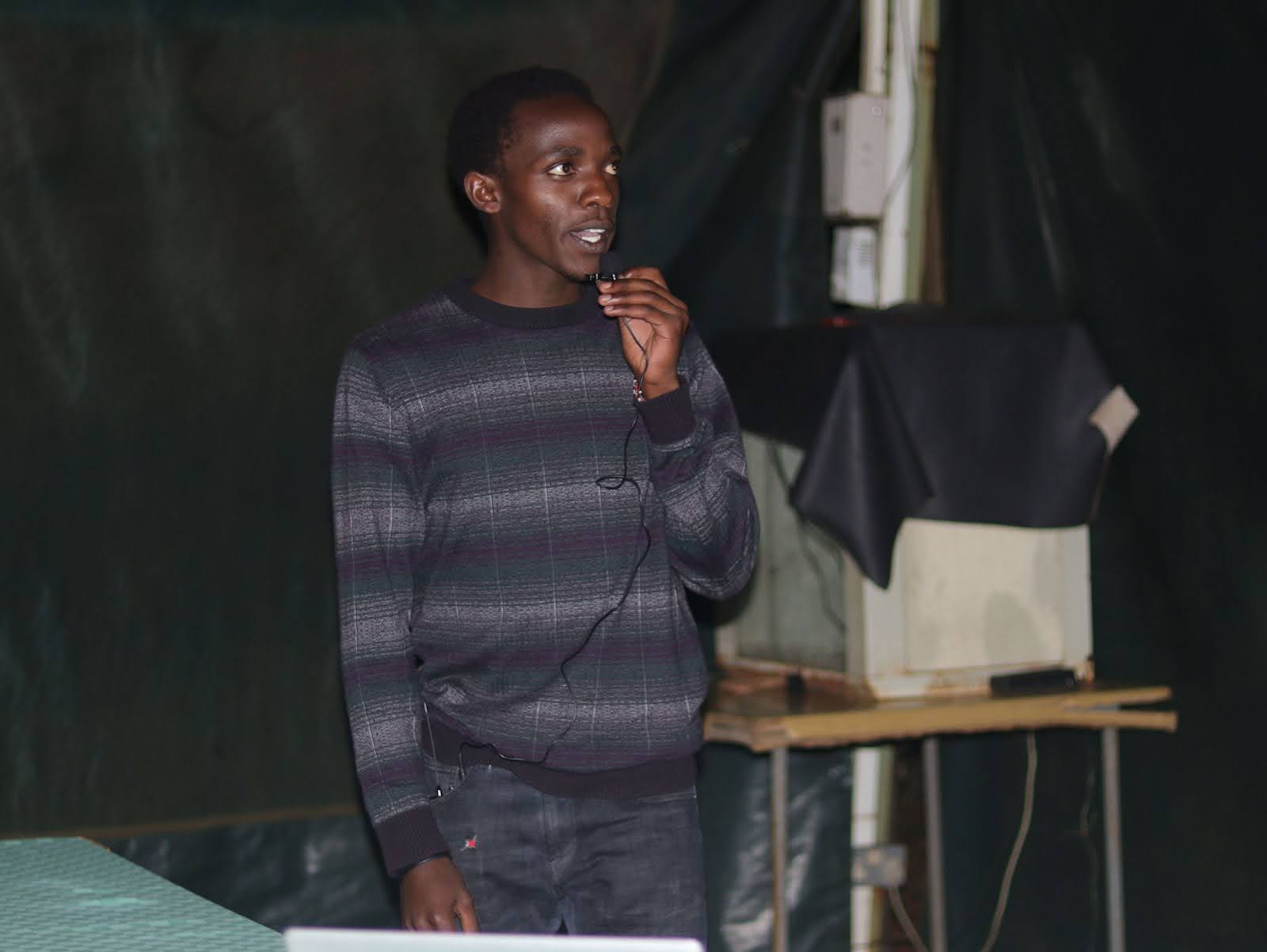 Moving from the open field to controlled environments, Levis Chiri presented an
AI-based monitoring and automation system for greenhouse farming, demonstrating how
data-driven insights can optimize yields and resource usage.
Moving from the open field to controlled environments, Levis Chiri presented an
AI-based monitoring and automation system for greenhouse farming, demonstrating how
data-driven insights can optimize yields and resource usage.
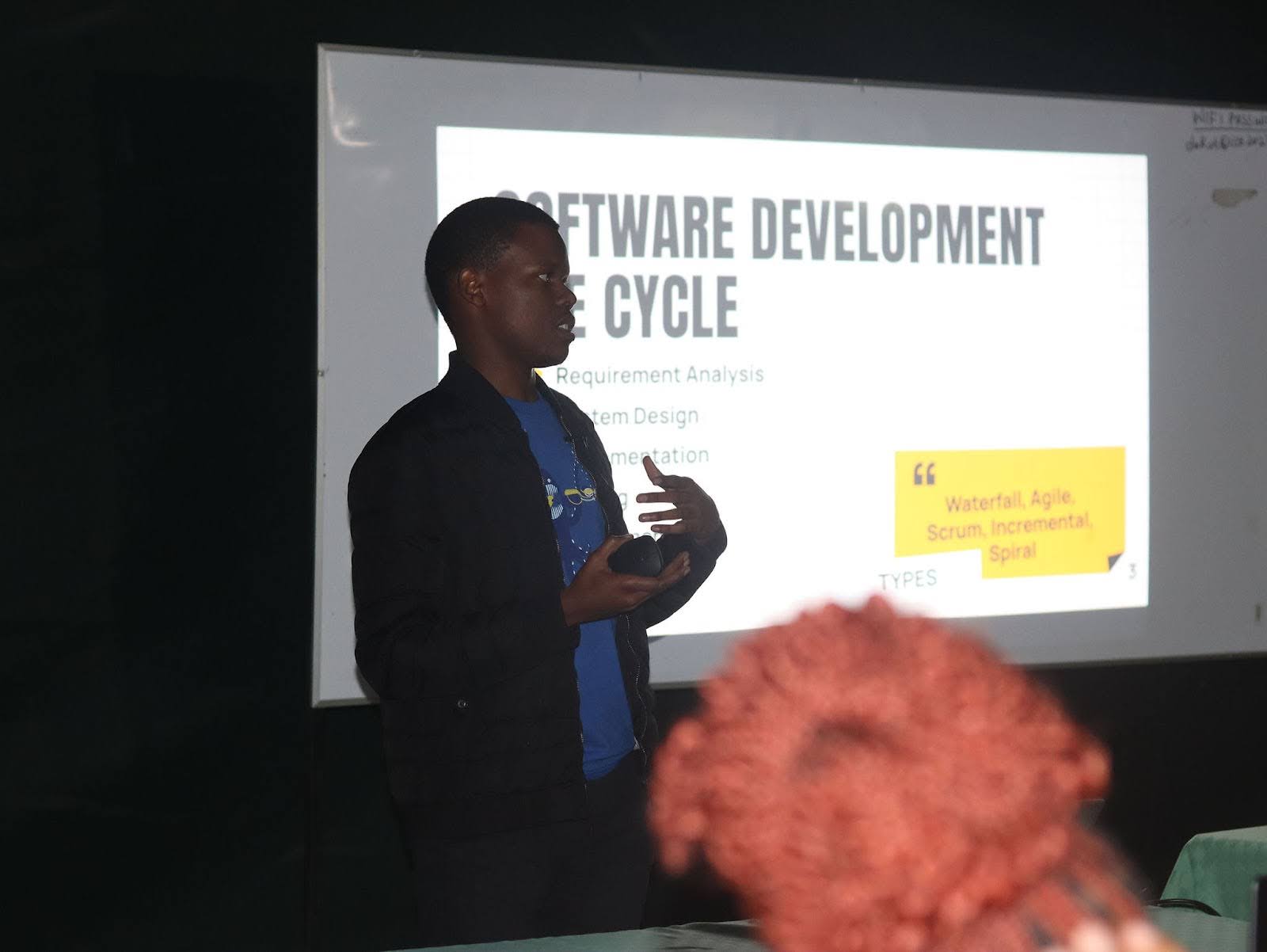 Braxton Mandara provided a high-level overview of how AI is fundamentally redefining
the software development lifecycle. His talk on the evolution of design, development, and
deployment served as a fitting end to the technical sessions, highlighting that the very way we
build technology is changing alongside the problems we are solving.
Braxton Mandara provided a high-level overview of how AI is fundamentally redefining
the software development lifecycle. His talk on the evolution of design, development, and
deployment served as a fitting end to the technical sessions, highlighting that the very way we
build technology is changing alongside the problems we are solving.
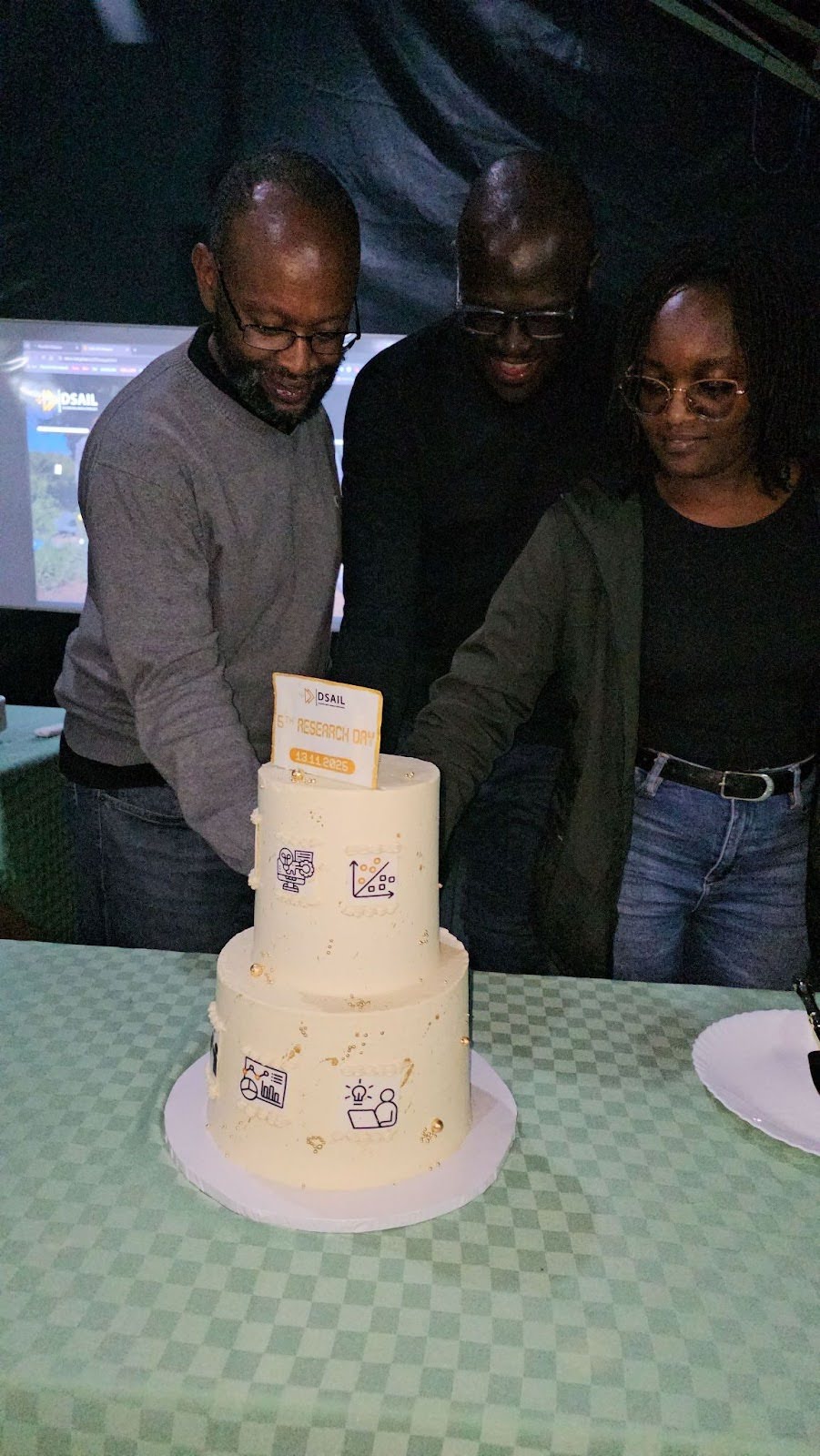
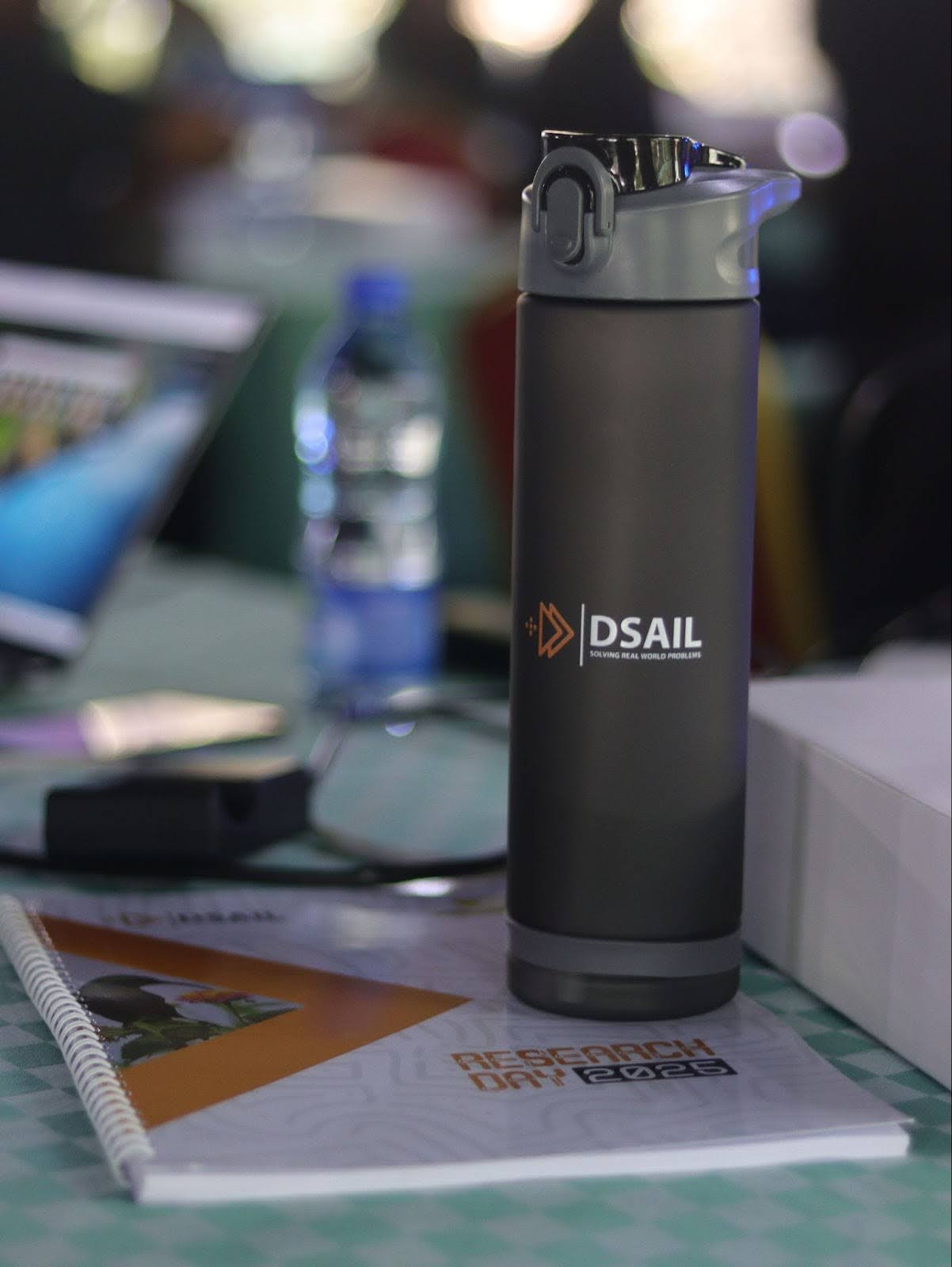
The first day officially closed with a celebratory cake-cutting ceremony, acknowledging the collective achievements of the lab and its partners, including ARM, Google, the IDRC, the Lacuna Fund and the UK International Development department .
The Wildlife Excursion
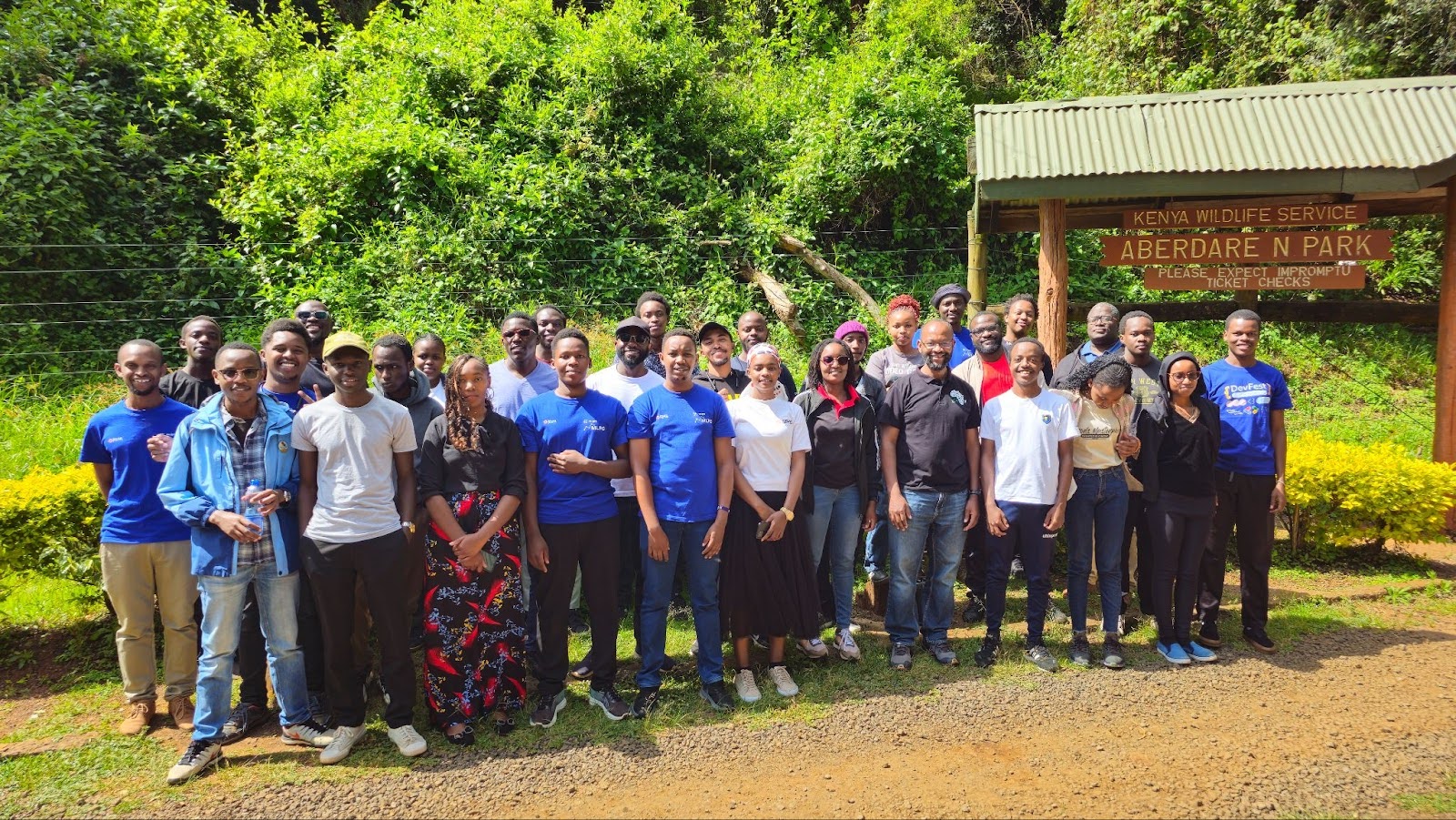
To complement our academic pursuits, we transited from the lecture hall to the wilderness on November 15th, 2025 for an immersive Game Drive in Aberdare National Park. Beyond the excitement of witnessing diverse wildlife in their natural habitat, this excursion served a dual purpose:
- Experiential Learning:Providing a firsthand look at ecological systems that are often only studied in theory.
- Team Building:Strengthening social bonds and "team spirit" through shared out-of-office experiences.
- Cognitive Refresh:Breaking the monotony of the research environment to enhance long-term motivation and interest in our fields of study.
By combining the analytical focus of Research Day with the sensory-based learning of a game drive, we aimed to cultivate well-rounded researchers who are as connected to their peers and the environment as they are to their data.
Closing Remarks
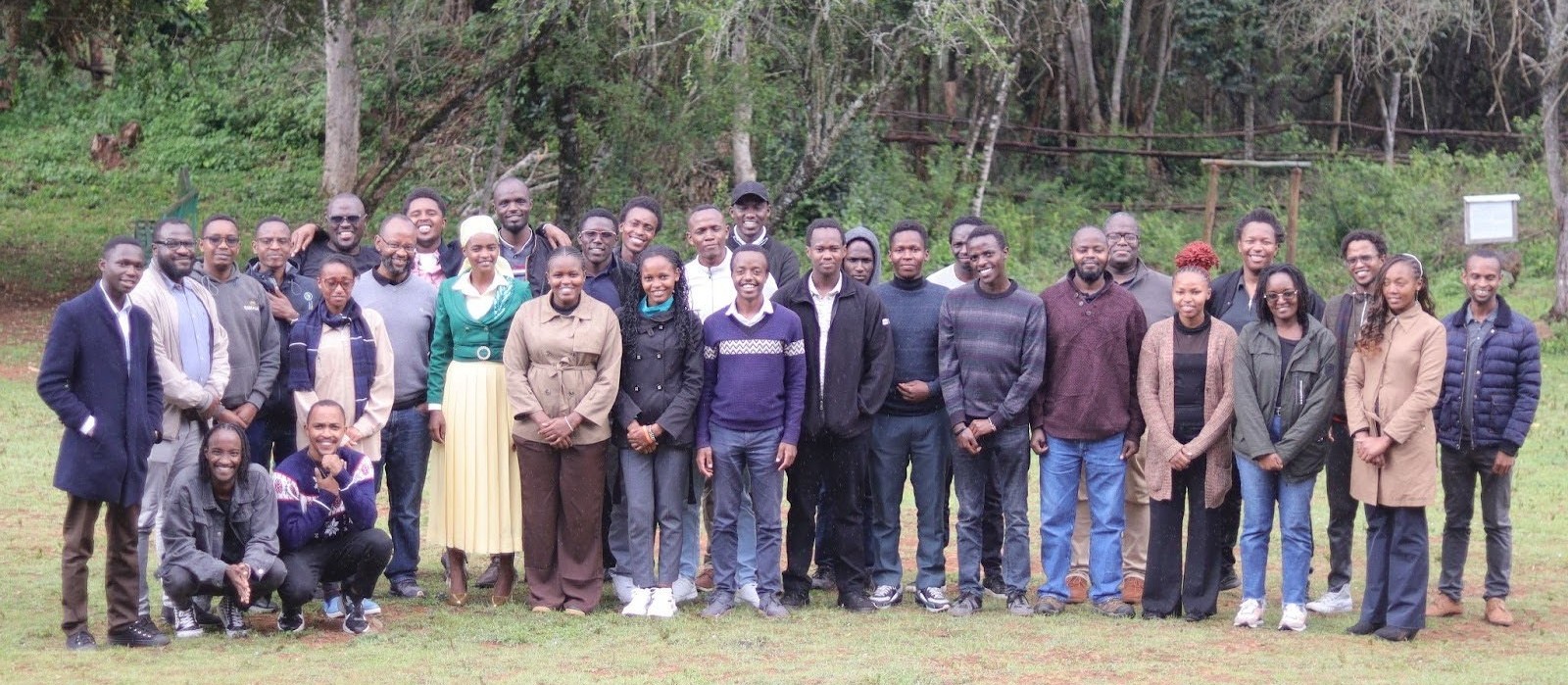
As the curtains fell on Research Day 2025, the atmosphere at the DeKUT Conservancy was one of shared achievement and renewed purpose. Following an afternoon of team-building activities designed to strengthen the collaborative ties within the lab, the formal proceedings concluded with heartfelt closing statements from the leadership team.
In his final remarks, Prof. Ciira Maina expressed his profound gratitude to the researchers, partners, and participants who made the event a success. He reflected on the journey of the lab, noting that the diversity of the presentations demonstrates the immense potential of AI when applied to local challenges. He emphasized that the problems addressed during the sessions are not just academic exercises but are critical missions that require the persistence and ingenuity displayed by the team. "The strength of DSAIL lies in our collective commitment to excellence and our courage to tackle problems that others might overlook," he remarked, thanking the participants for their cooperation and intellectual rigour throughout the two-day event.
The organizers, Leonard Sanya, Yuri Njathi and Prof. Ciira Maina would like to thank the attendees for their cooperation, time and constructive questions. Your presence made the two days successful and smooth across both the technical sessions, the field activities at the DeKUT Conservancy and the excursion.
See you next time!